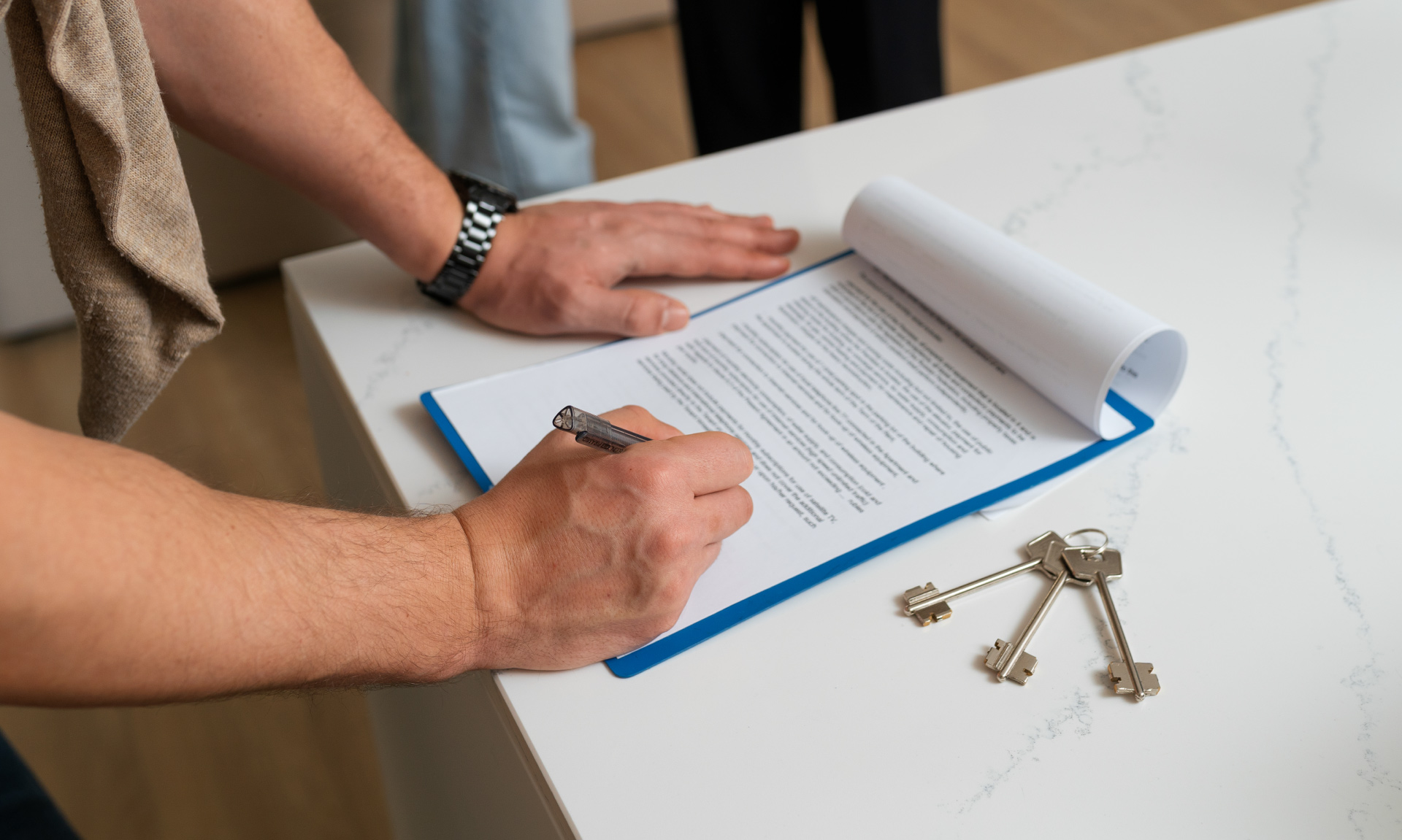
Dubai Property Handover Checklist for New Homeowners


The handover email has arrived. After months of construction updates and payment milestones, you can finally see the home you bought. Before you plan the move or start looking for a tenant, there are a few things to check.
For a newly completed apartment or villa in Dubai, handover brings together the condition of the property, outstanding payments, ownership documents, and the practical arrangements for using it. Taking time at this stage helps you record problems clearly and avoid unnecessary delays later.
This Dubai property handover checklist explains what to prepare, what to inspect, and what to confirm before your new home is ready for occupation.
1. Review the Handover Notice and Your Purchase Agreement
Start with the developer’s official notice and your sale and purchase agreement. Confirm the unit number, appointment details, documents required, and any dates for payments or completing the handover process.
Ask which steps cover the inspection, payment clearance, key collection, and ownership registration. These may be separate appointments. If you cannot attend, check what authorisation the developer requires for a representative or inspector.
You can also review published project details through Dubai Land Department’s Project Status Enquiry. The service provides project completion information. Your own unit inspection is still needed to assess its condition.
If the notice or a payment request differs from your understanding of the agreement, ask for clarification in writing before proceeding.
2. Request an Itemised Statement of Handover Costs
Before making the final payment, request an up to date statement showing amounts already paid, the remaining balance, and each additional charge being requested. Match the statement against your payment records and agreement.
Depending on the property and contract, your budget may need to cover a final instalment, registration related costs, service charges, utility deposits, and connection fees. Ask which payments go to the developer, building manager, bank, or utility provider.
If you are using a mortgage, confirm the lender’s outstanding requirements and disbursement arrangements before booking movers or promising a tenant an occupancy date. Keep payment receipts together with the statement.
3. Inspect the Property With a Written SnaggingChecklist
Snagging is the process of recording defects, incomplete work, or items that do not match the agreed specification. A viewing gives you an impression of the home. An inspection needs time to check individual rooms and systems.
Ask whether water, electricity, and air conditioning will be available for testing. If something cannot be tested, record that limitation and arrange a further check. An independent inspector may be useful, especially if you are overseas or unfamiliar with building systems.
Walls floors and finishes
Look for cracks, damaged tiles, uneven finishes, stains,loose skirting, and gaps around fittings. Check doors, windows, cupboards,handles, and locks. Open and close them rather than relying on appearancealone.
Bathrooms and plumbing
Where the supply is active, run taps, check water pressure,flush toilets, and look for leaks under sinks. Check drainage and inspectsealant around showers and baths. Record damp patches or persistent odours forinvestigation.
Air conditioning and electrical fittings
Test air conditioning controls and note rooms that do notcool properly, unusual noise, or visible condensation. Check lights, switches,and accessible sockets through an appropriate inspection process. Leaveelectrical panels and technical testing to qualified professionals.
Kitchen appliances and outdoor areas
Check supplied appliances against the agreed specificationand test them where possible. Inspect worktops, cabinet alignment, balconydoors, drainage points, and visible external finishes. For a villa, include thegarden, boundary walls, and any outdoor equipment supplied.
4. Keep a Clear Record of Defects and Follow Up
Photograph each issue and identify its location. A note such as “water leaking beneath the kitchen sink when the tap runs” is easier to act on than “plumbing problem”. Keep the photographs, inspection report, and correspondence in one folder.
Submit the list through the developer’s designated channel and request acknowledgement. Ask which items will be addressed, the expected dates, and how you can arrange a further inspection. Check the completed work yourself or through your representative.
Before signing any handover or acceptance document, read what it confirms about the property’s condition and outstanding work. Ask how unresolved items will be recorded. If the wording or its effect is unclear, obtain advice on that document before signing.
5. Confirm Service Charges and BuildingArrangements
Service charges form part of the ongoing cost of ownership. Ask for the billing period, the applicable budget, the payment schedule, and the date from which charges are allocated to your unit. Clarify whether the figure supplied is an estimate or an approved amount.
Where available, compare the details with Dubai Land Department’s Service Charge Index. Select the relevant project and year, and ask the building manager to explain any difference between the published information and your invoice.
Confirm your parking allocation, access arrangements, waste disposal process, and maintenance contact. Ask which shared facilities are open and whether any work remains in common areas. These details affect everyday use and how accurately you can present the property to a tenant.
6. Arrange Utilities and Collect the HandoverDocuments
Receiving the keys does not necessarily mean every service is active. Confirm the DEWA premise number and arrange electricity and water activation. Check separately whether cooling, gas, or other services require their own accounts or approvals.
DEWA provides a Move In service for electricity and water activation. Owners apply through its digital channels. Review the current document requirements, deposit, and activation fees before submitting the request.
Request the documents available at your stage of handover, including the handover record, payment receipts, ownership or registration records, inspection correspondence, warranties, appliance manuals, and building rules. Confirm any remaining steps for issuance of the title deed rather than assuming key collection completes the registration process.
Count the keys, access cards, and parking remotes provided. Record meter readings and the date you take possession, and save the developer’s aftercare and emergency contact details.
7. Prepare for Moving In or Renting Out
If you will live in the property, book cleaning, internet installation, and furniture delivery around confirmed access and service activation. Ask building management about move in permits, lift bookings, delivery hours, and any deposits required.
If you intend to rent it out, complete essential repairs and cleaning before marketing it as ready for occupation. Check comparable rents in the same building or community, then allow for service charges, maintenance, vacancy, and management costs when estimating your income.
Only advertise facilities, furnishings, and an availability date you can support. A clear property condition record and accurate listing make the transition from handover to tenancy easier to manage.
For a closer look at rental calculations, read Artha Realty’s guide to how net and gross ROI are calculated in Dubai real estate.
A Final Check Before You Close the Handover File
Make sure you have a clear payment record, a documented inspection, acknowledgement of outstanding defects, and an agreed route for following them up. Confirm the status of utilities, access, service charges, and ownership paperwork. These records will be useful when you move in, appoint a property manager, or welcome your first tenant.
Handover is a busy stage, but taking the appointment at a manageable pace gives you a better understanding of the property you are receiving.
Planning to move into your new property or put it on the rental market? Speak to Artha Realty about your next steps, from leasing to property management.
FAQs