.svg)


We build > opportunities with you
Turning aspirations into addresses
.png)


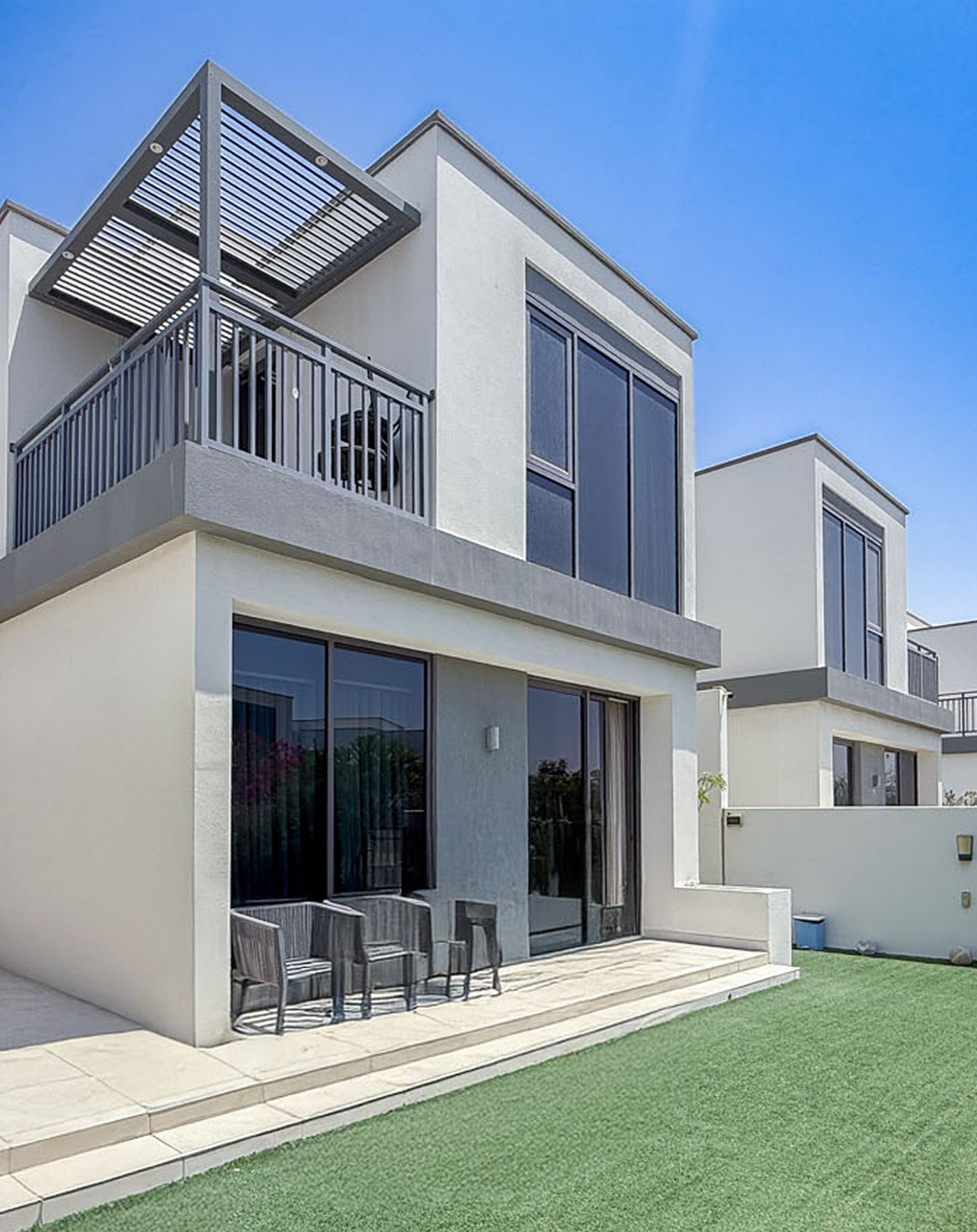
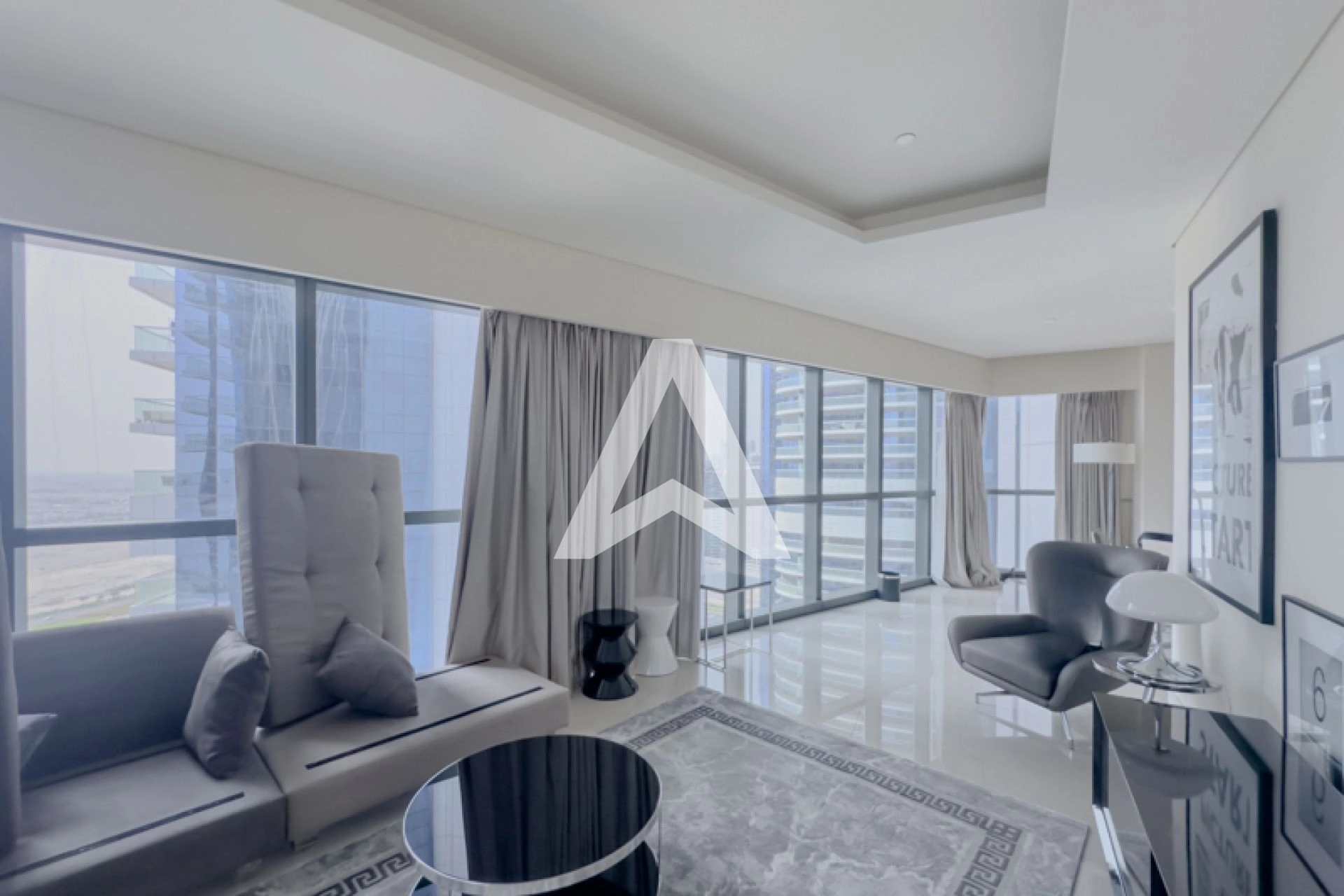
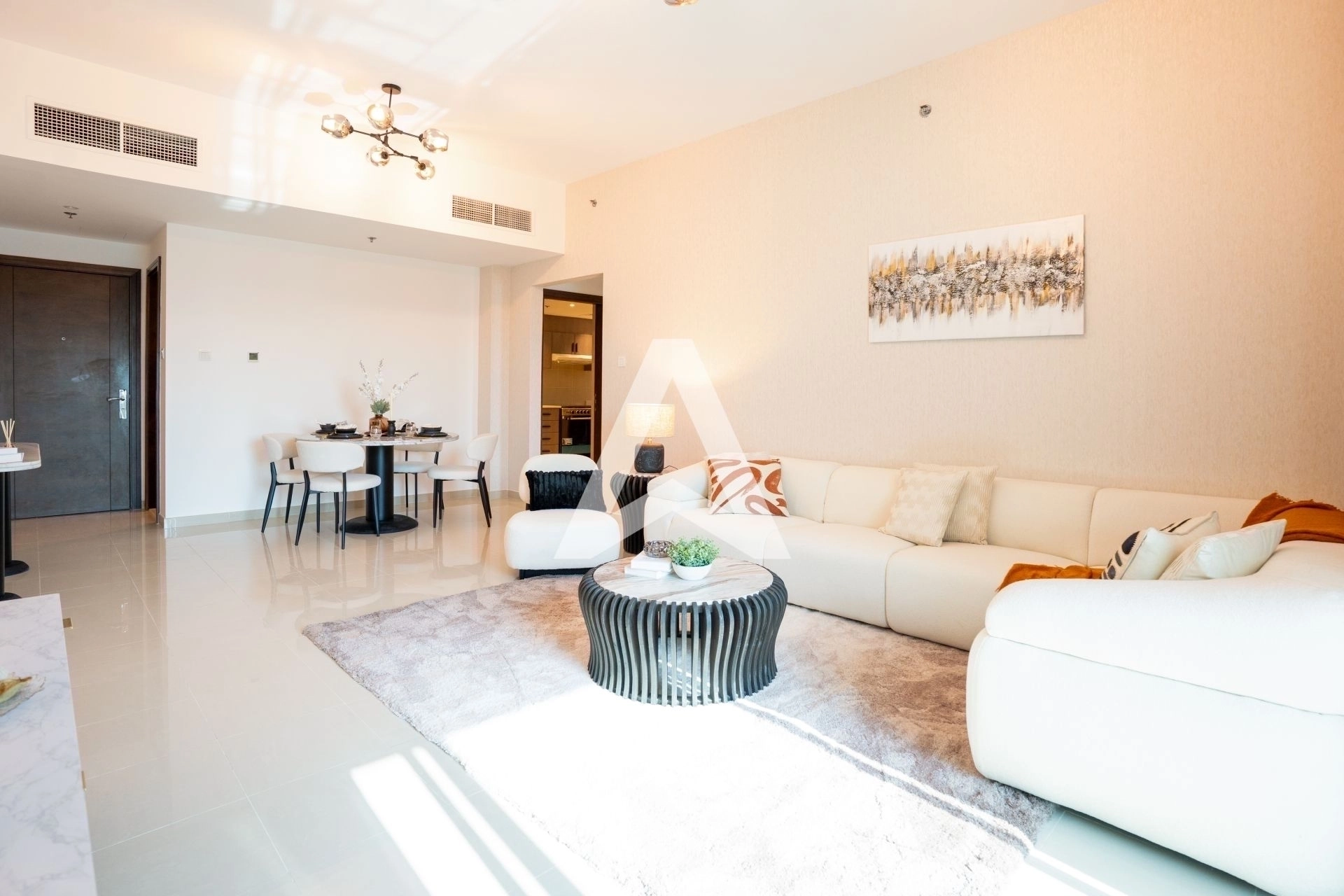
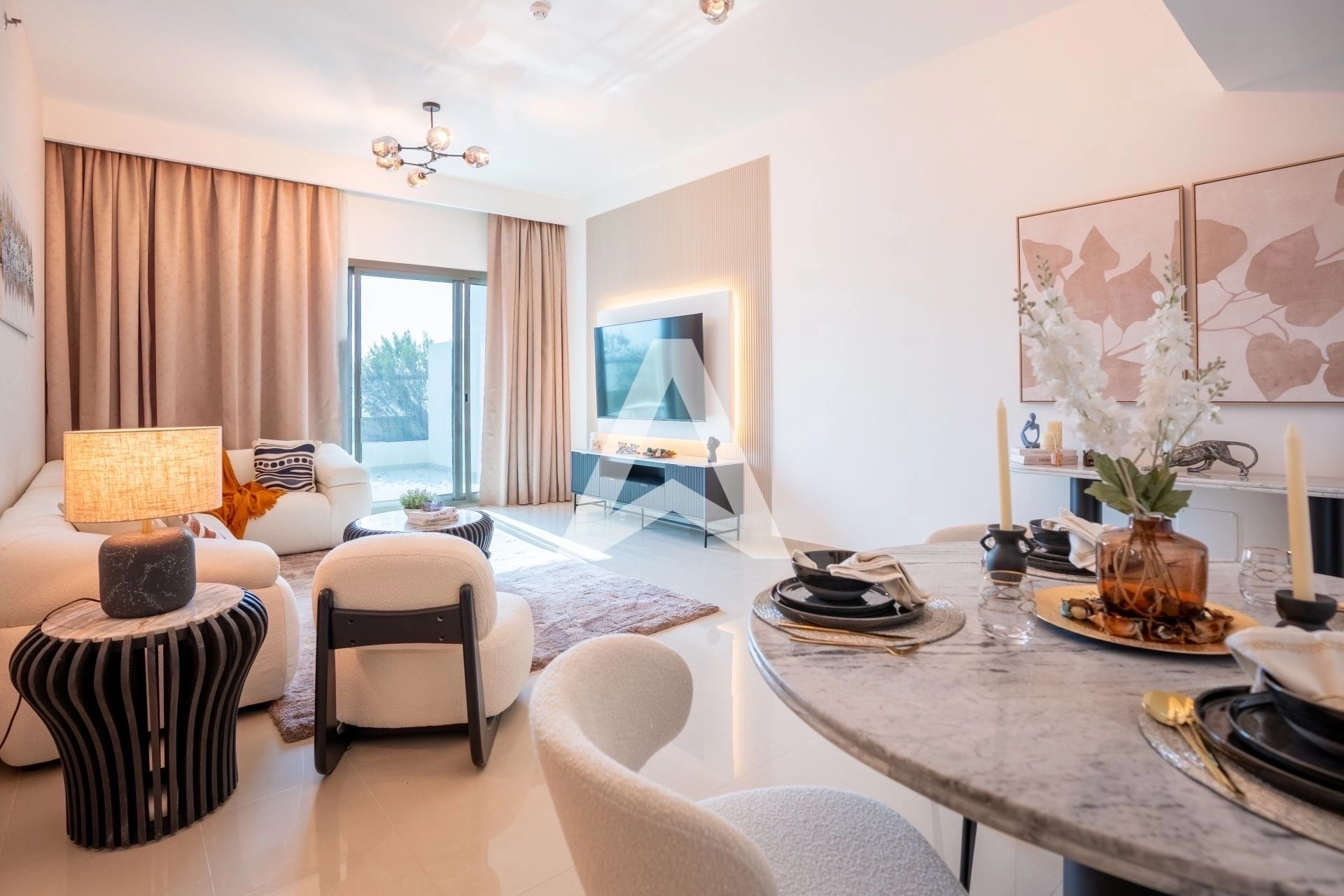
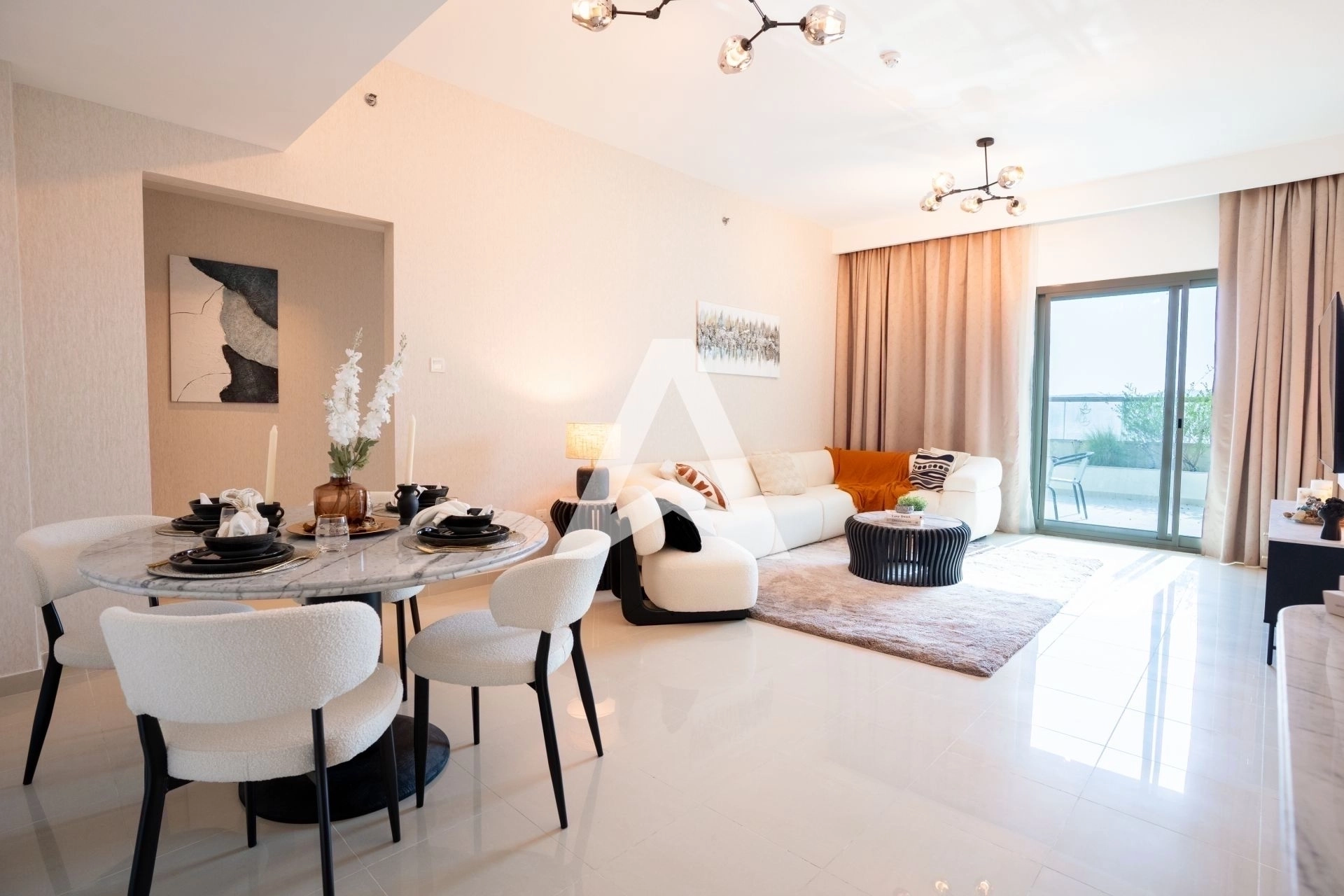
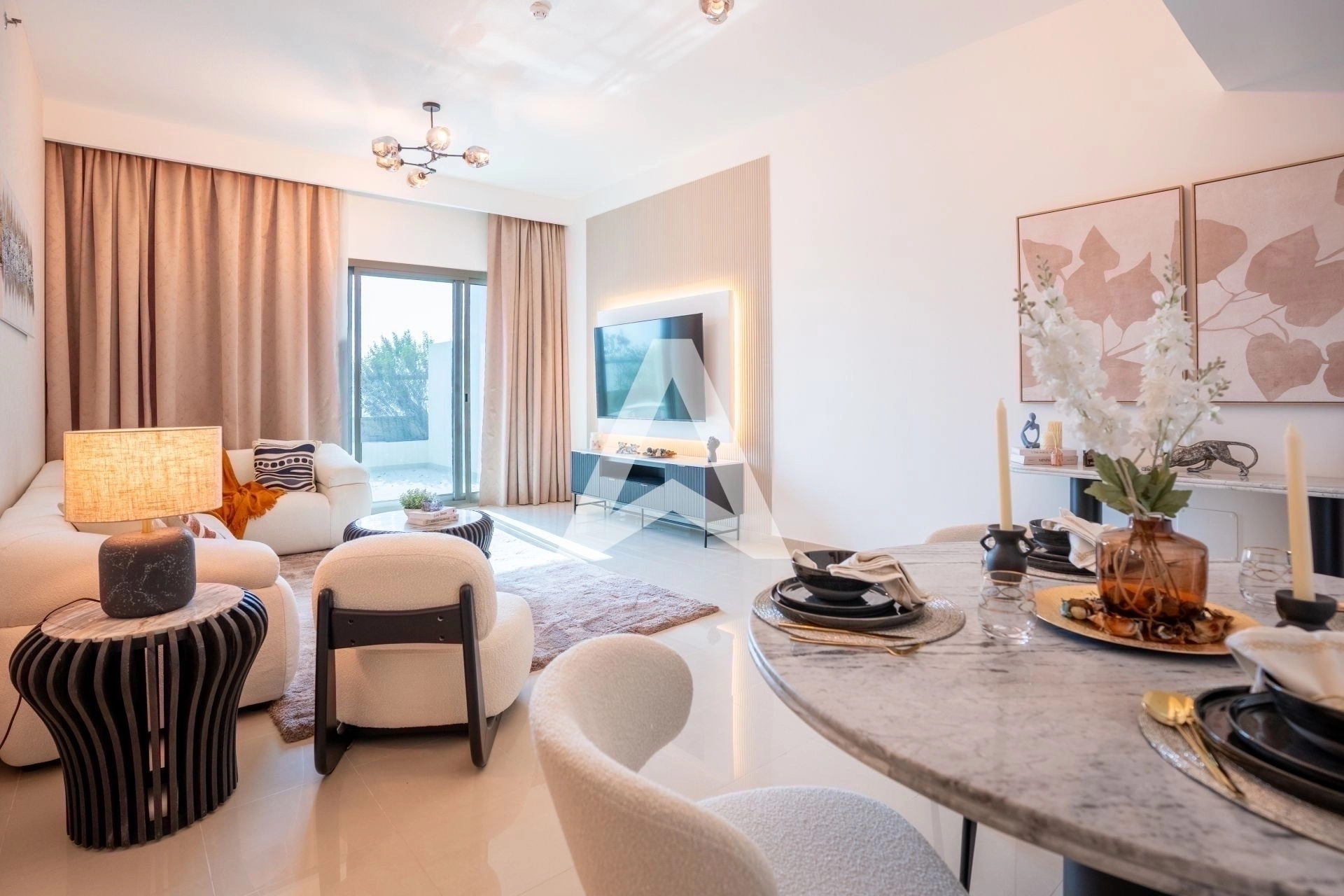
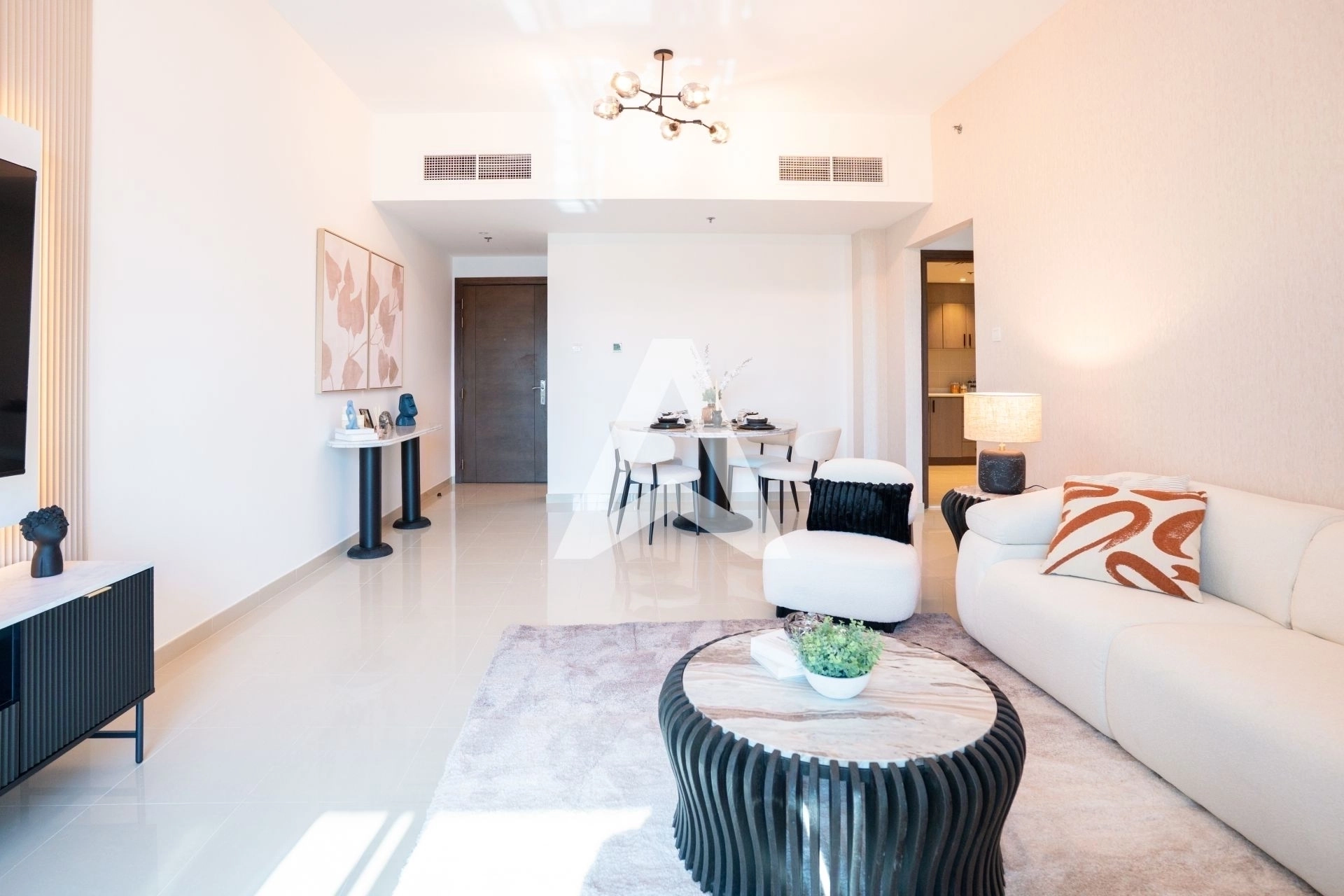
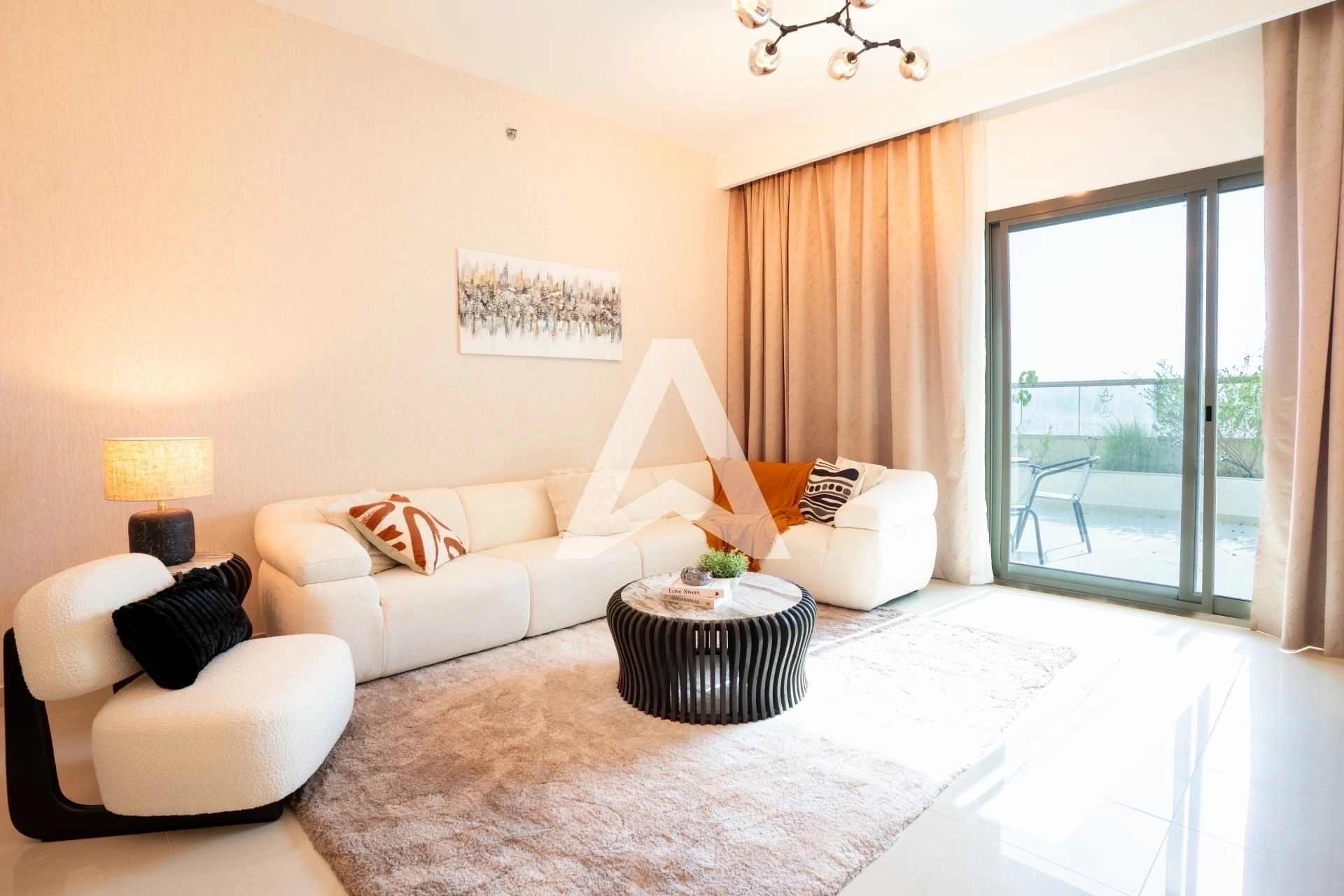

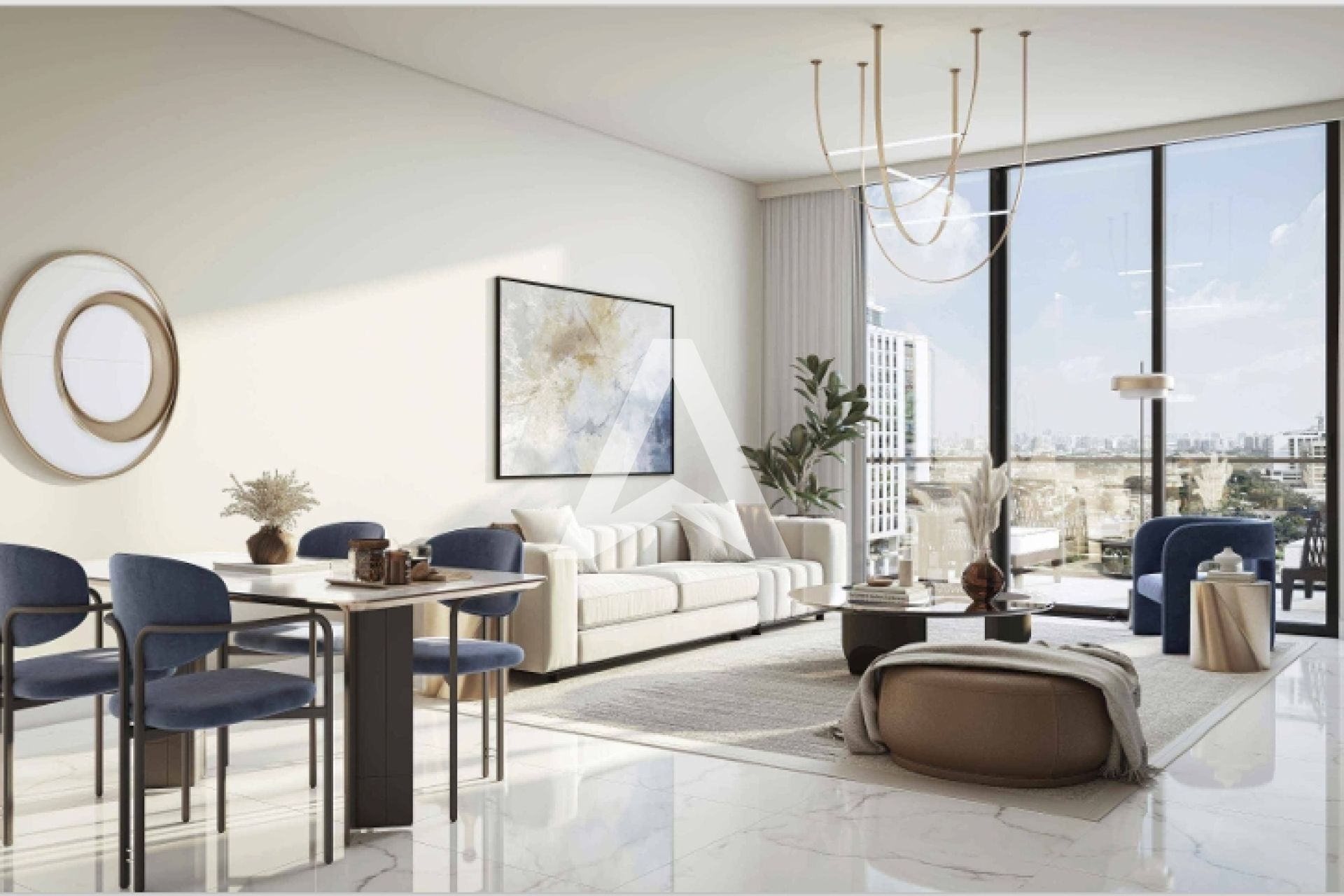
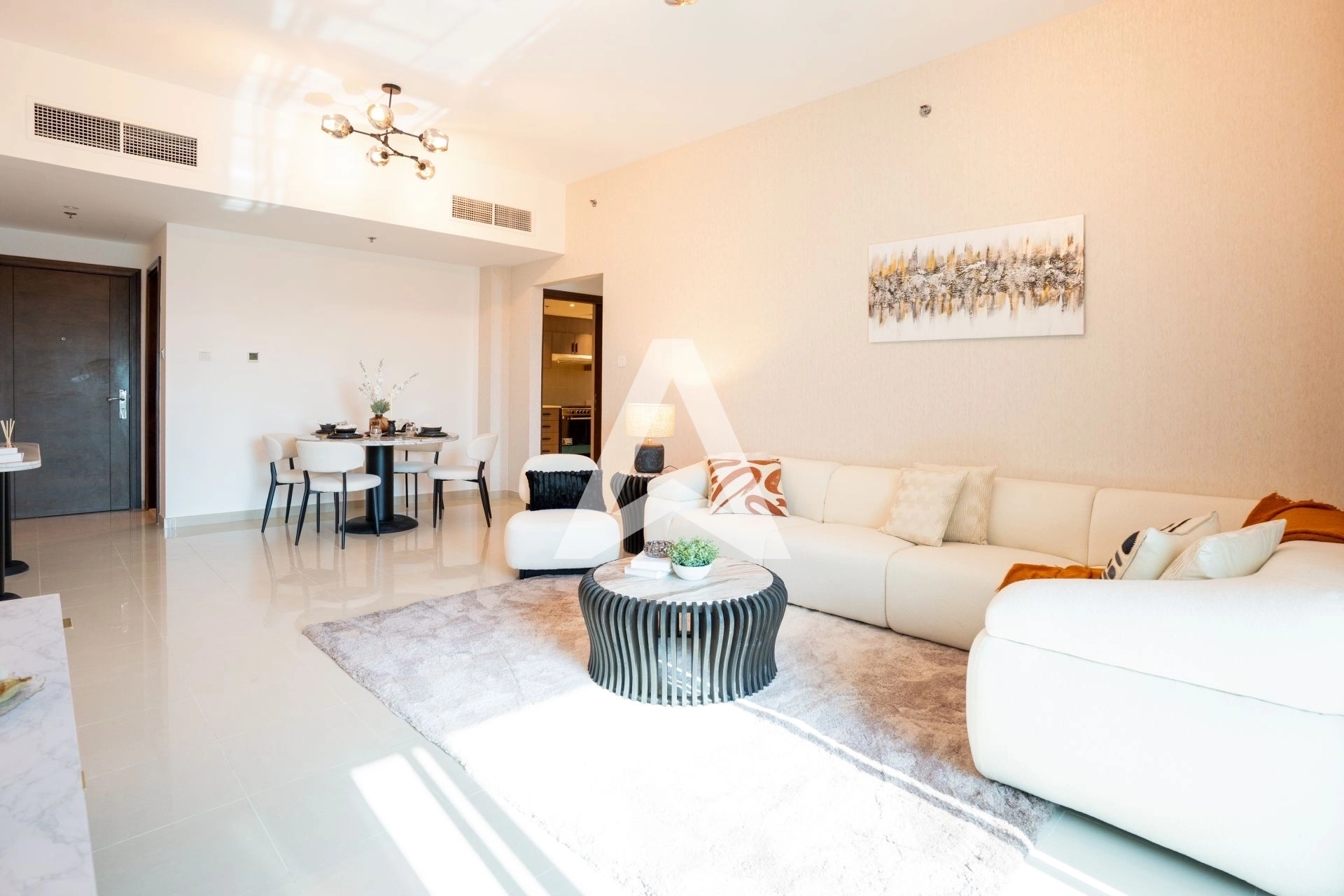
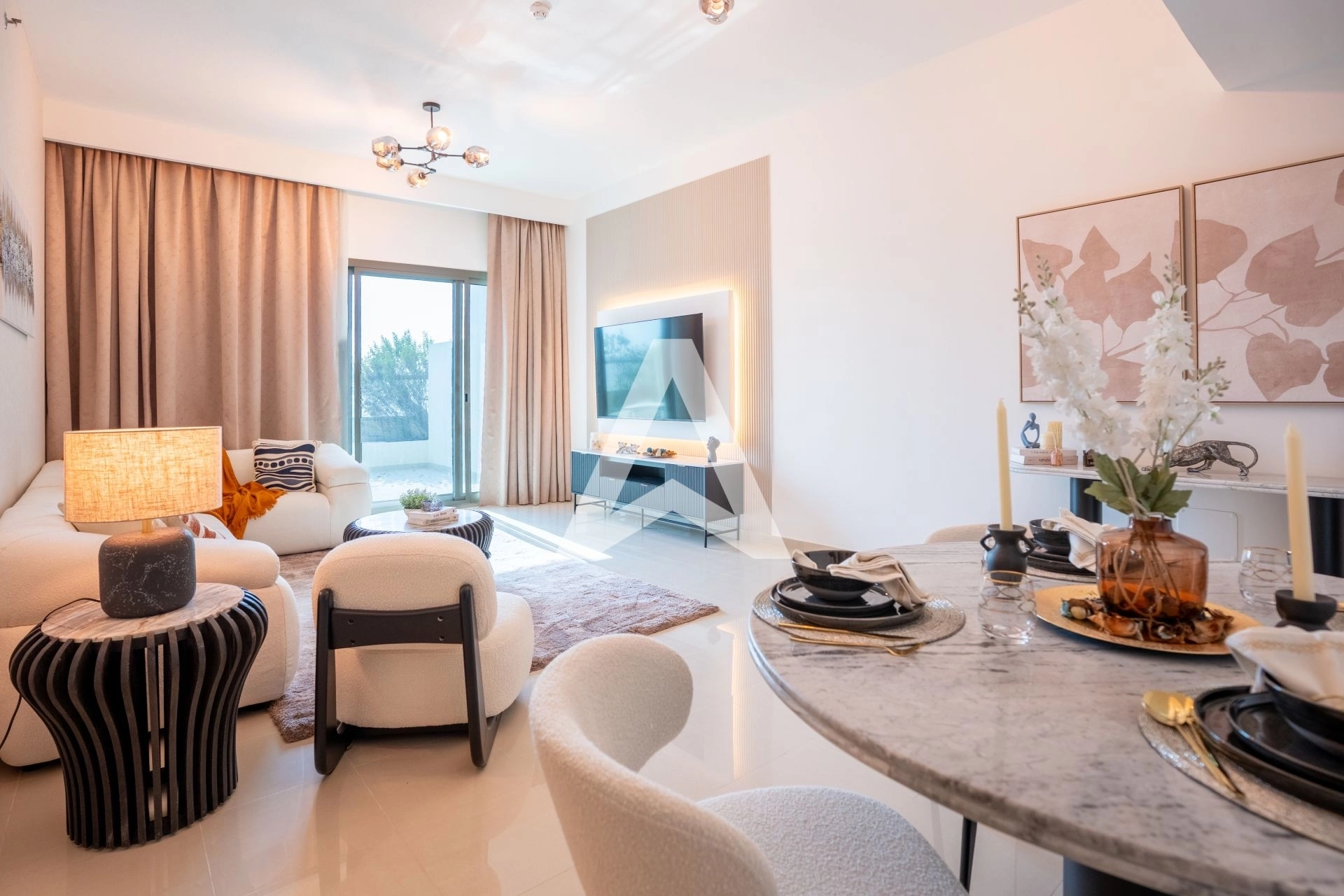
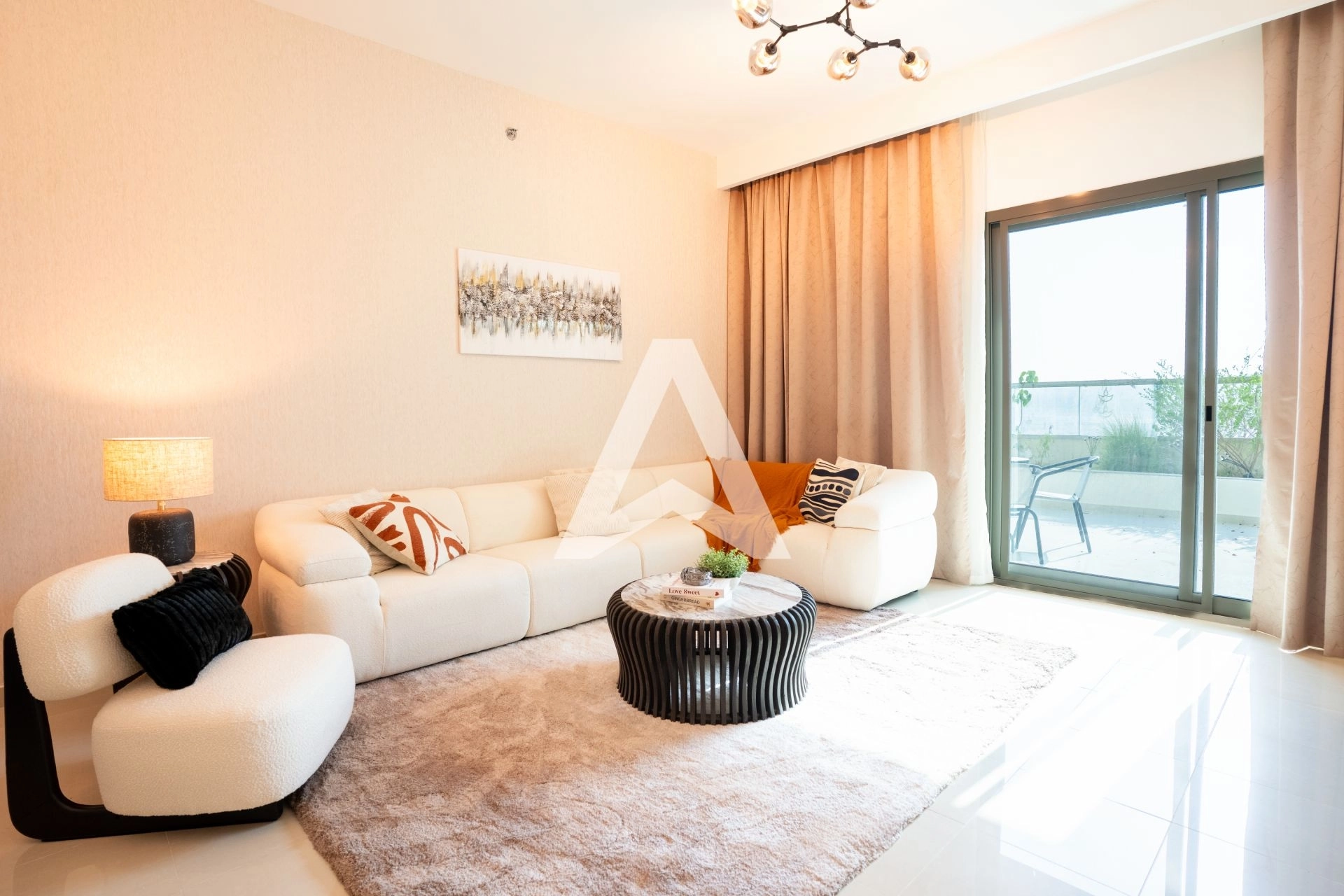
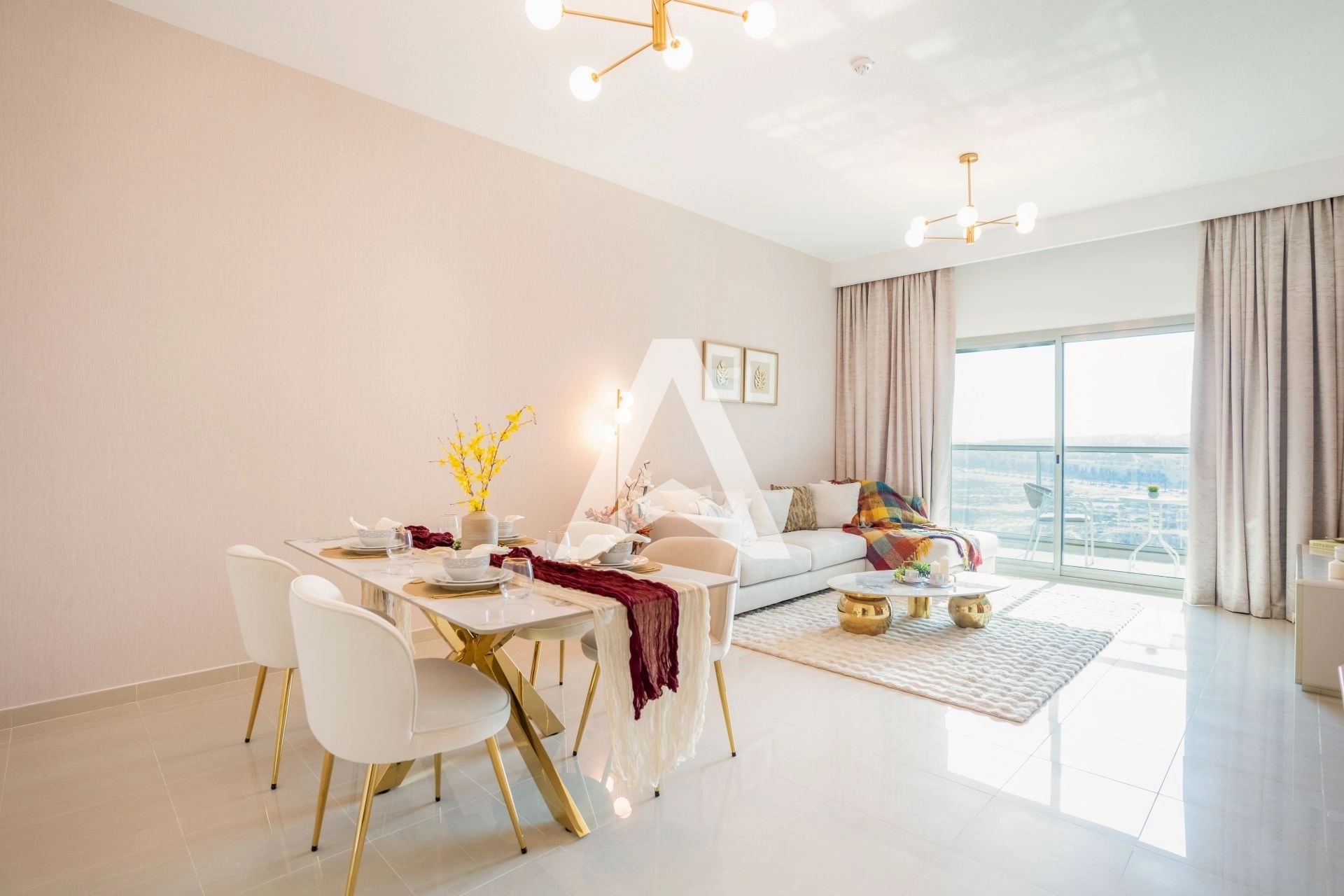
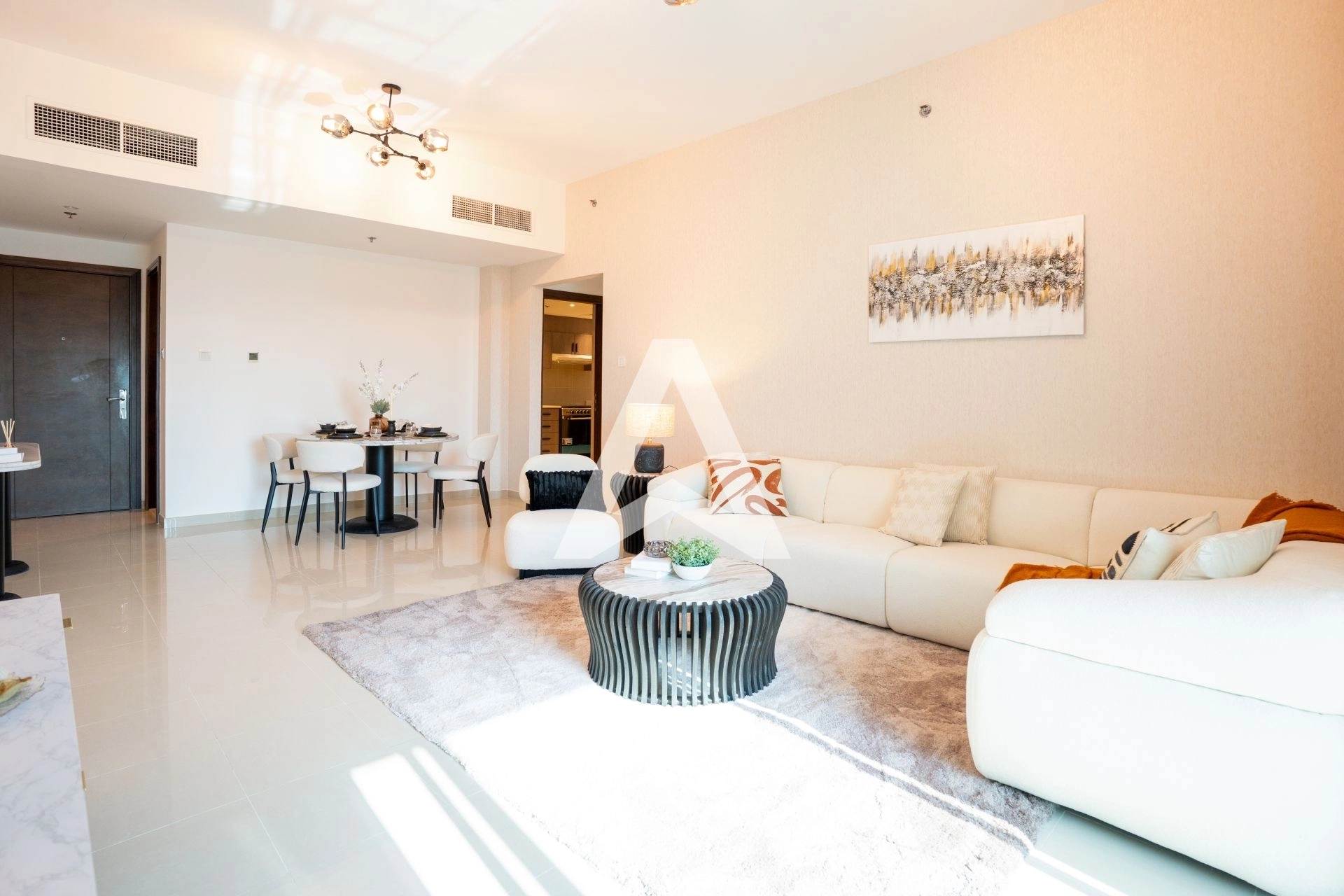


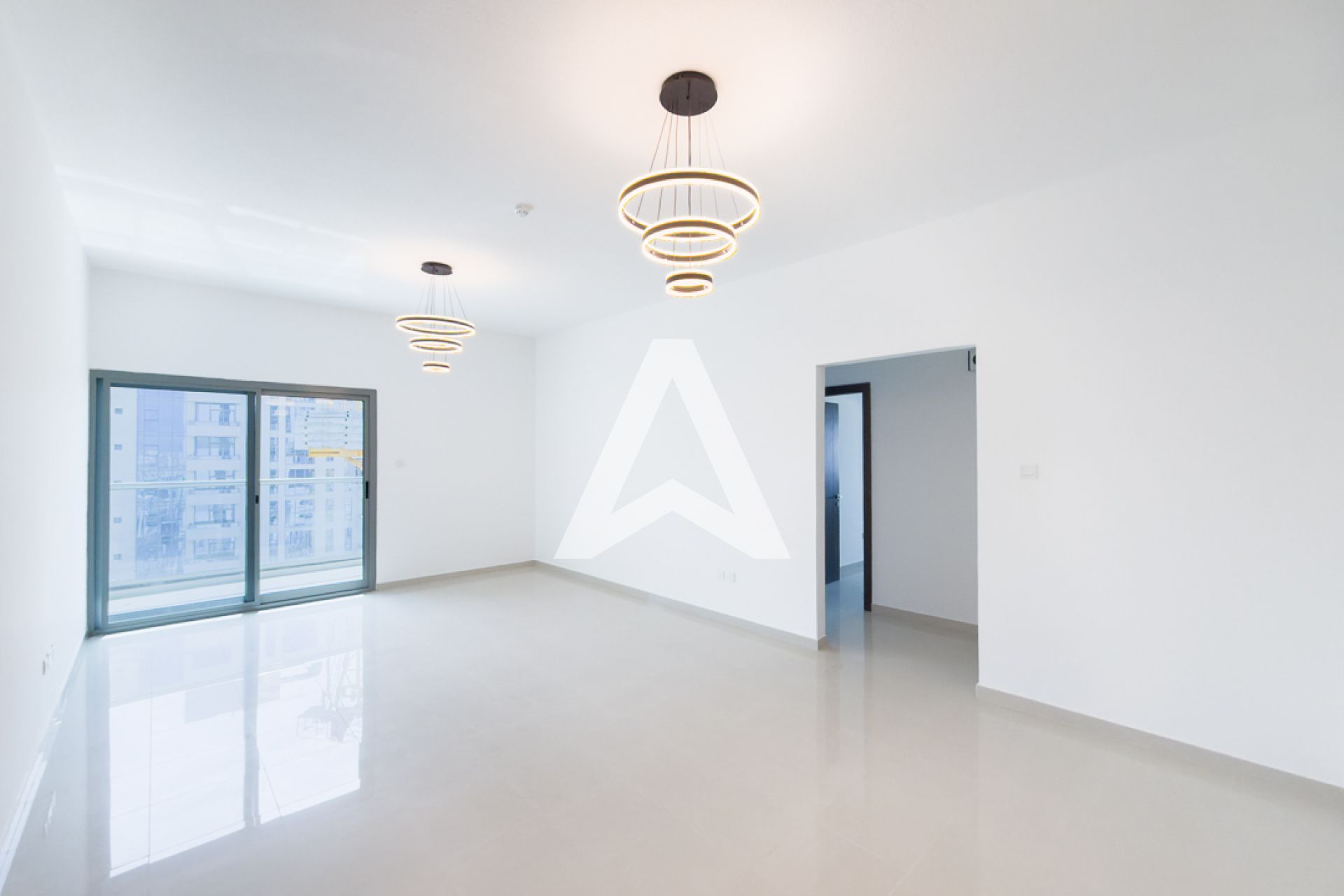

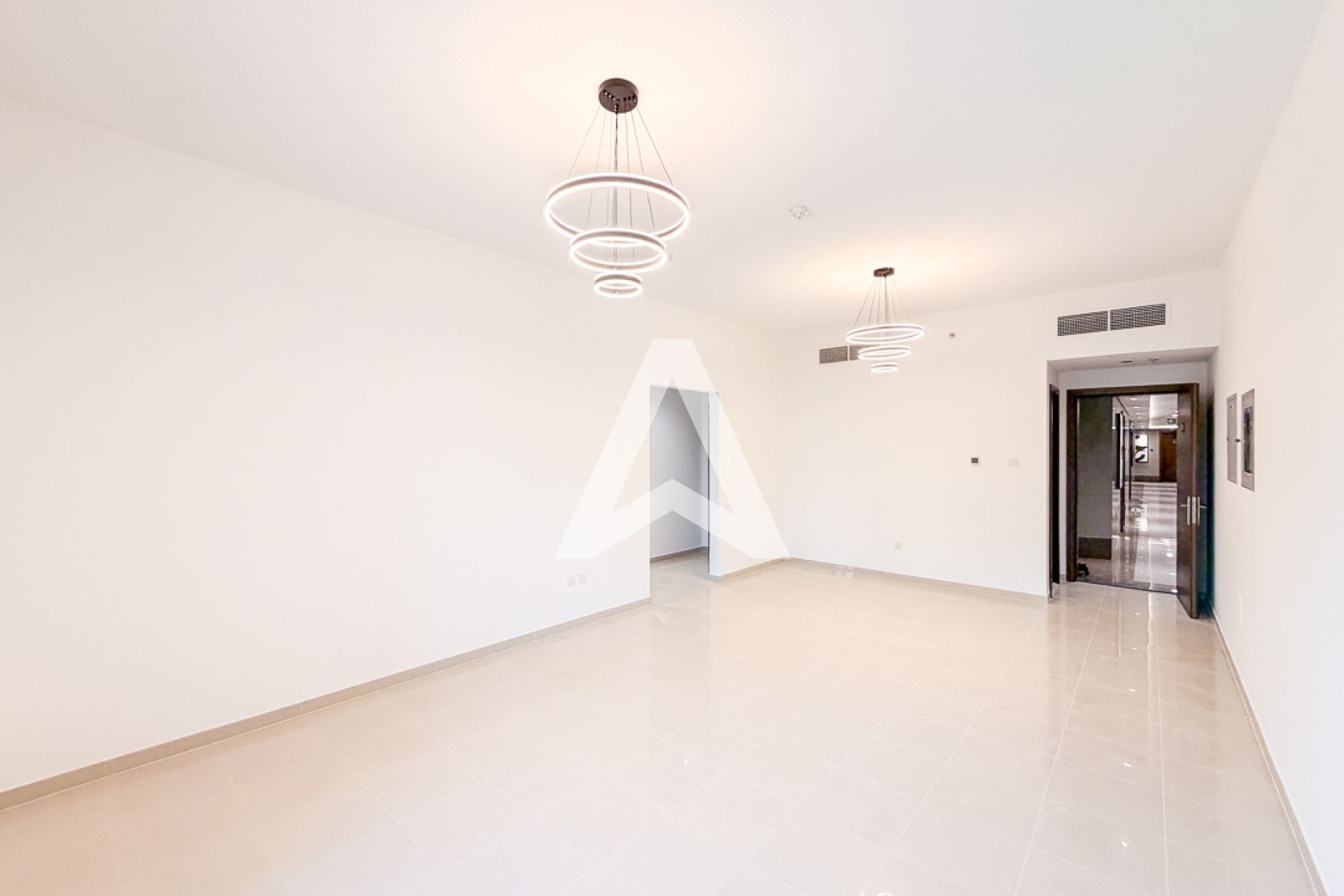

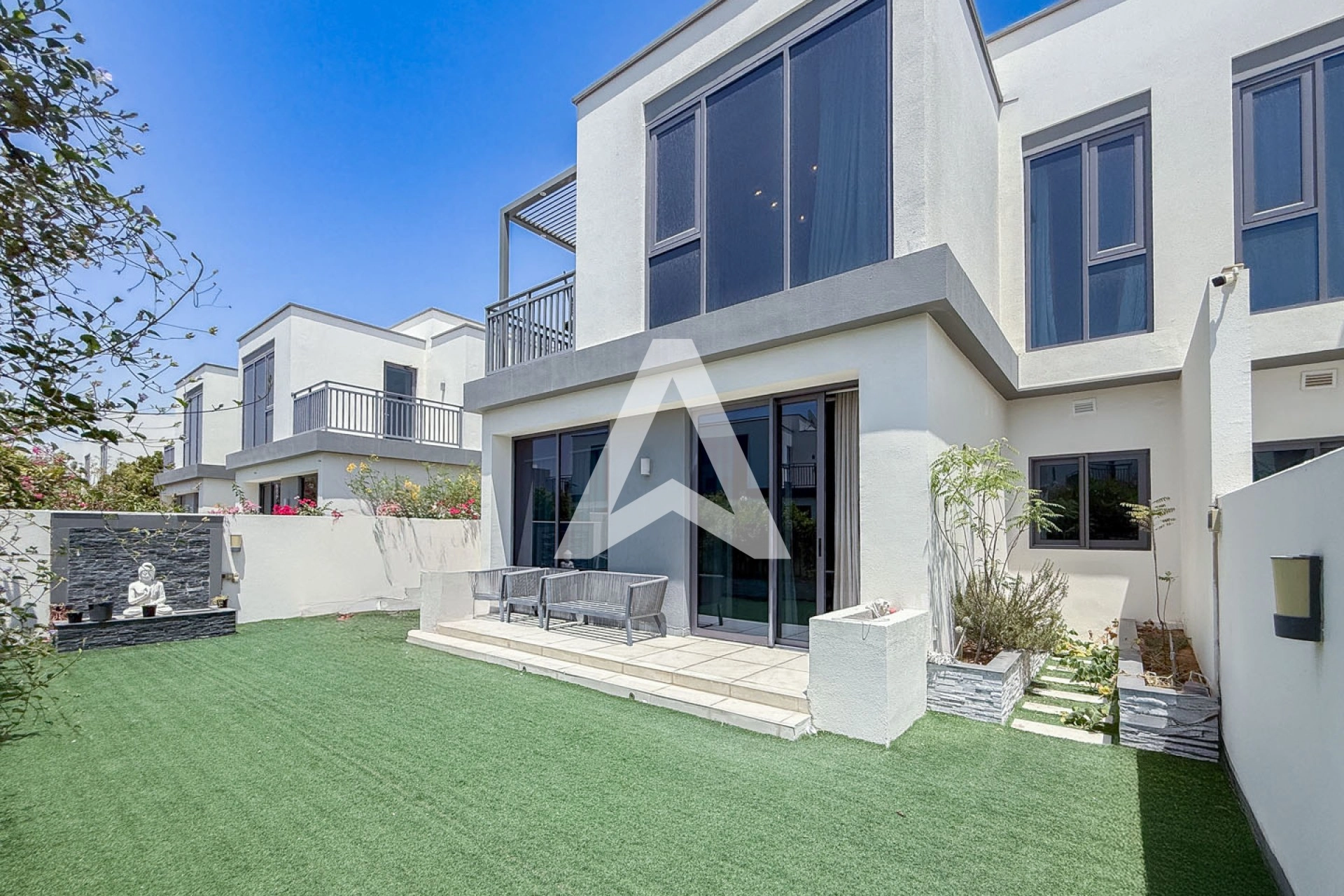
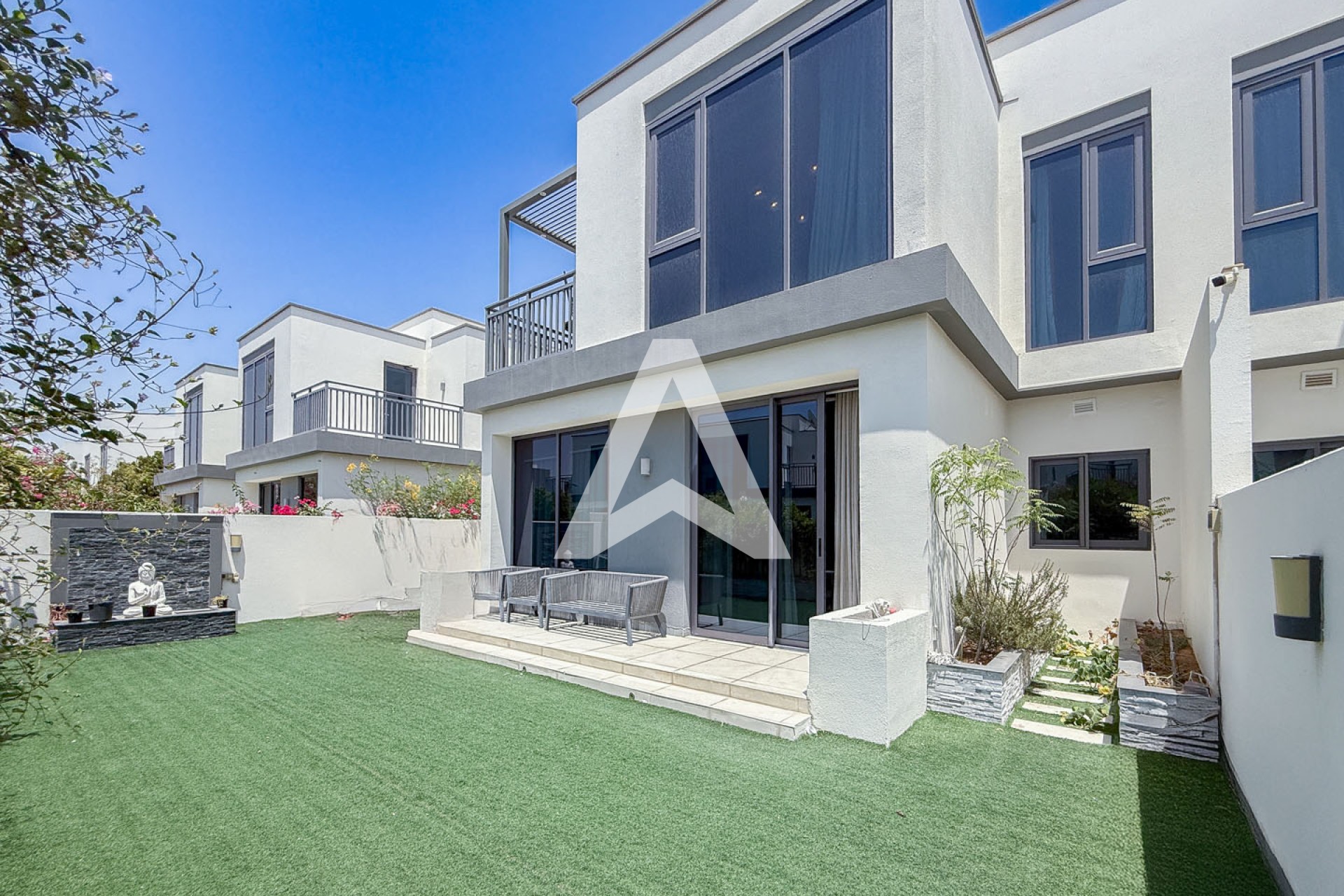
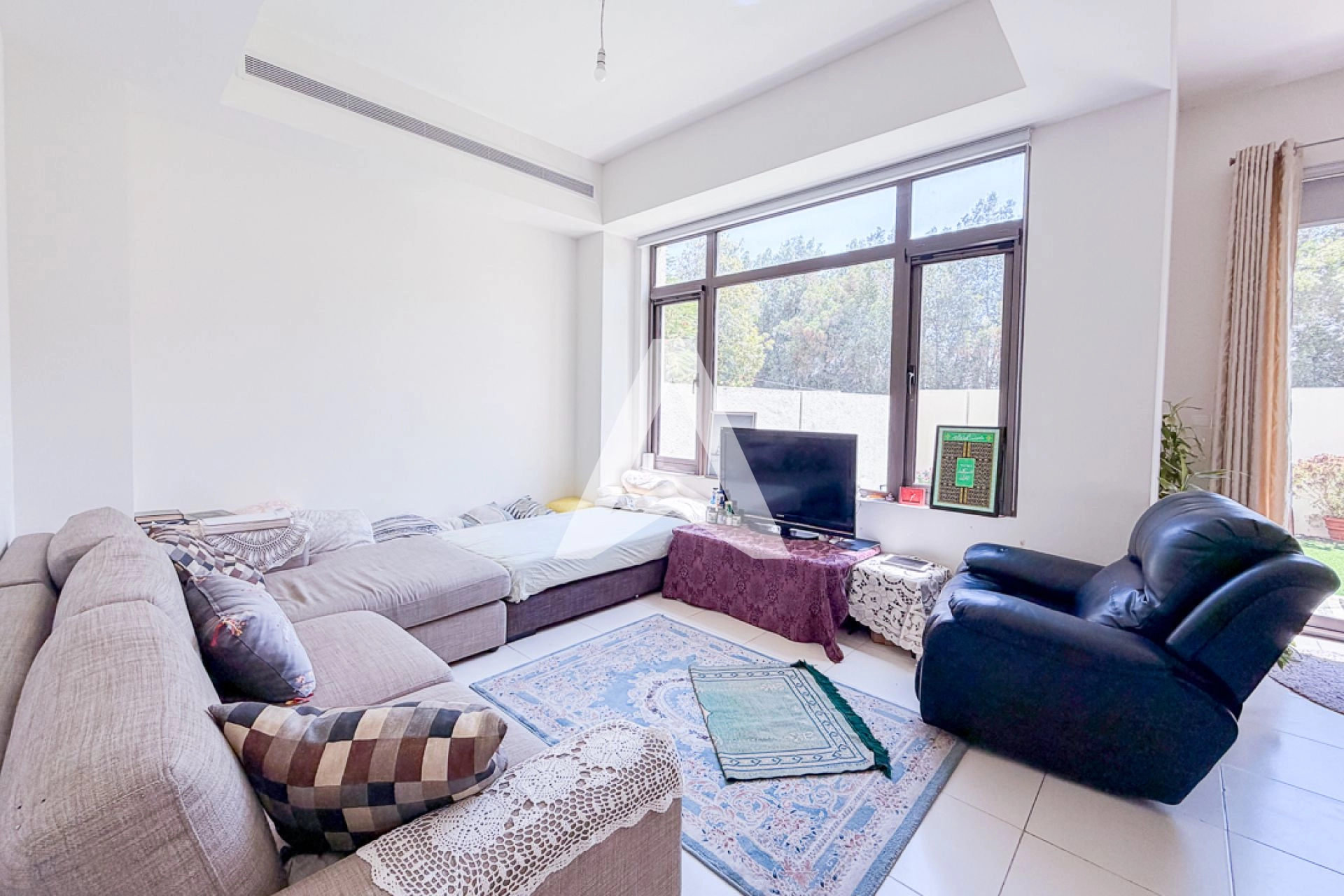

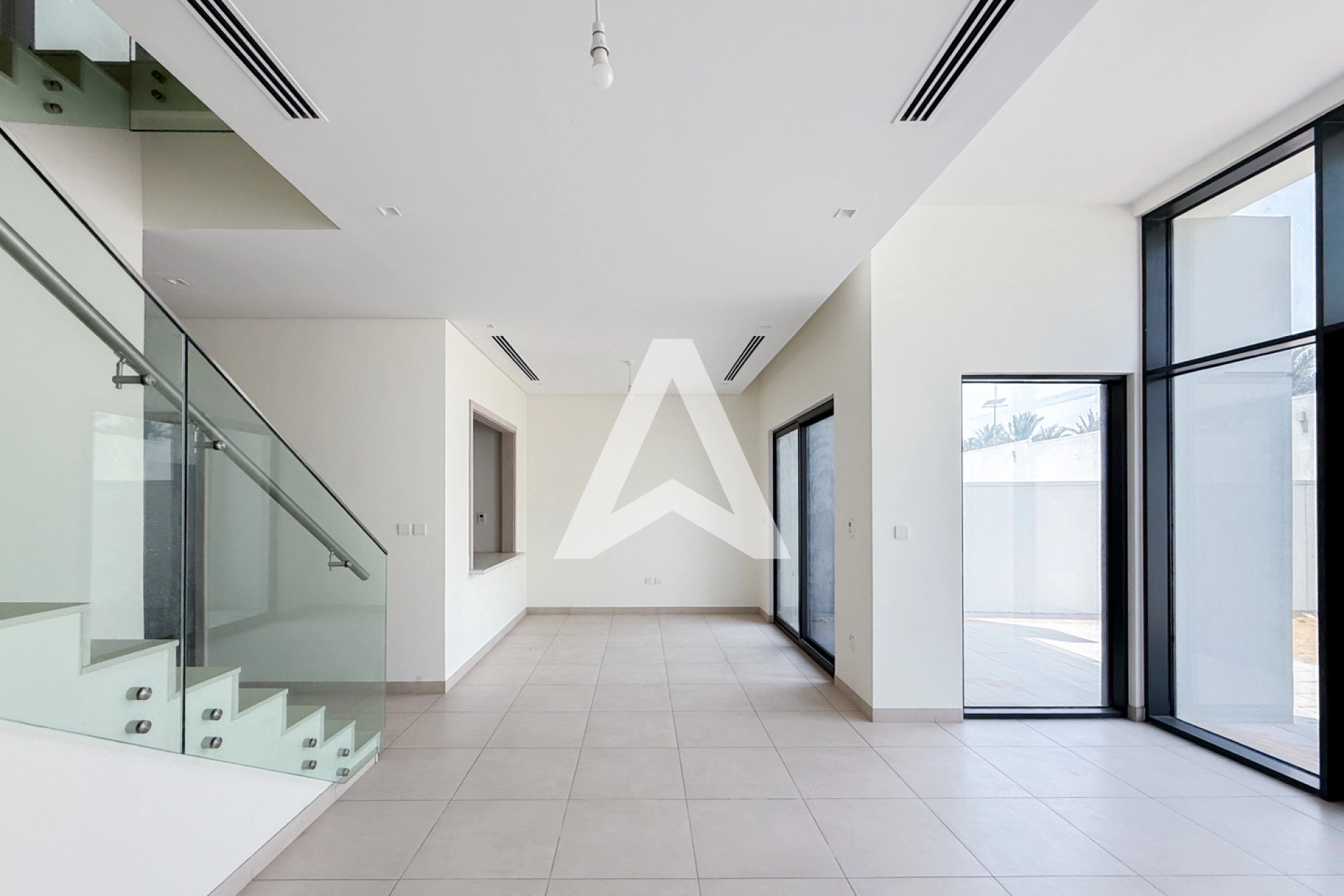
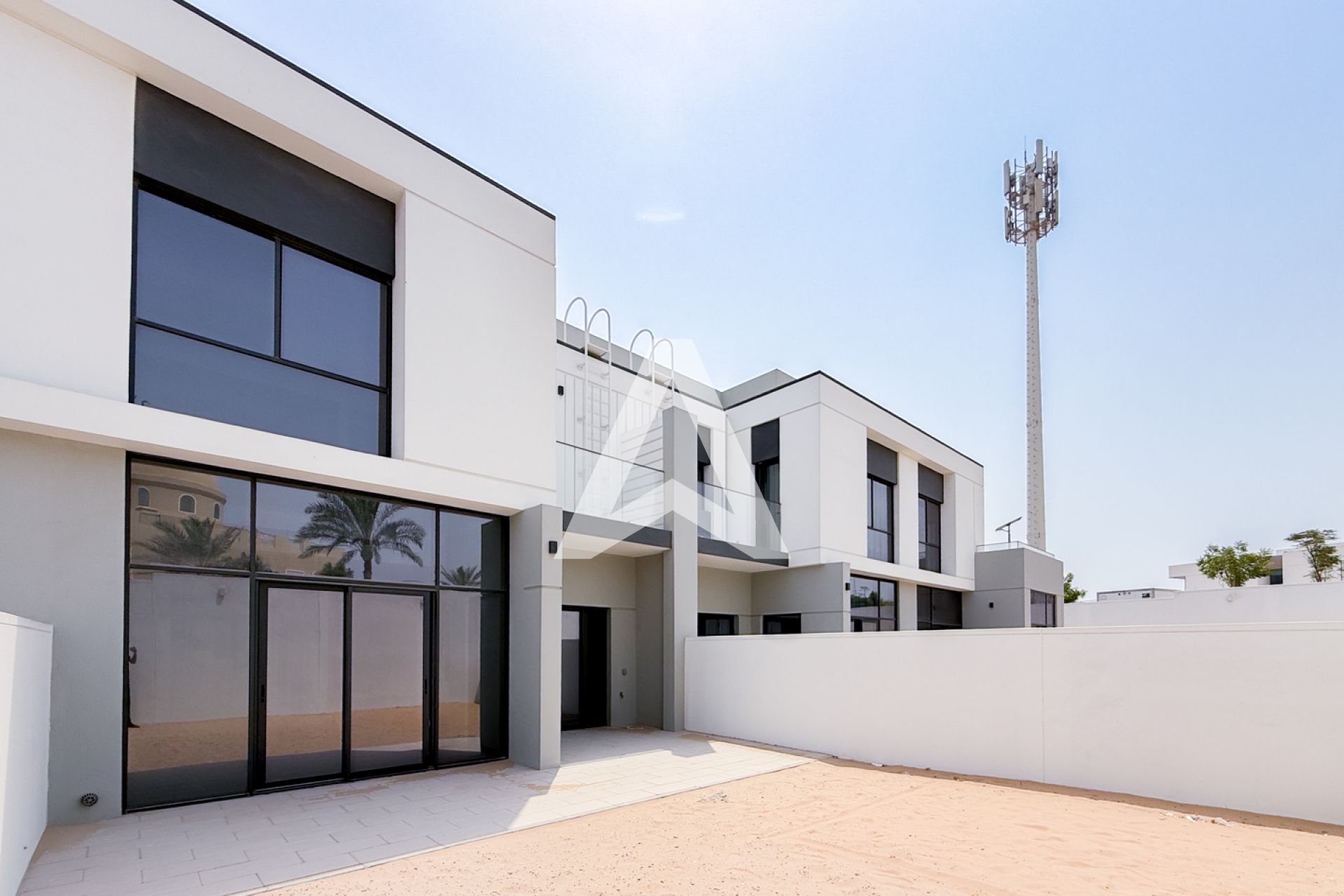

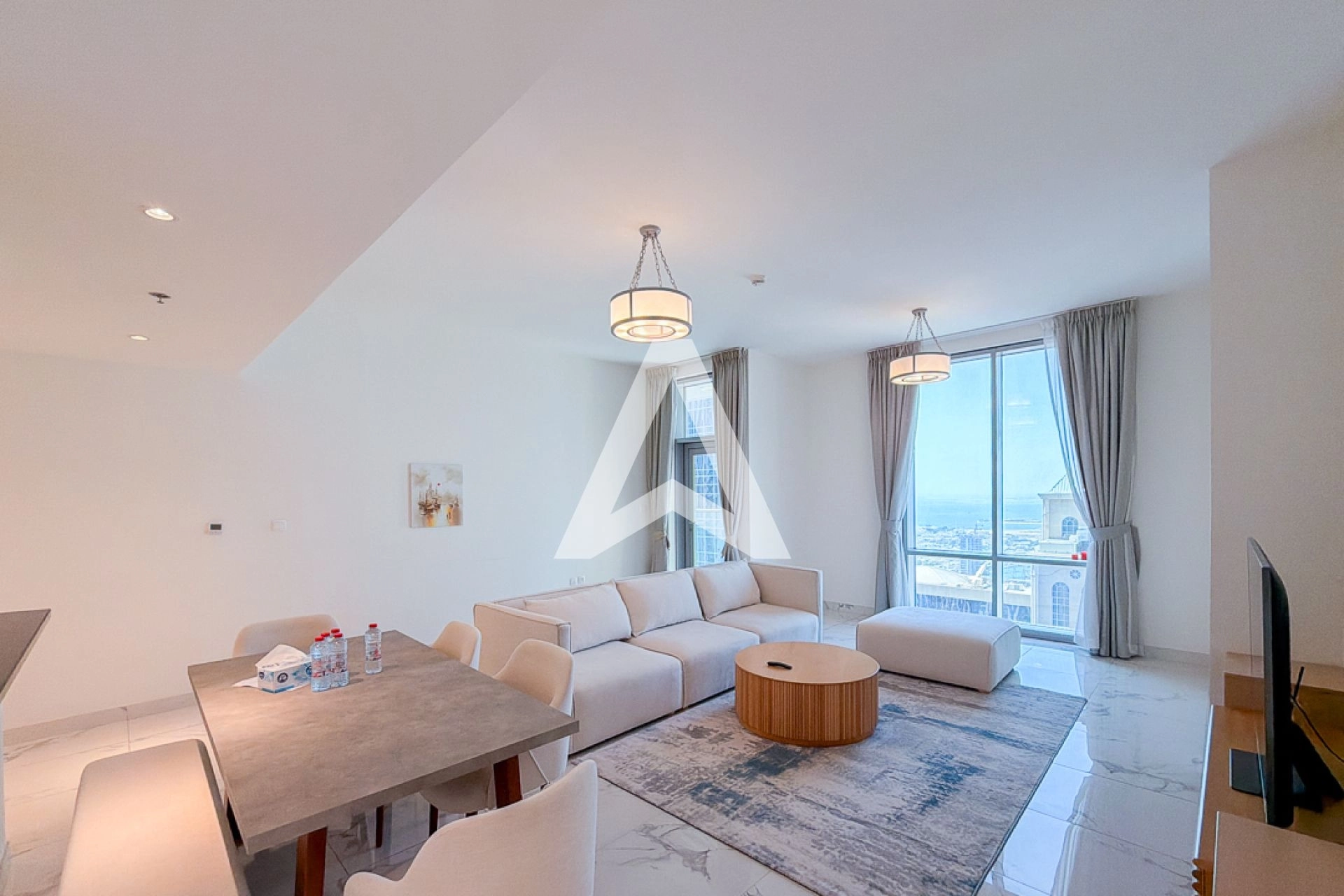
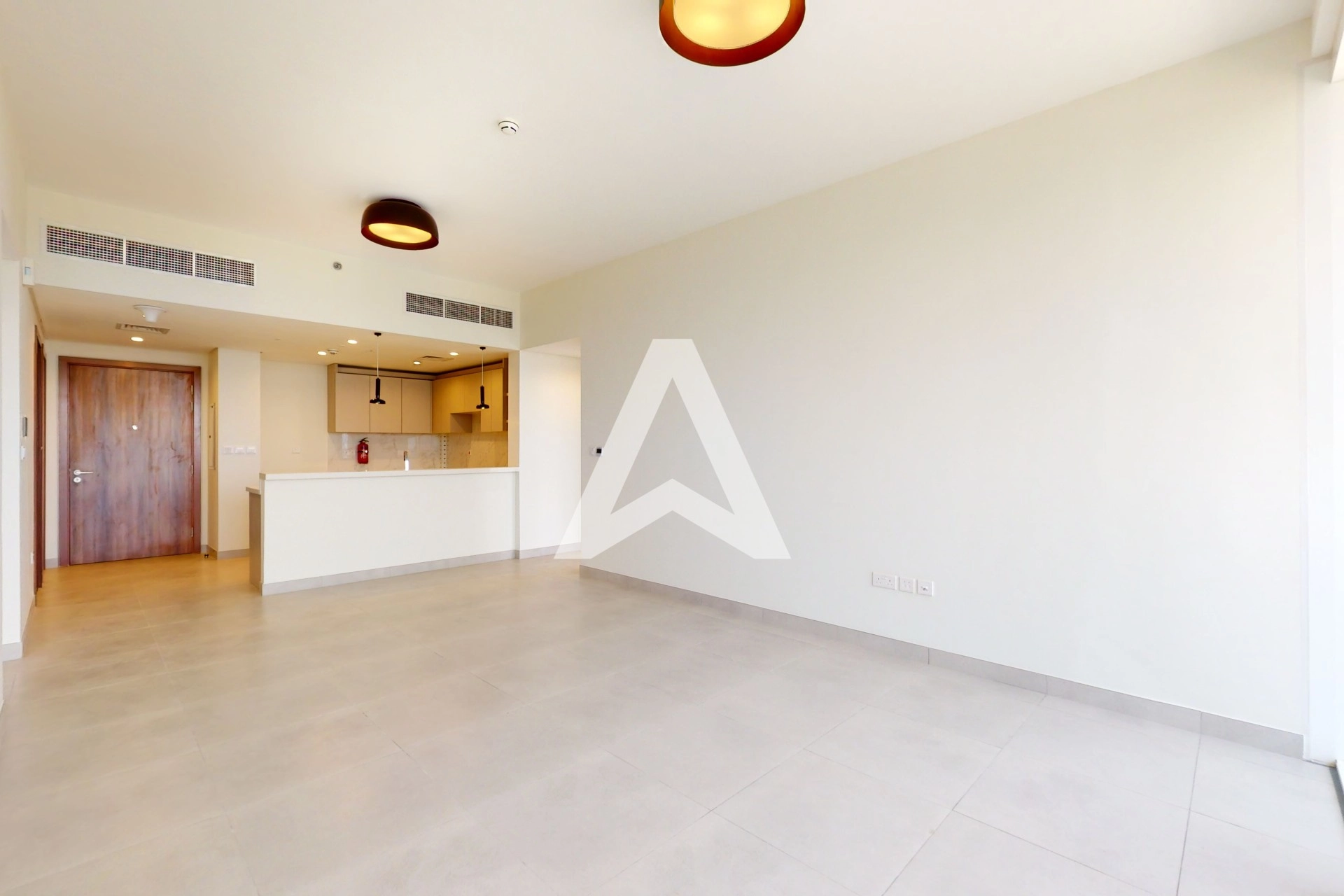

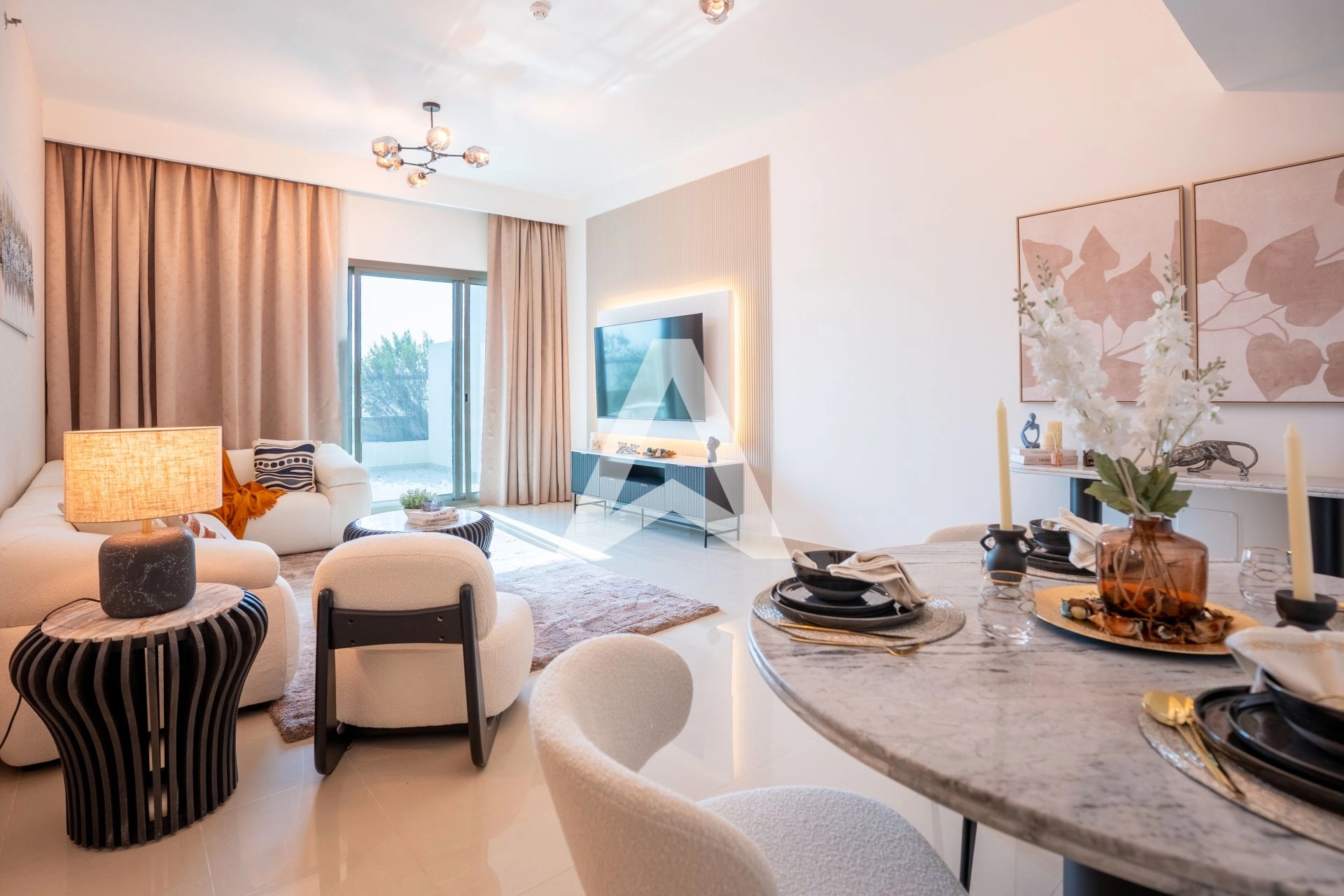
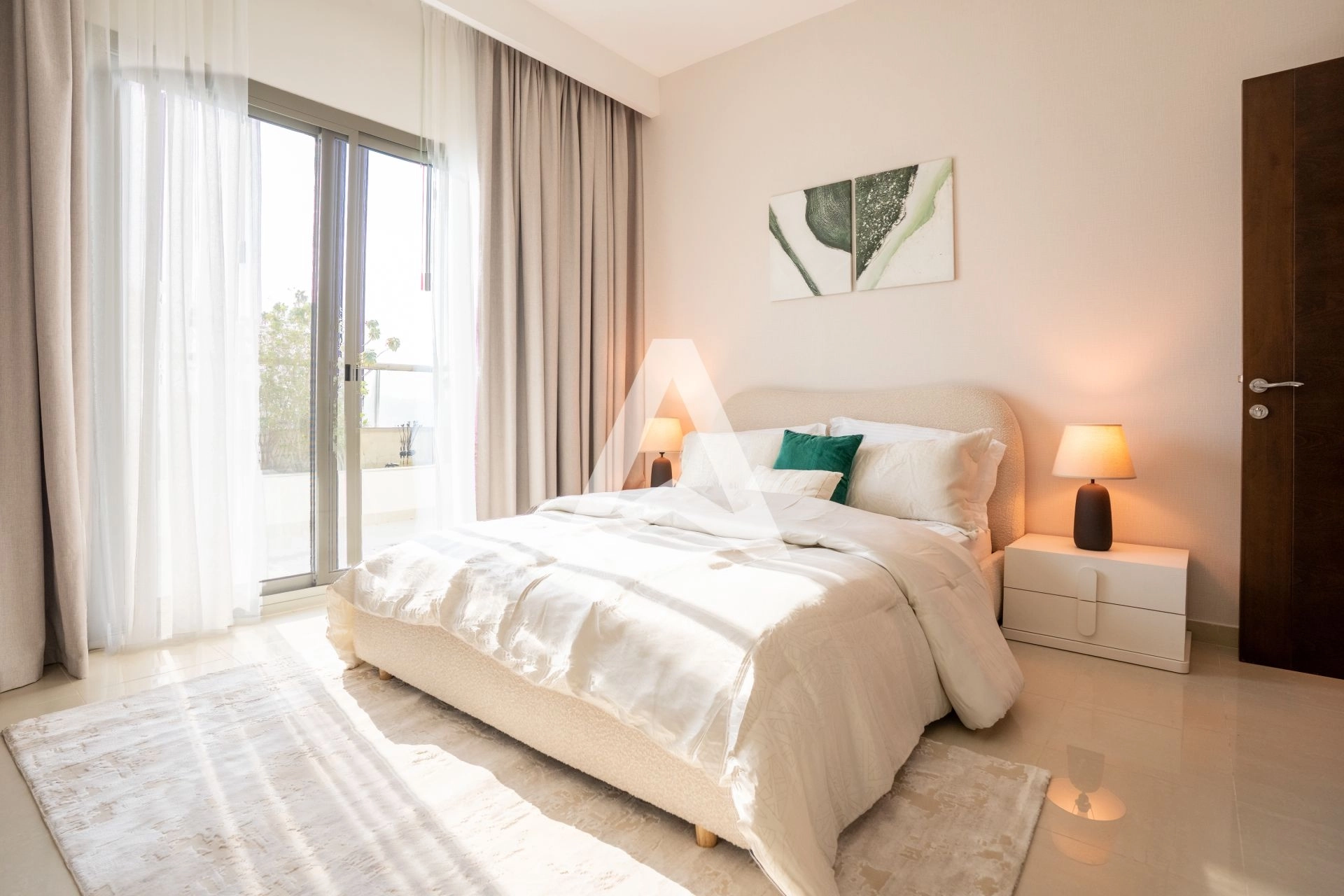
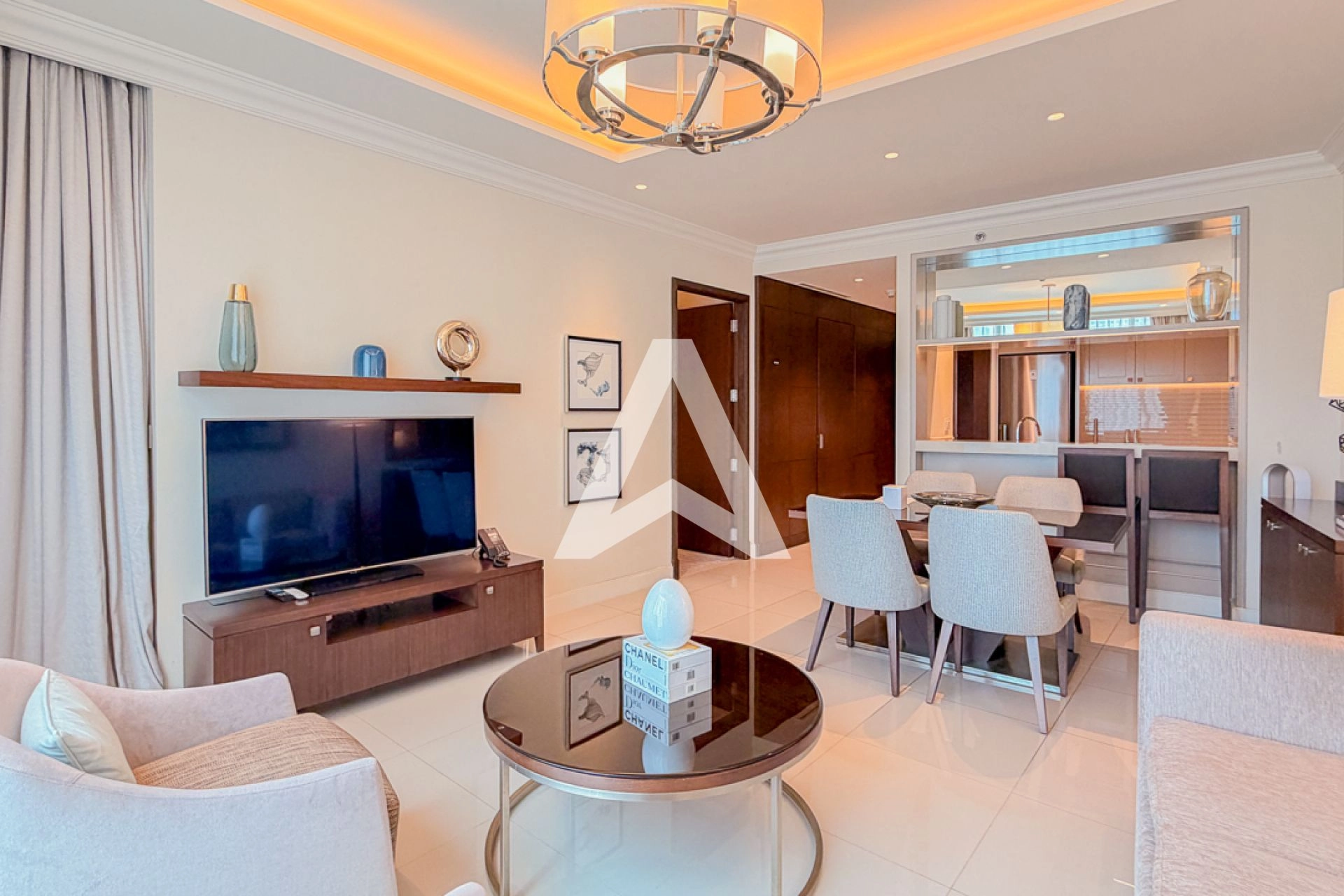
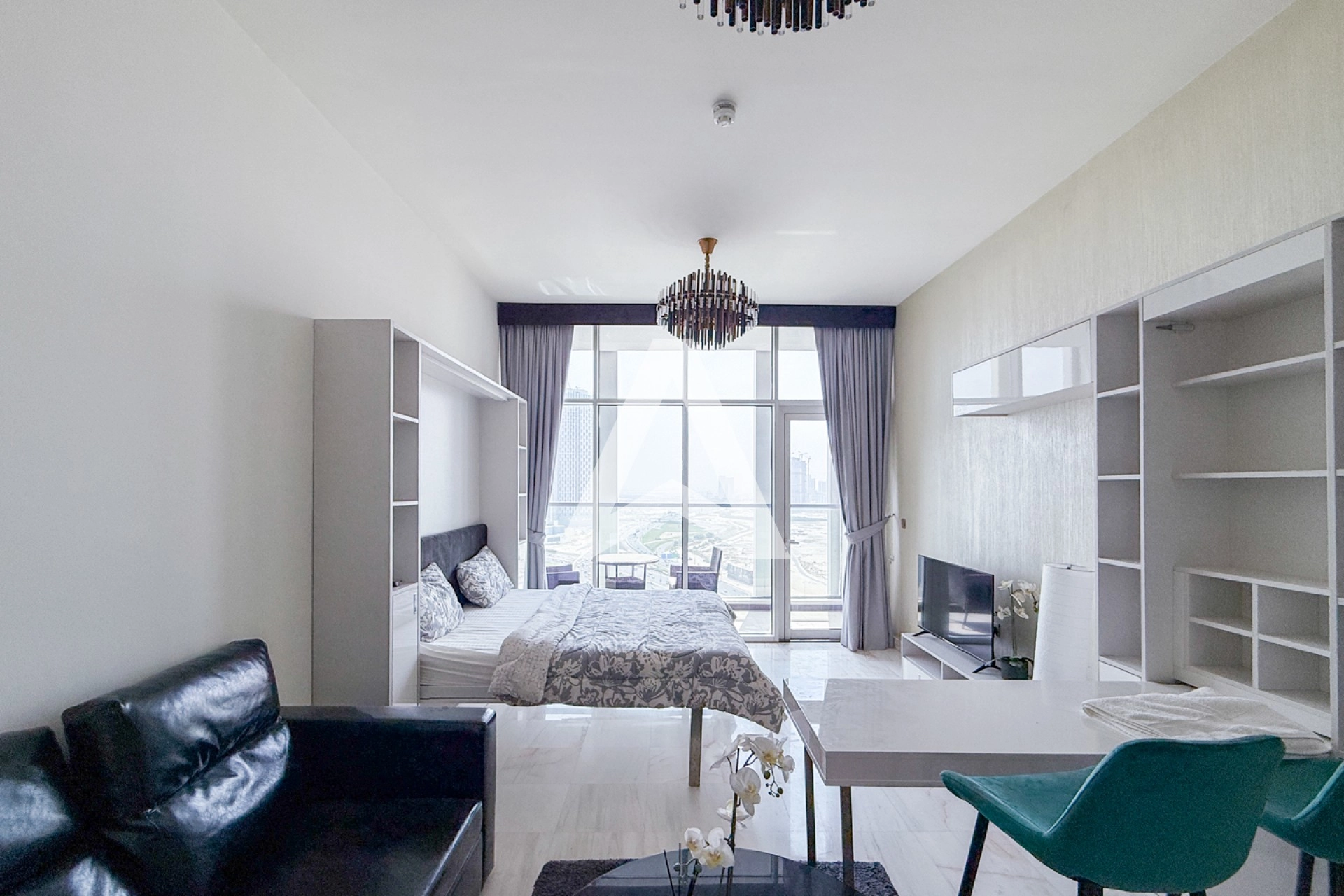
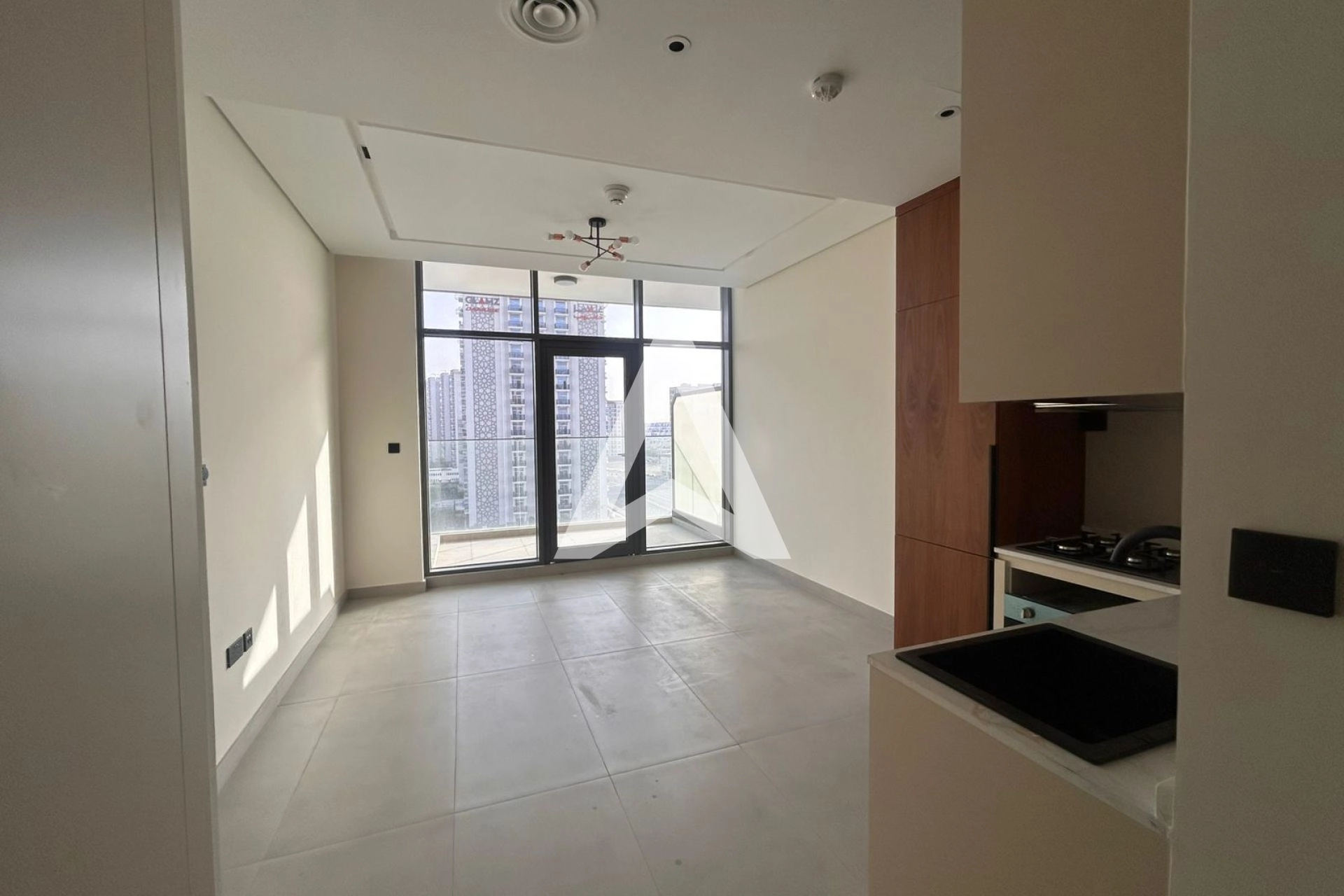
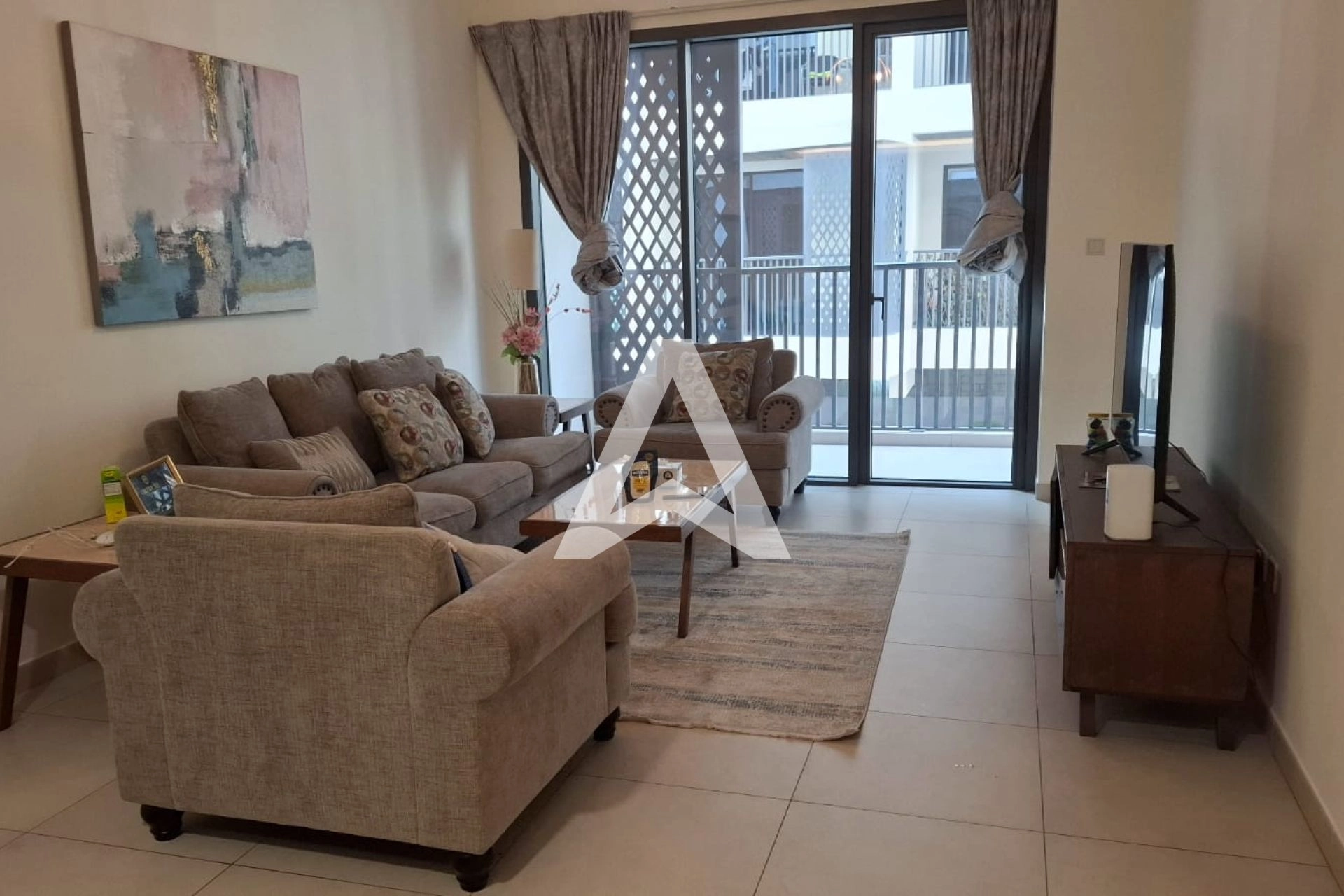
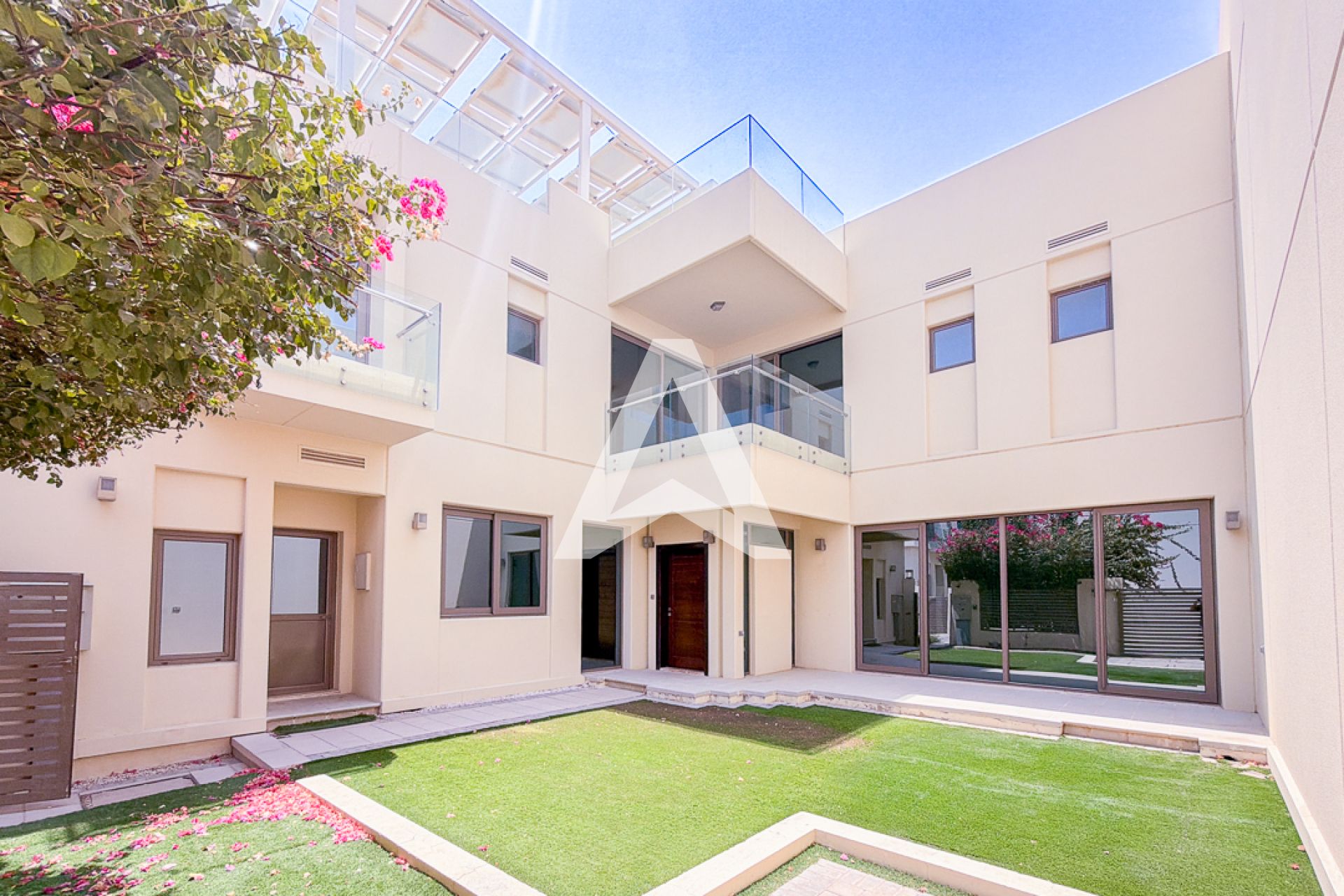


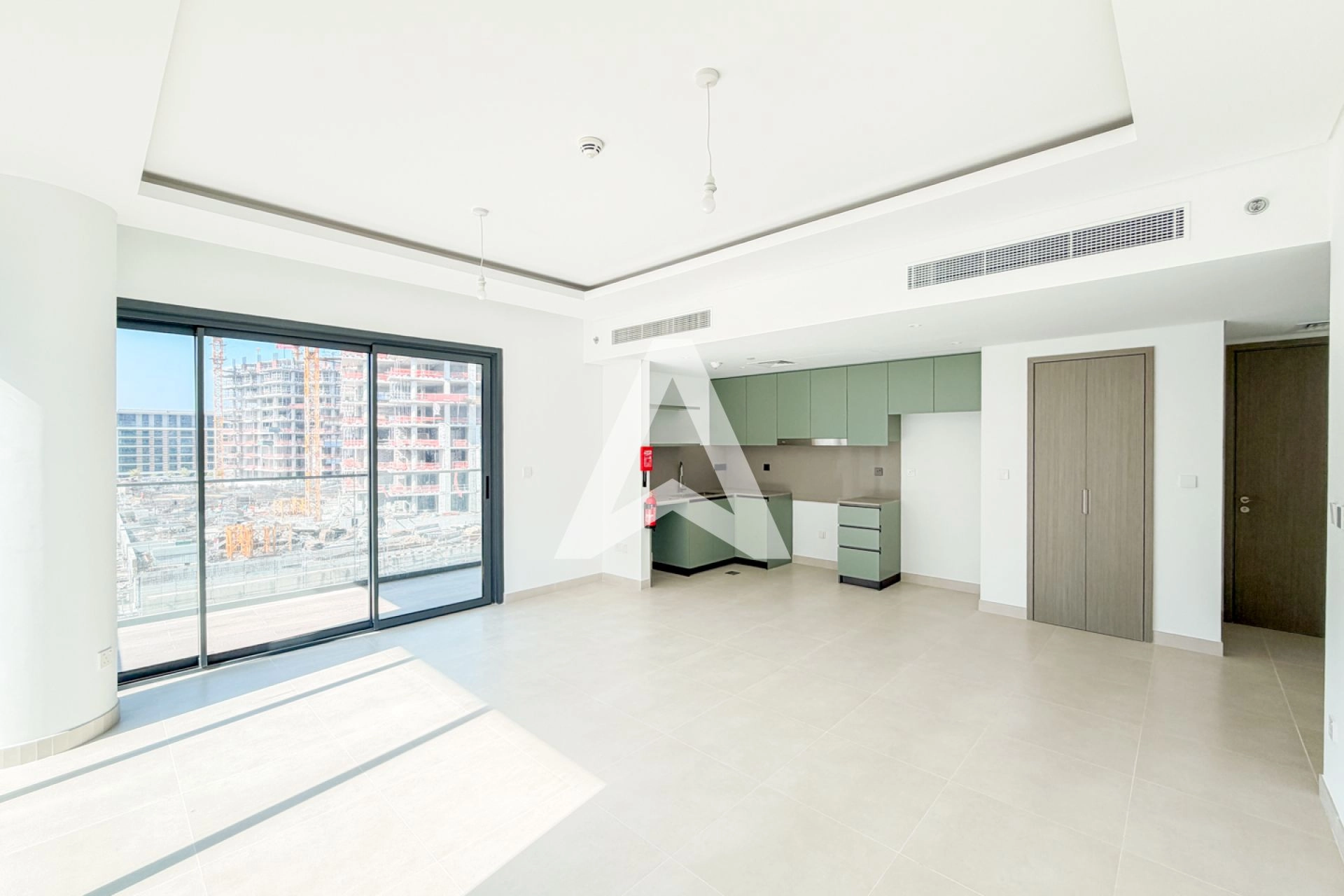


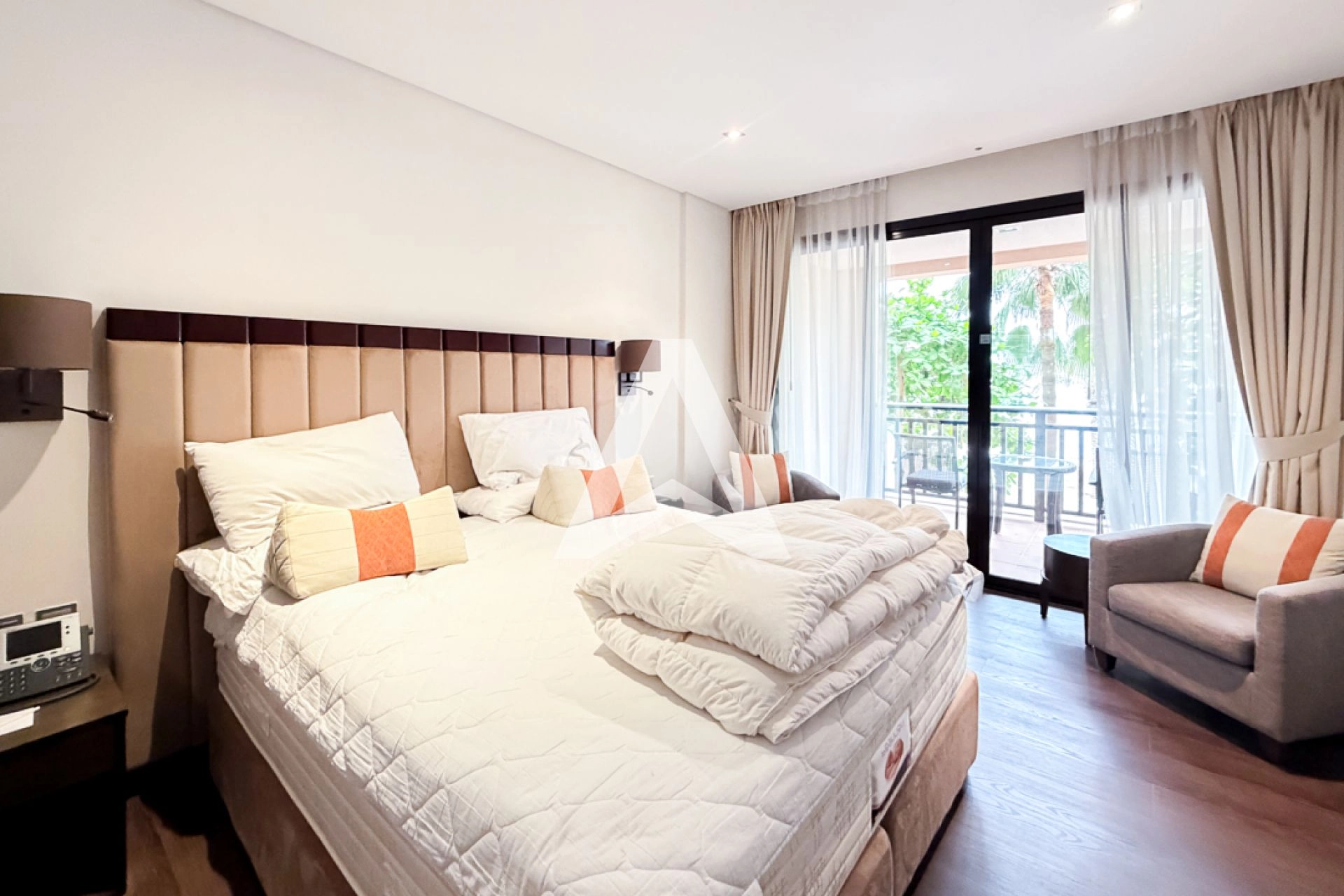

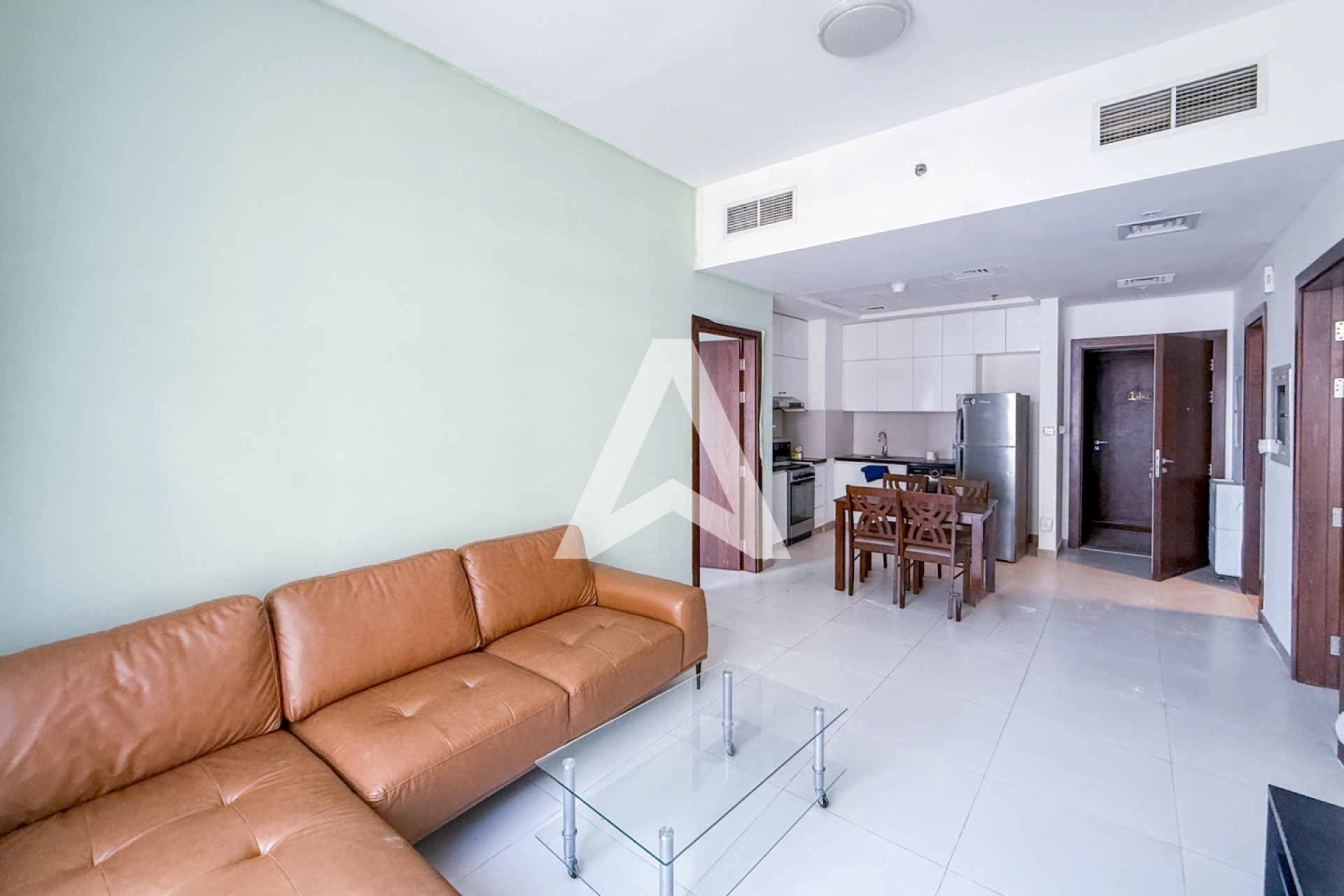


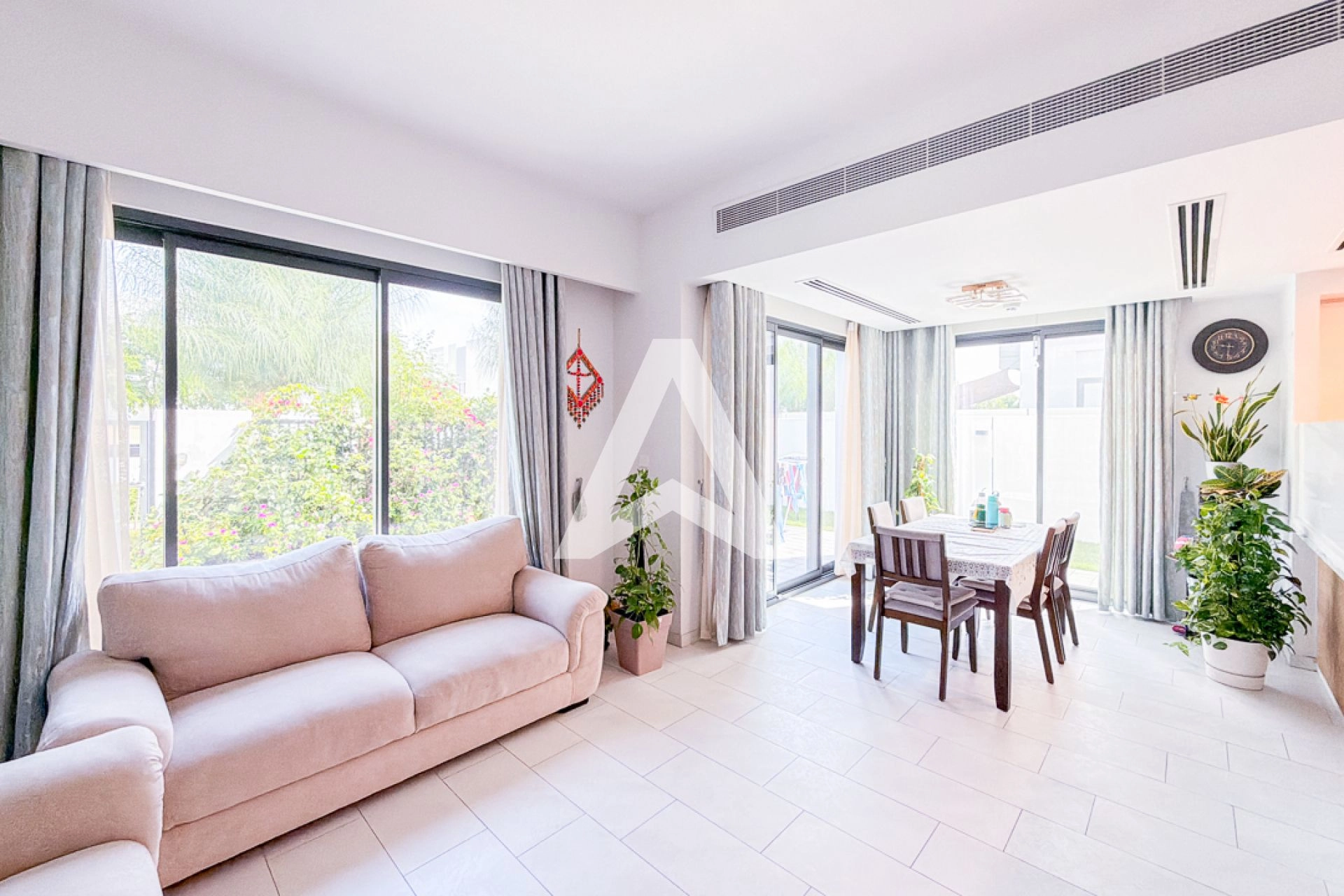
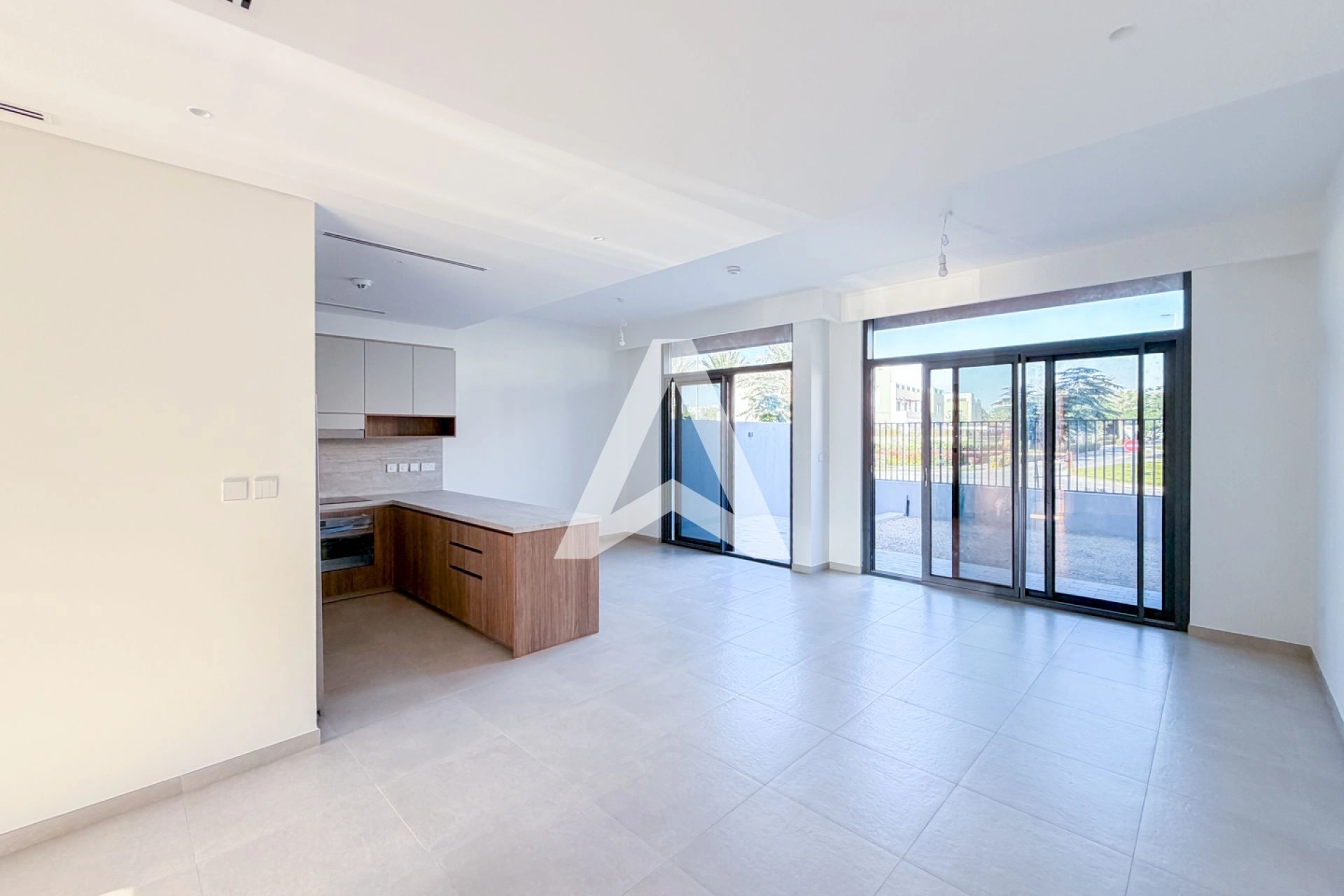
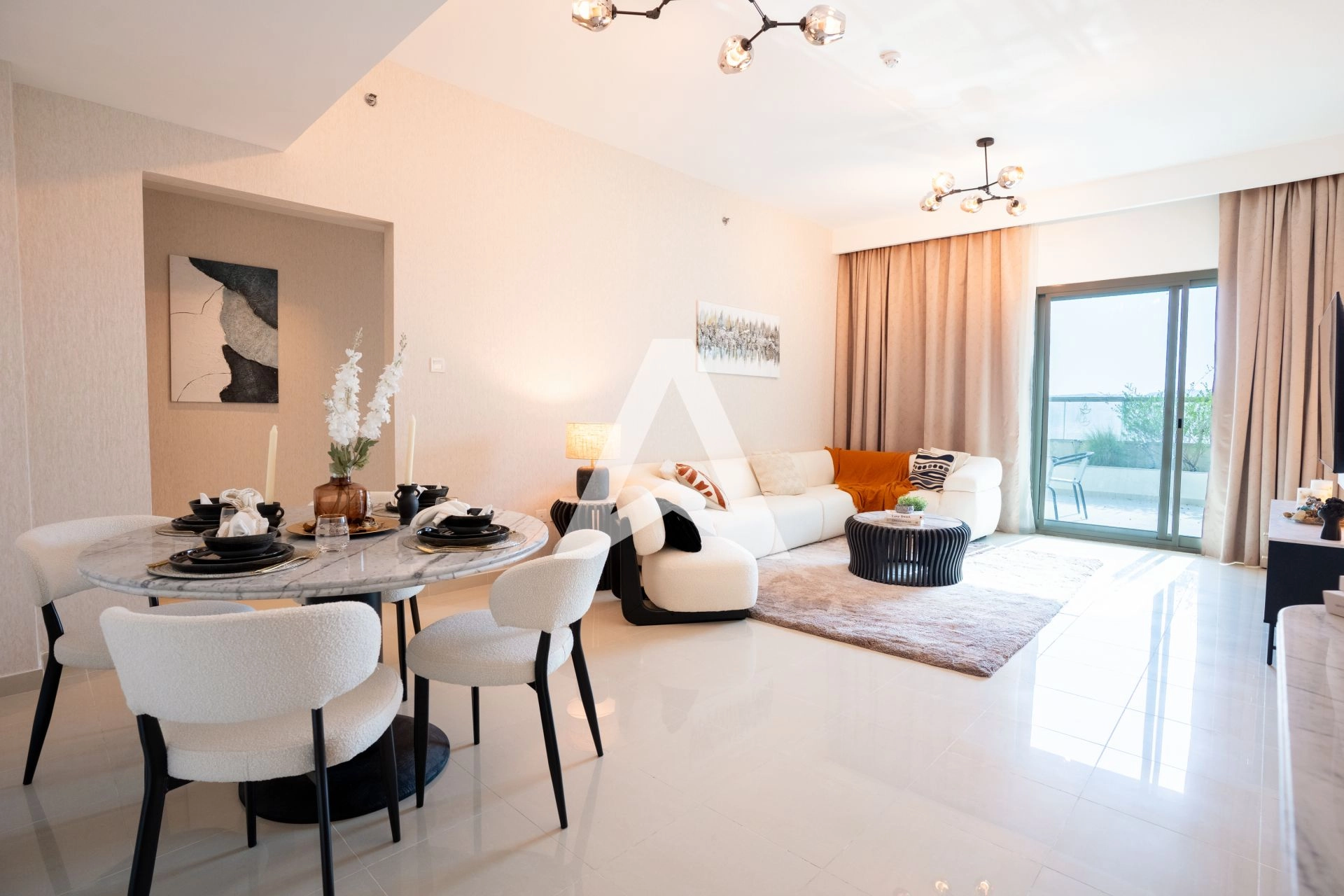
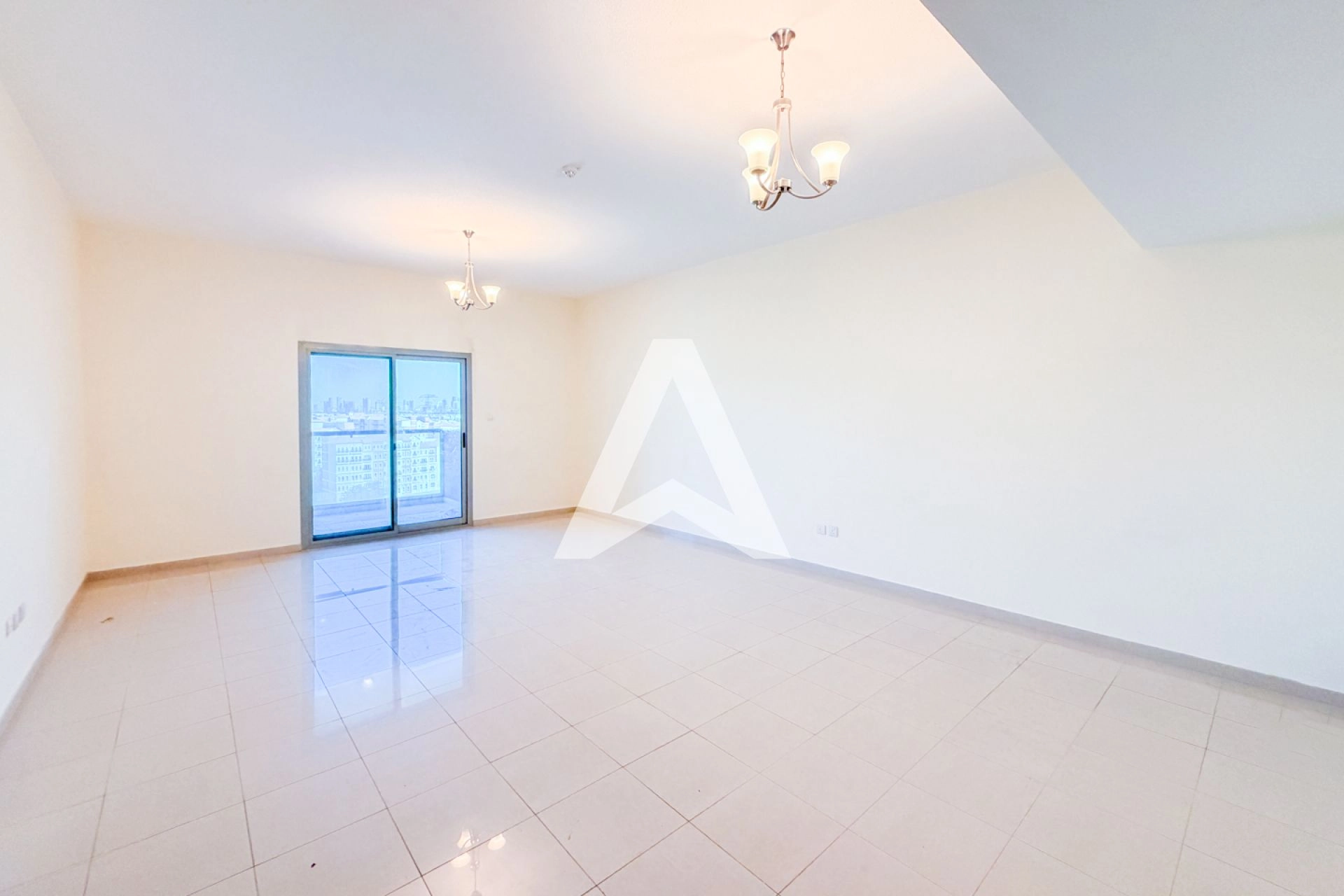
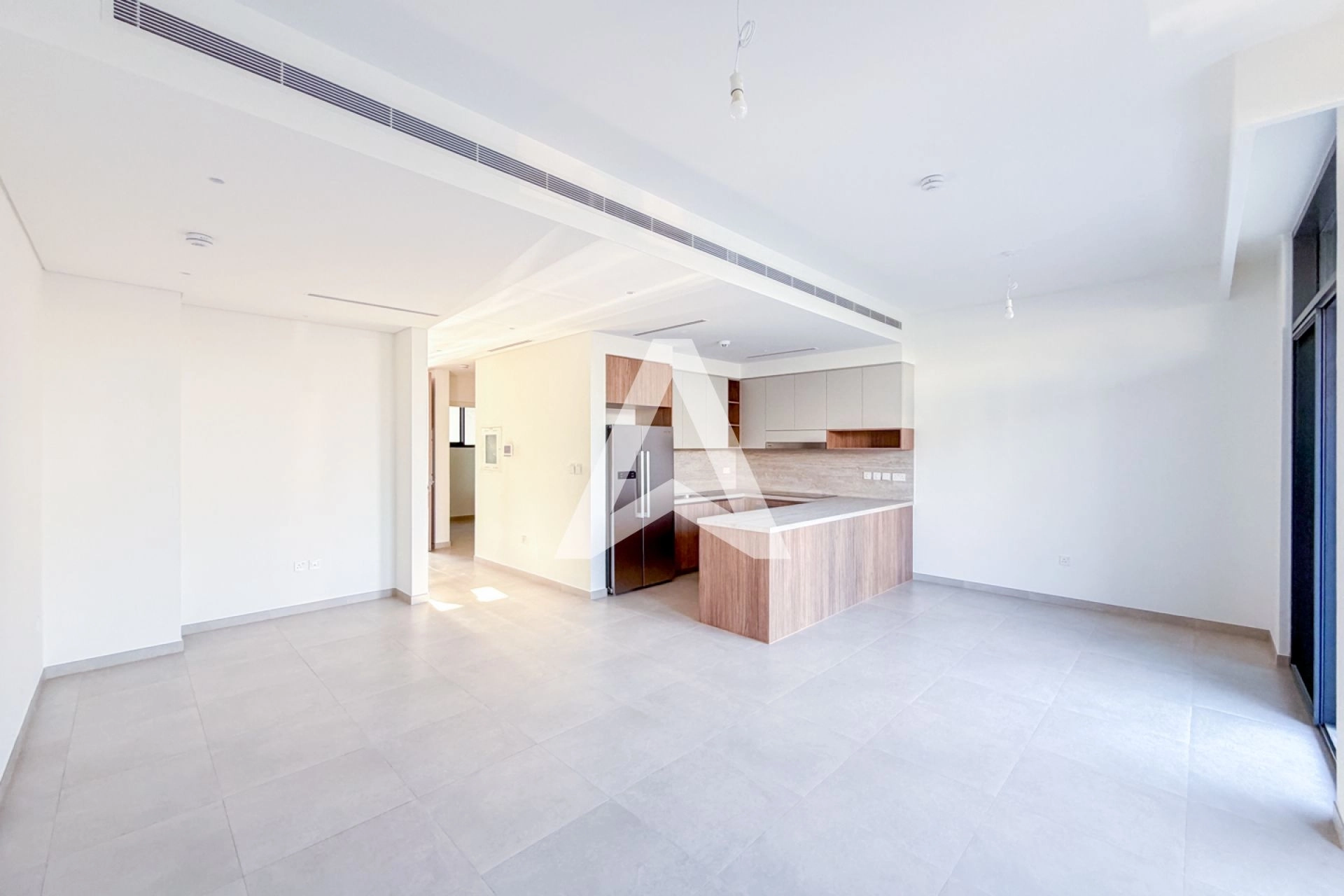
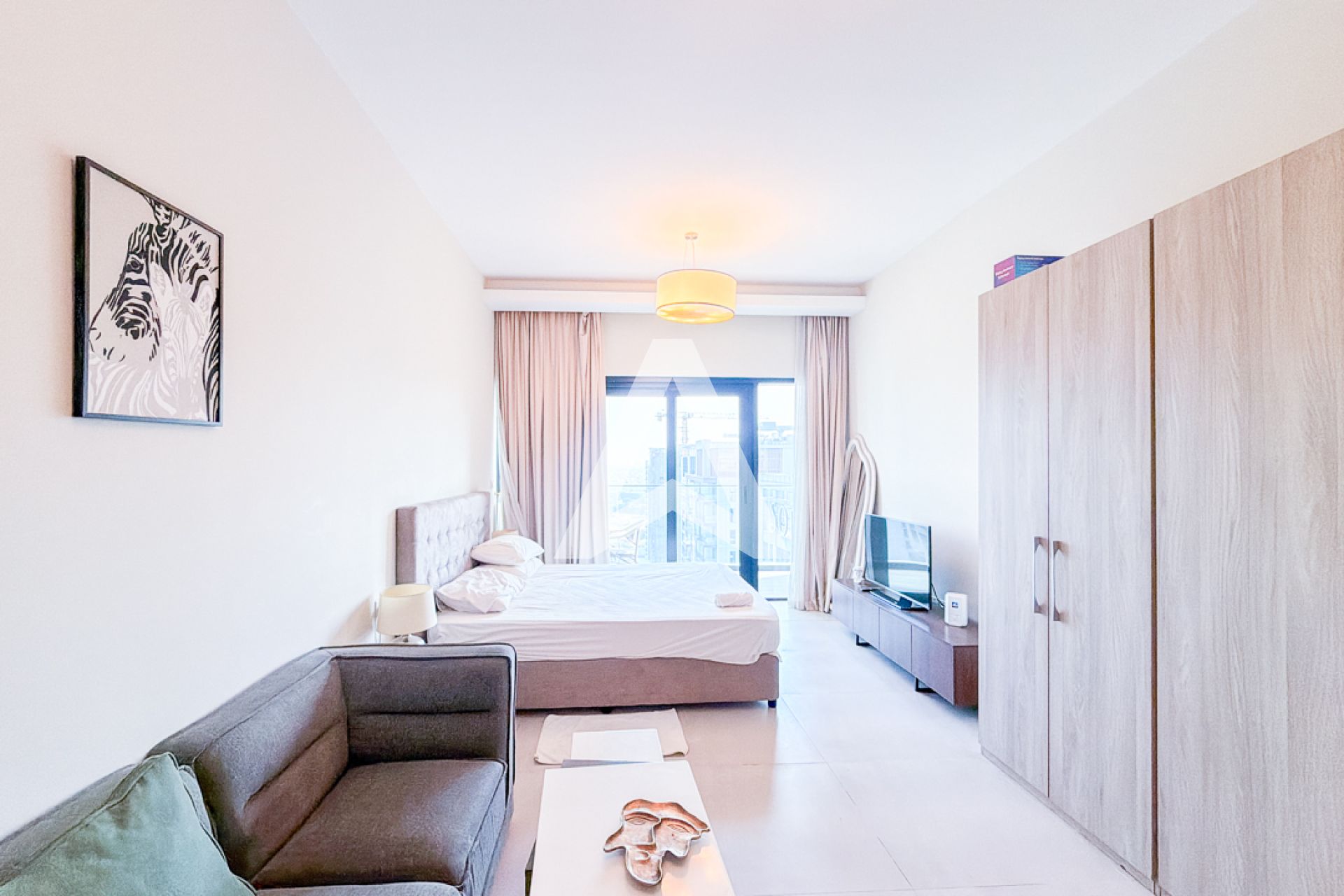
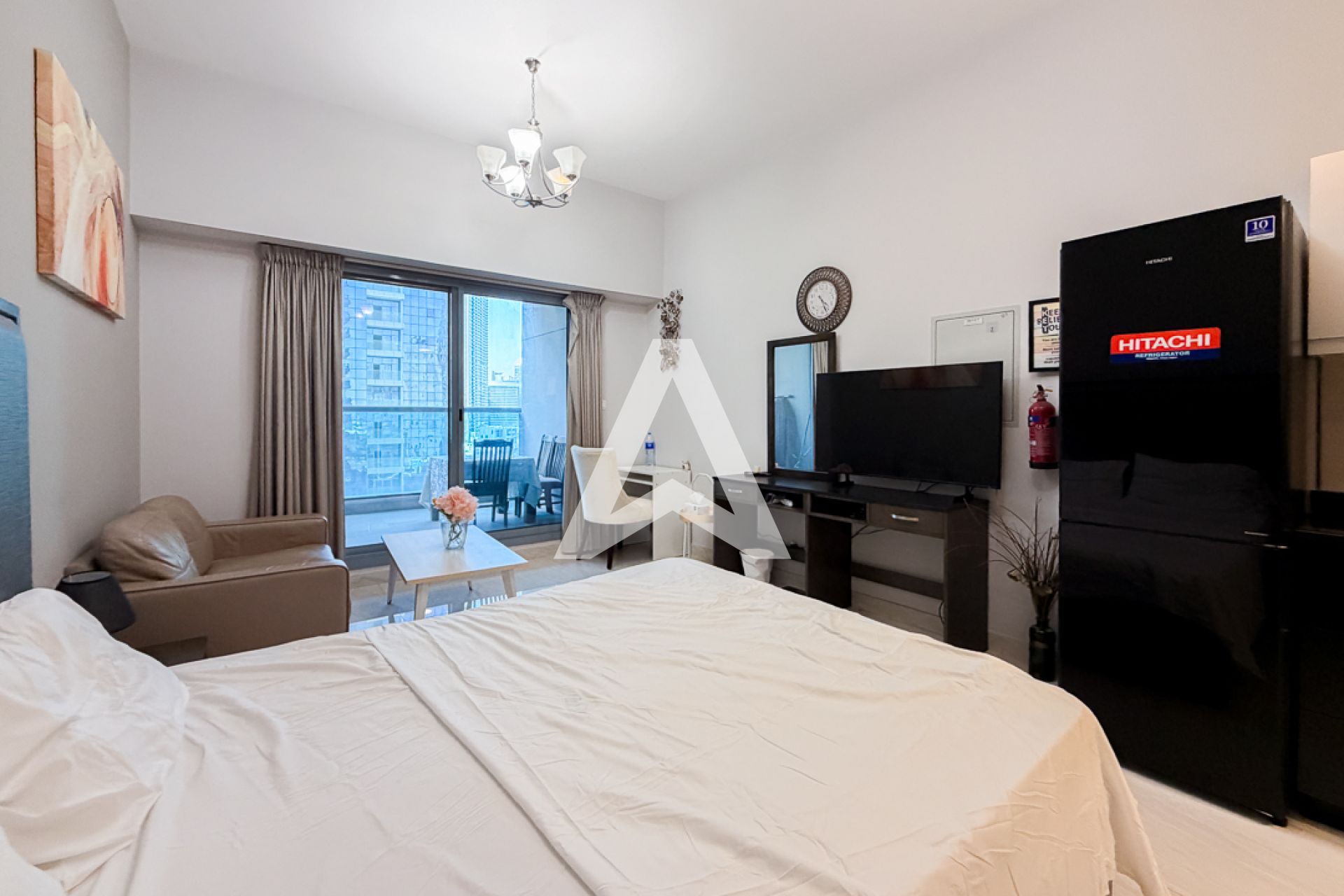
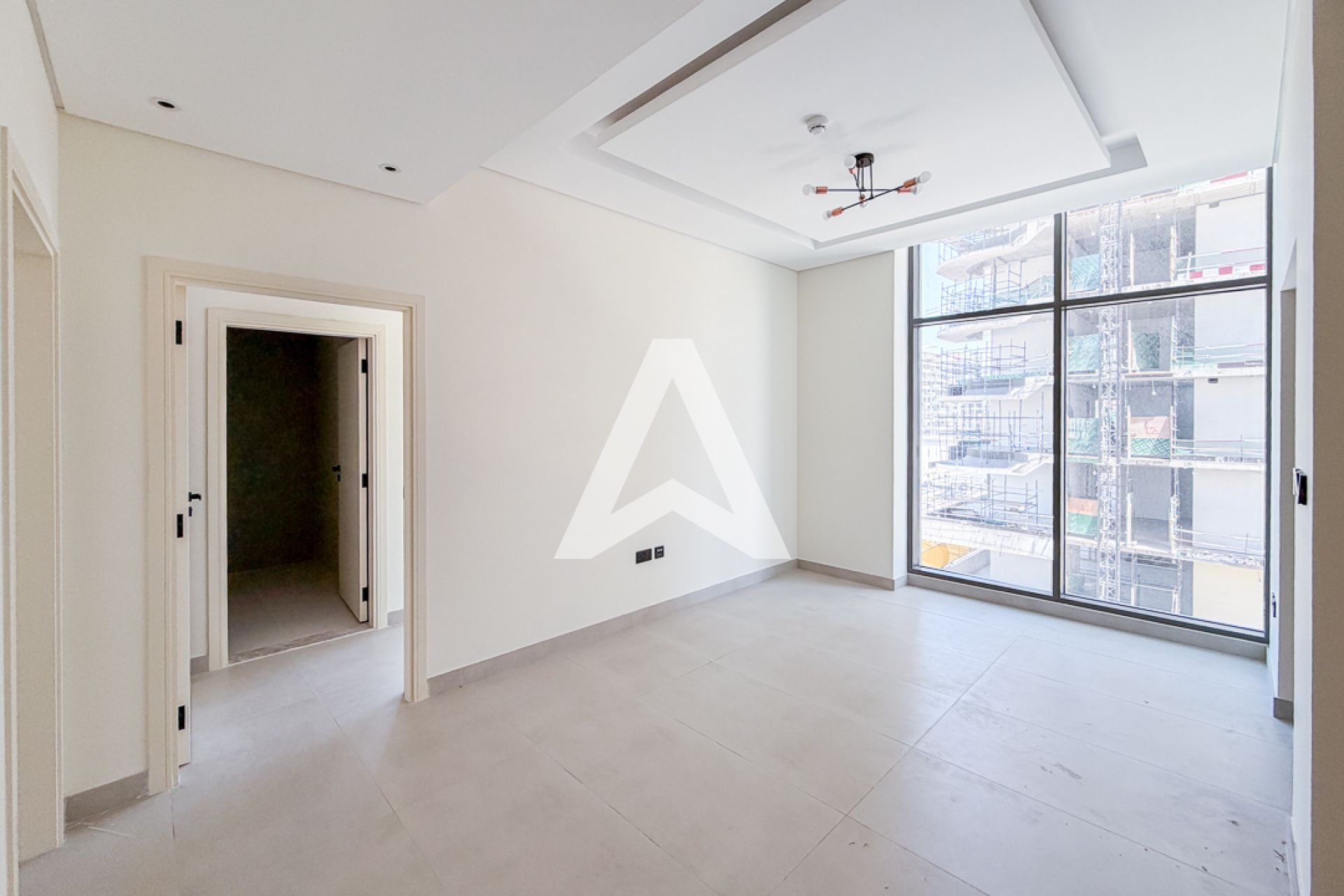
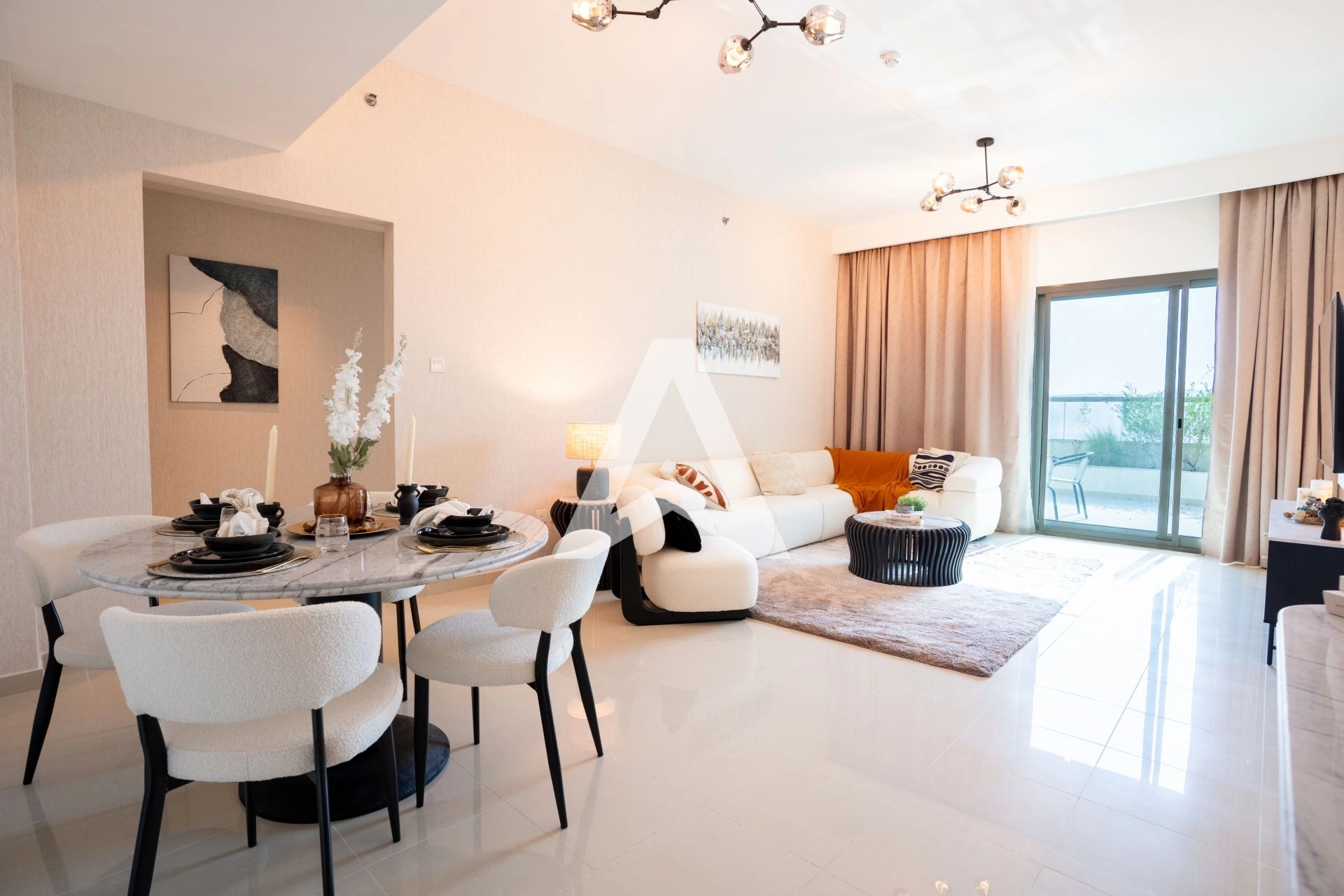
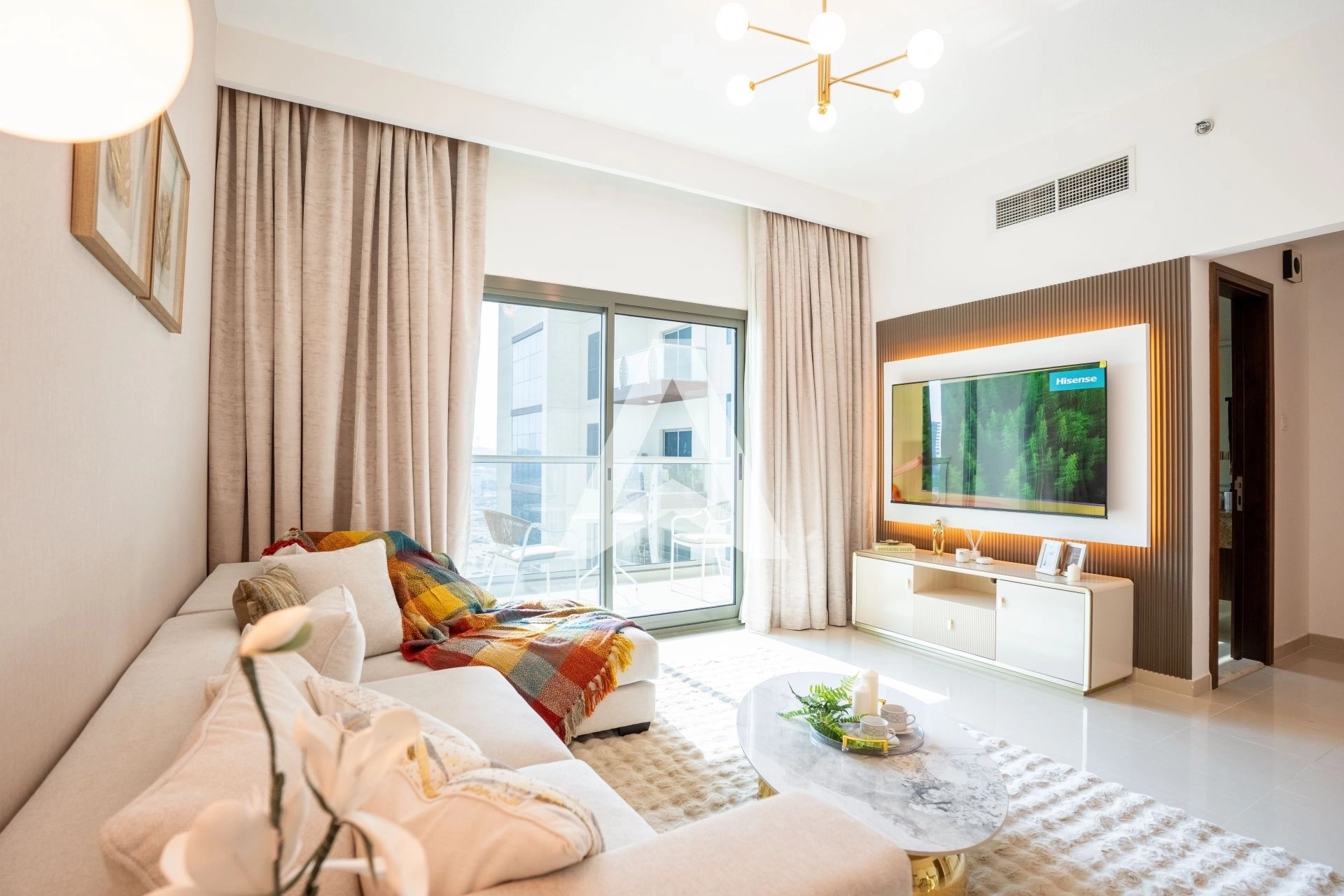
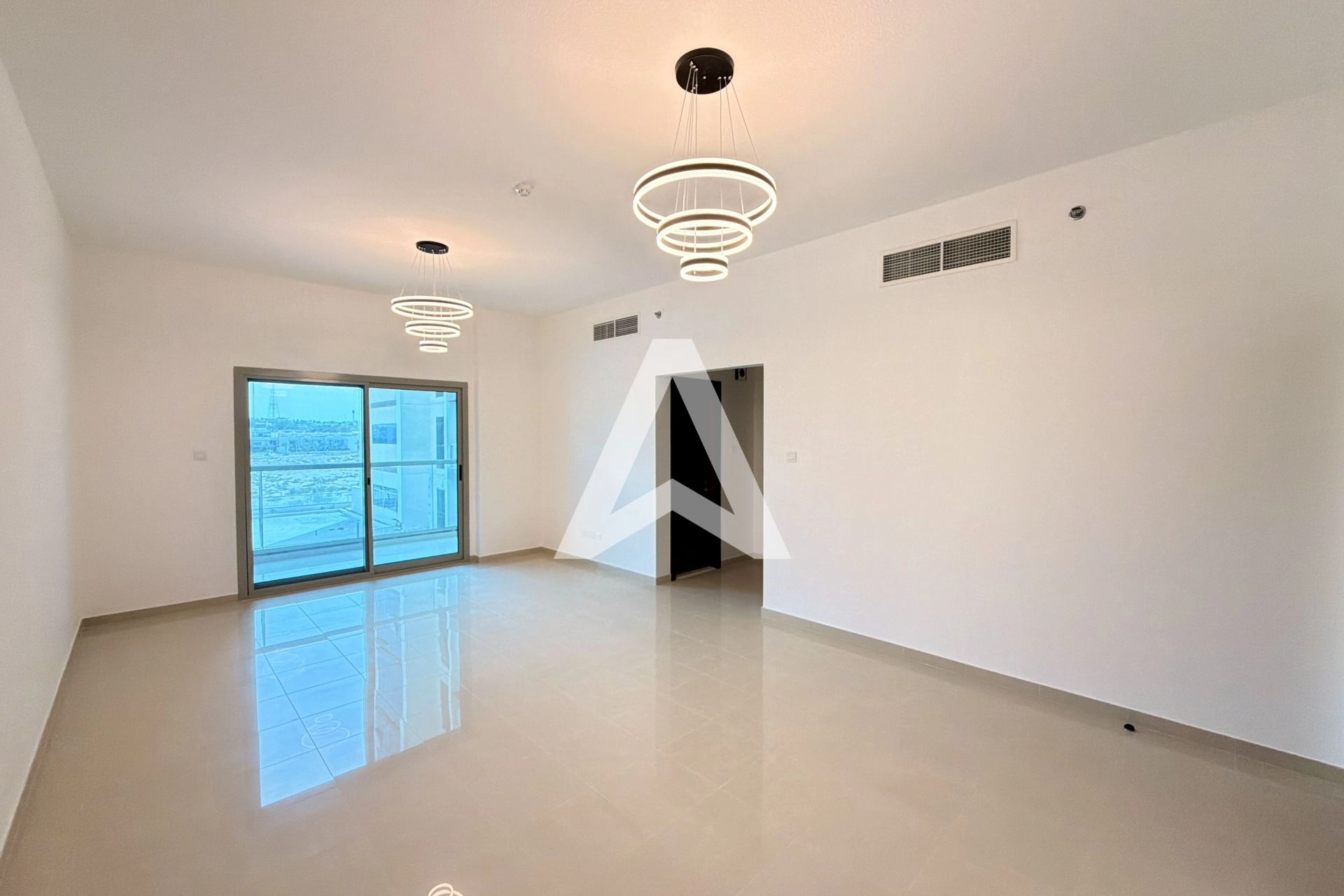
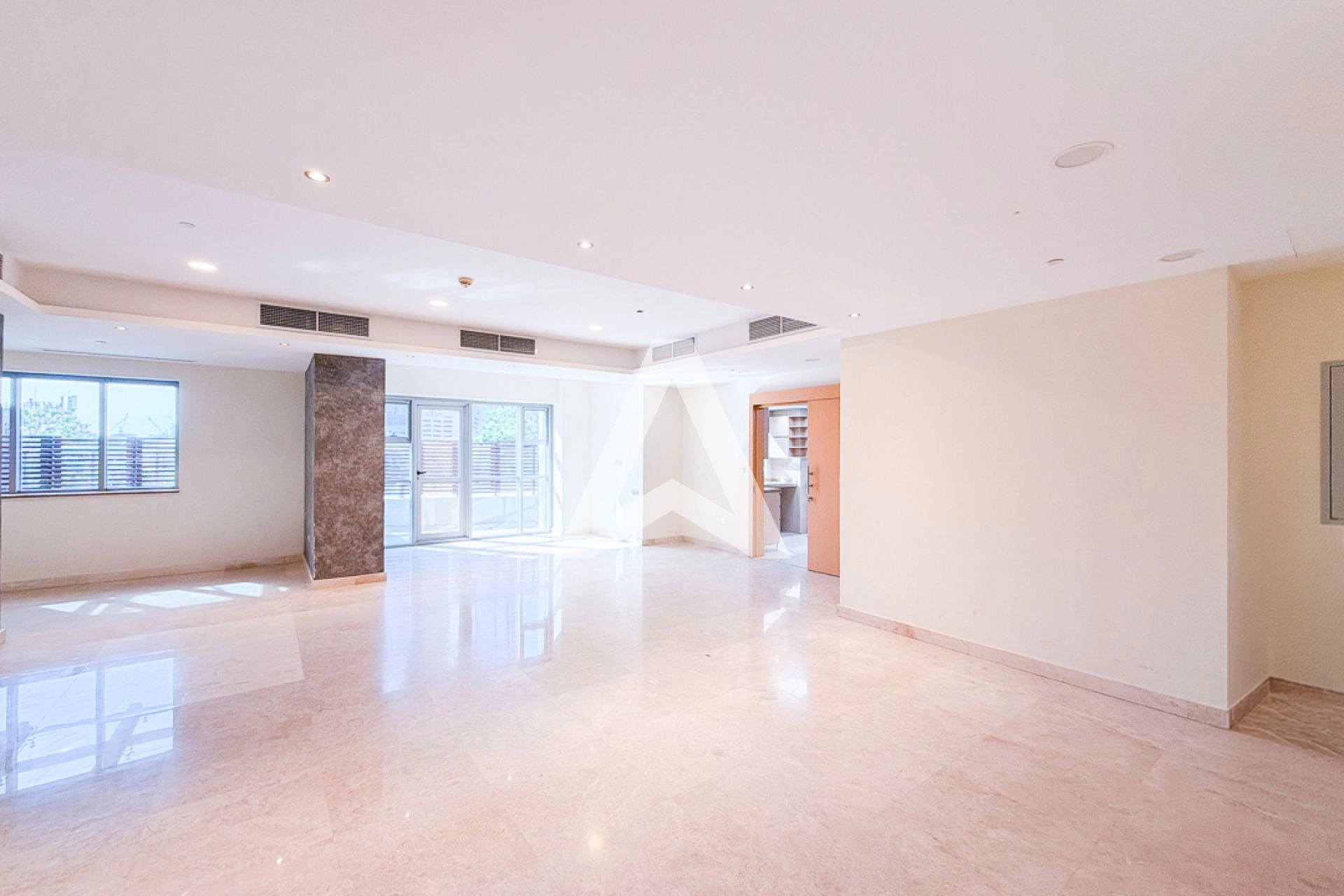
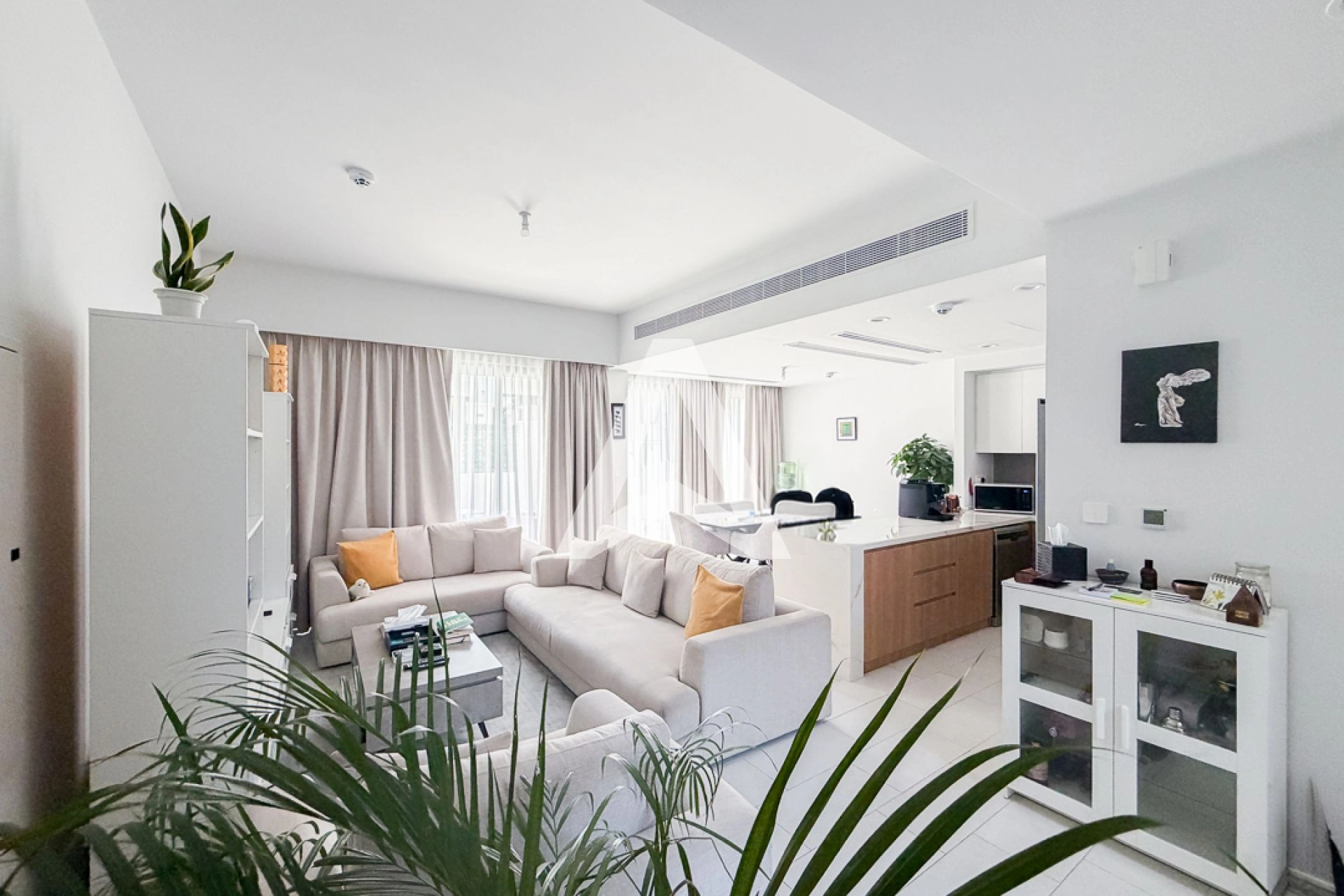
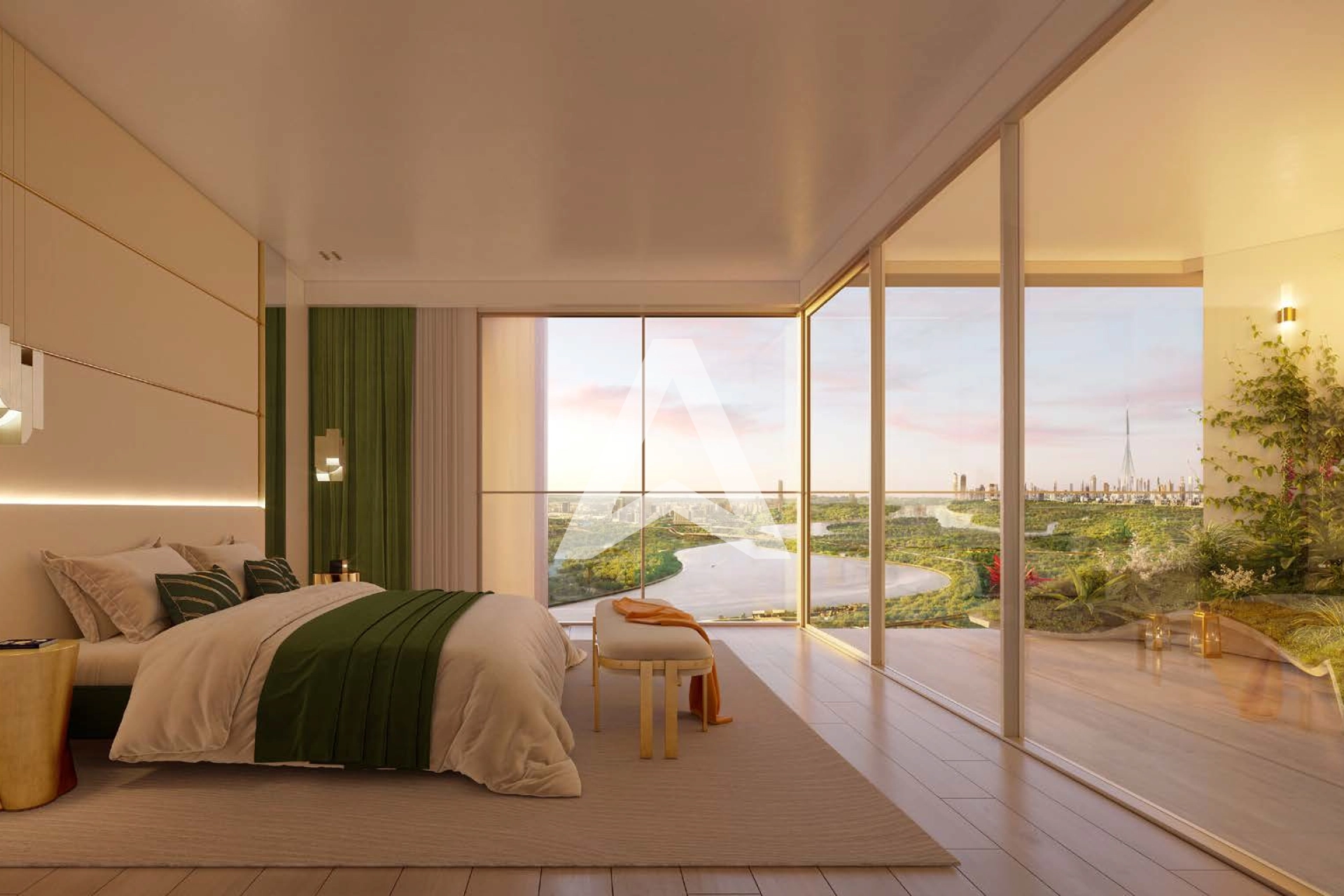

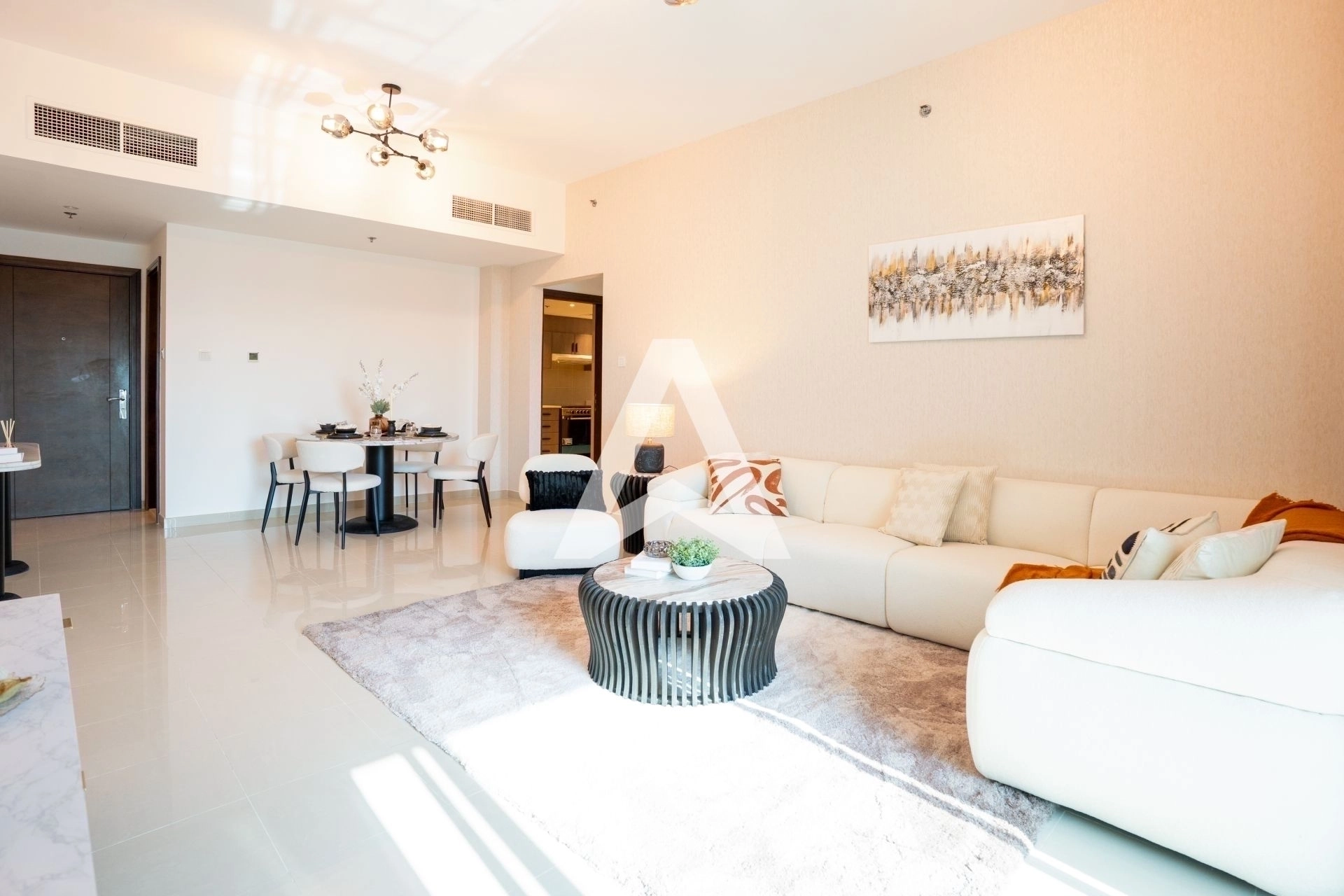
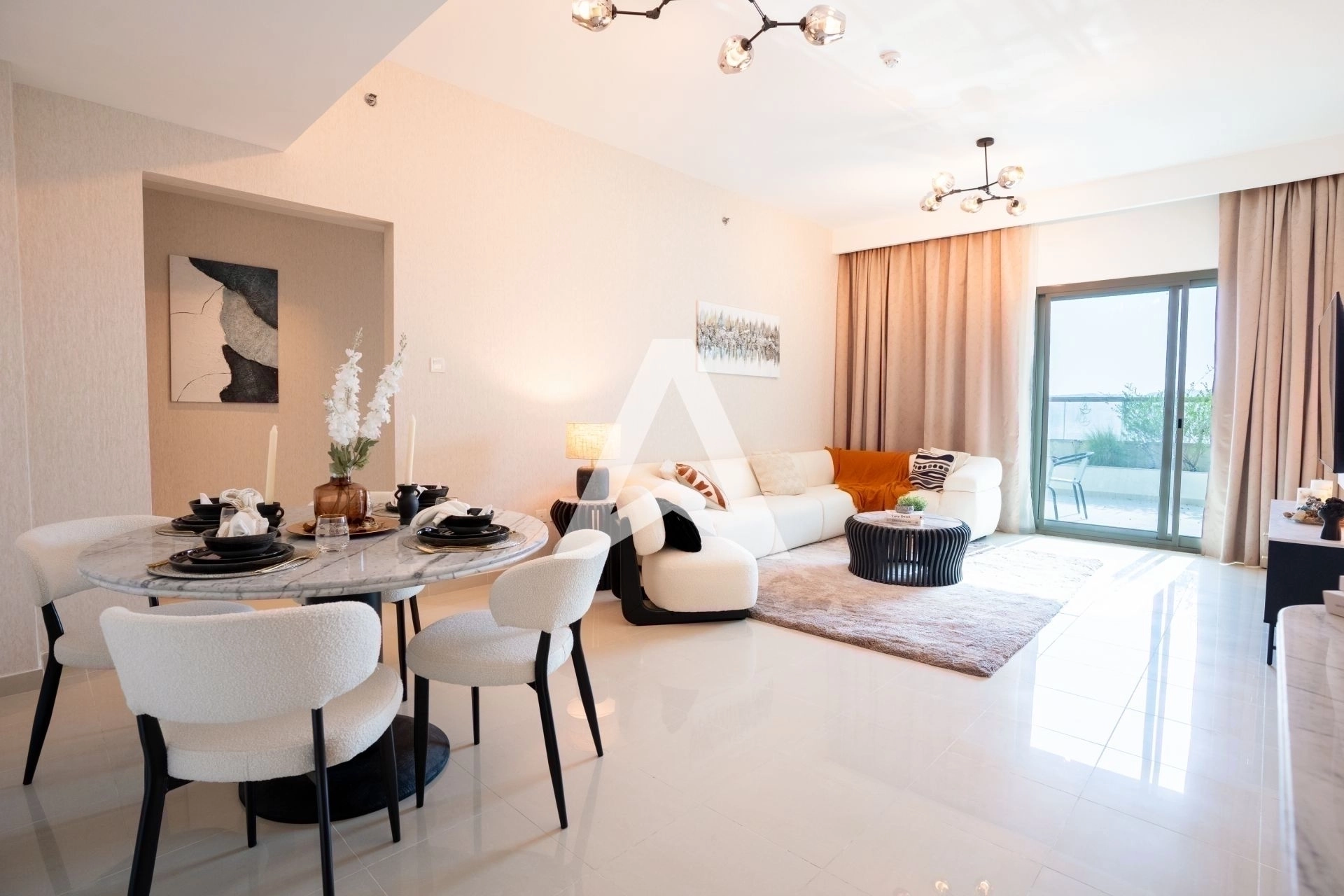
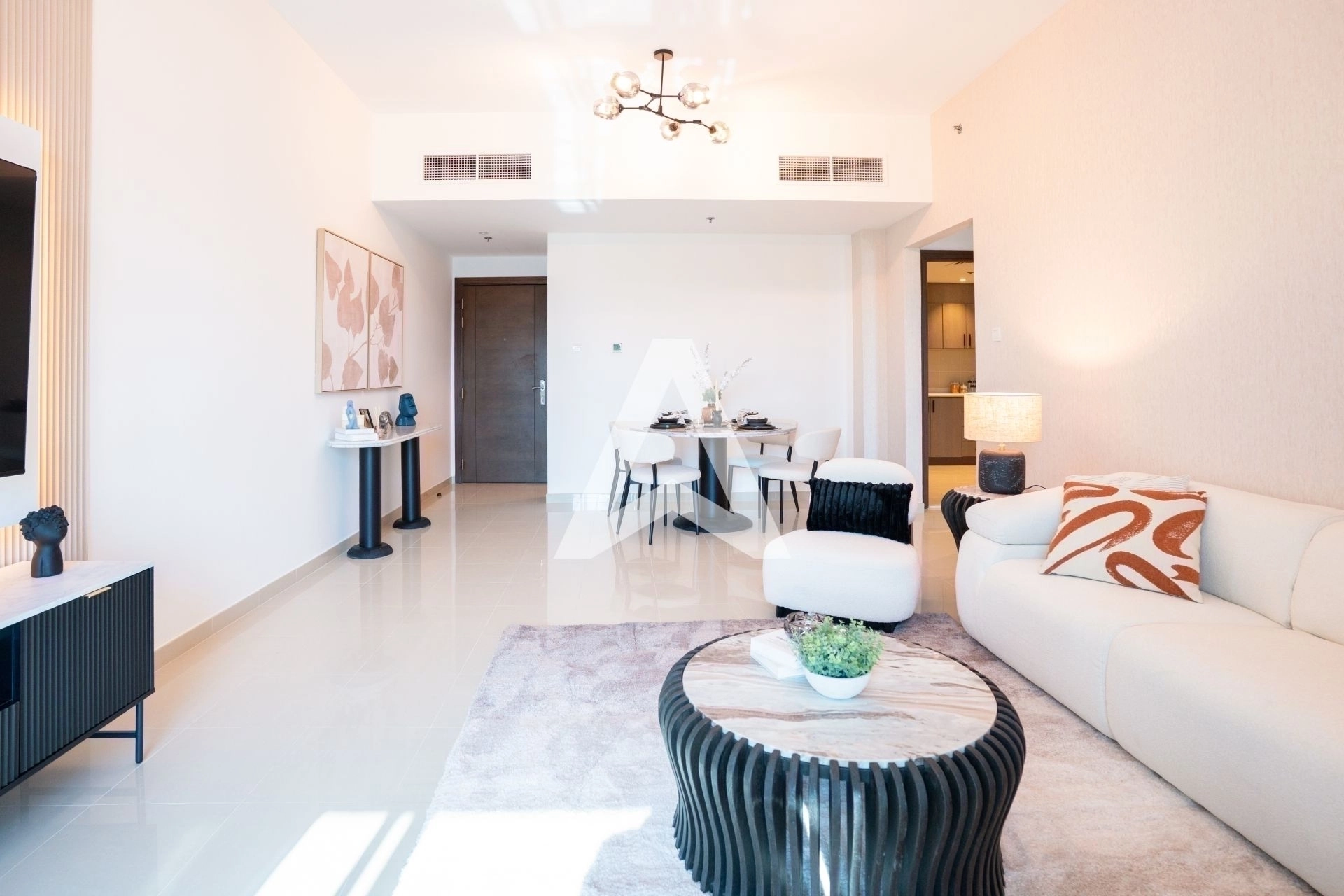
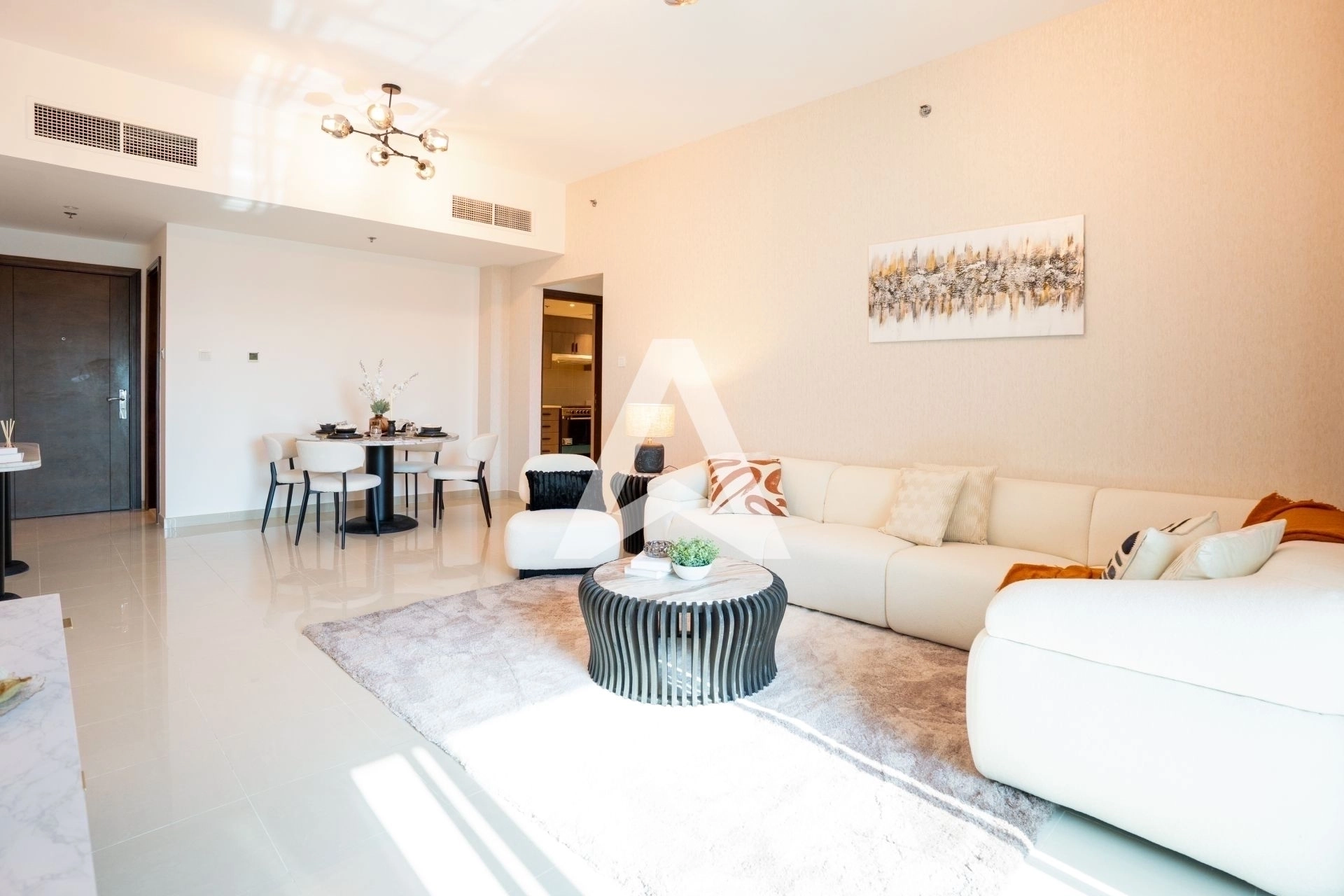
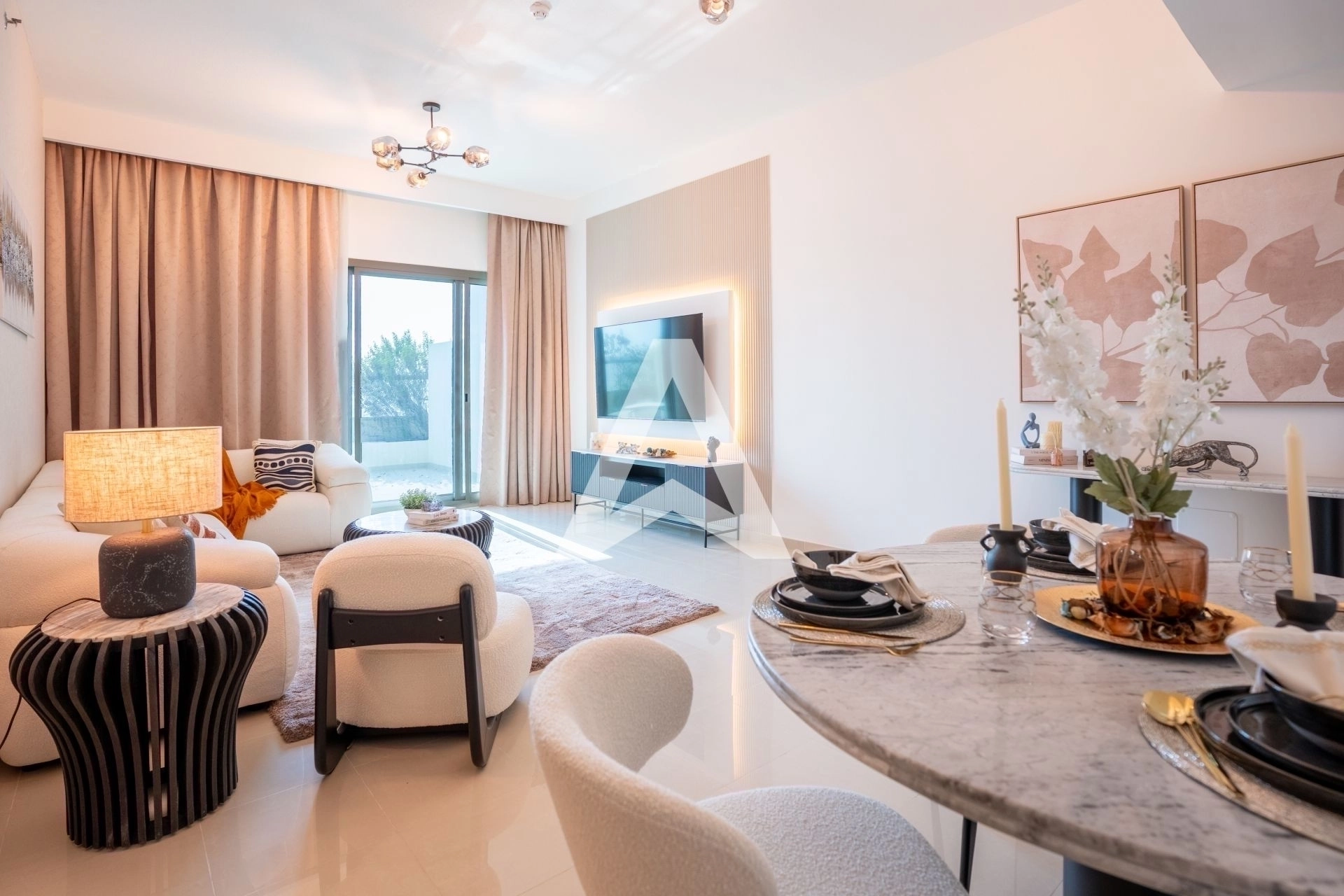
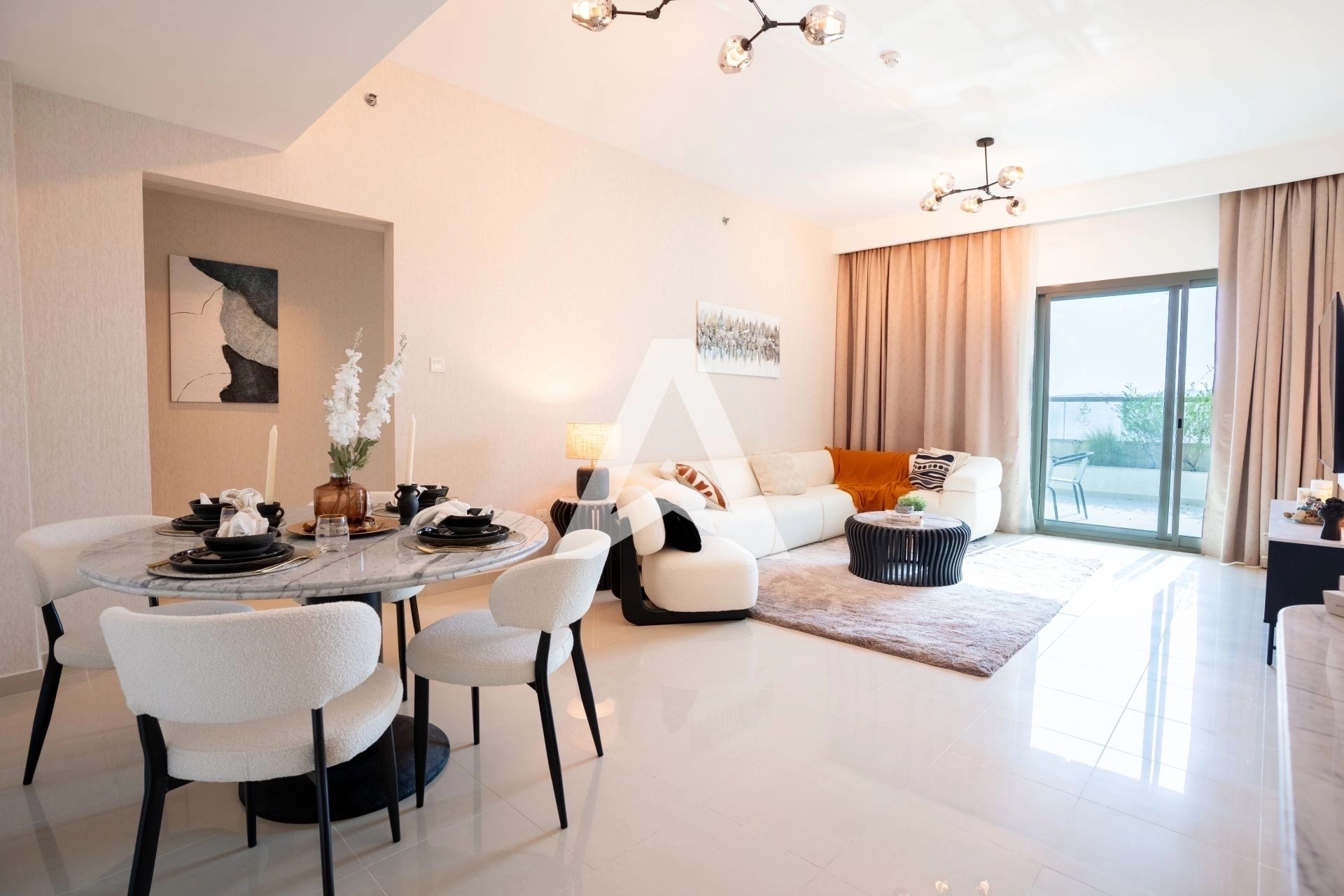
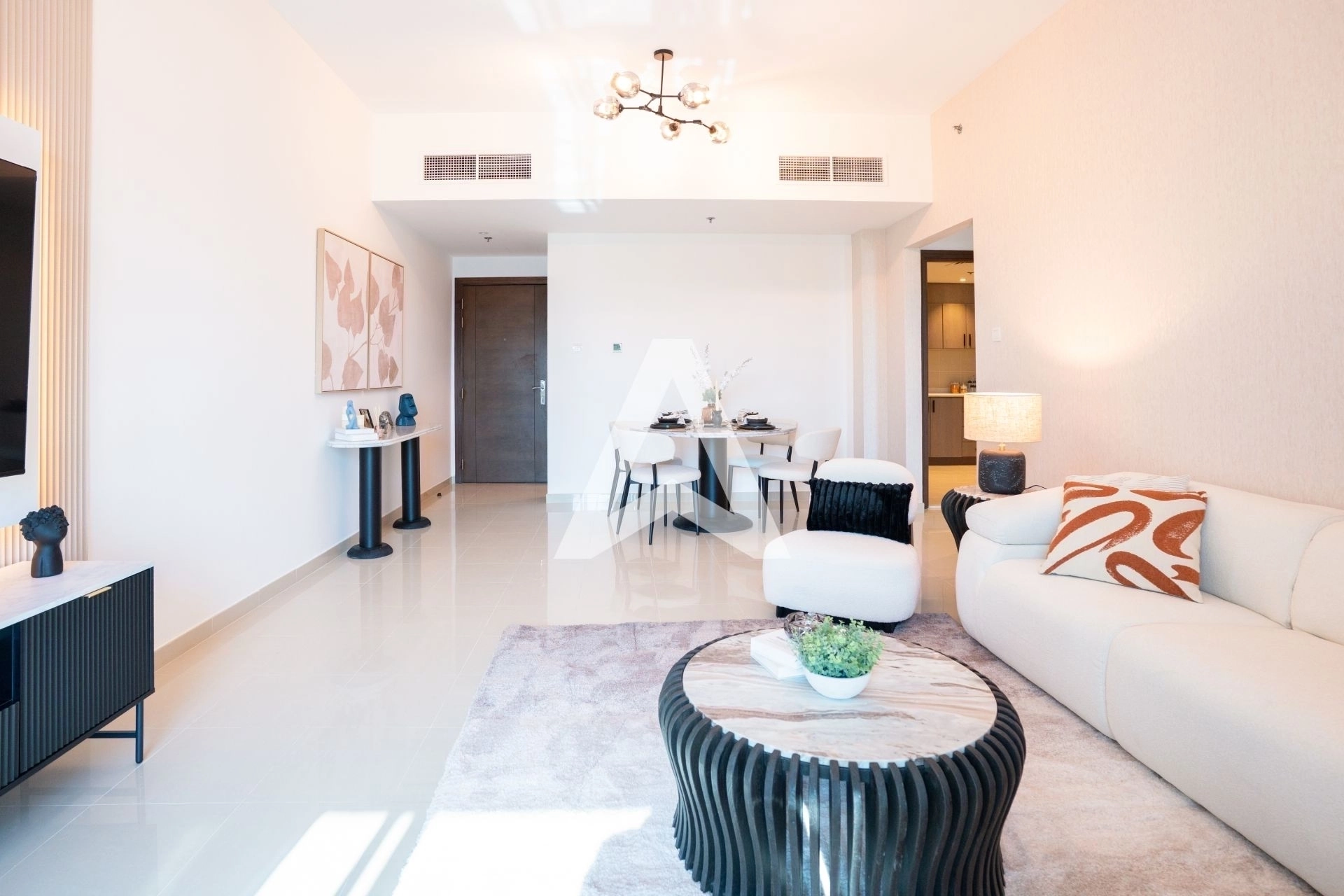


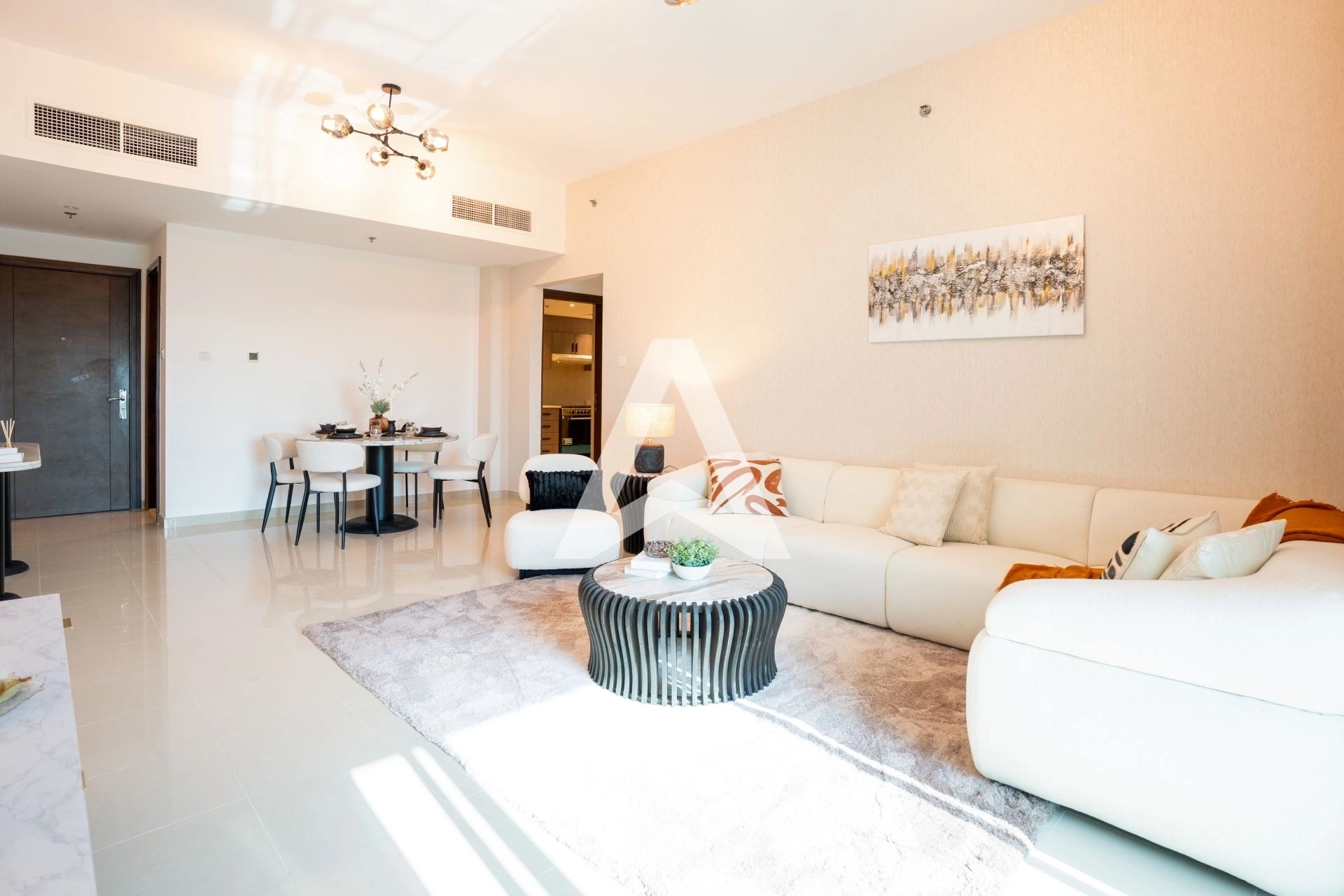


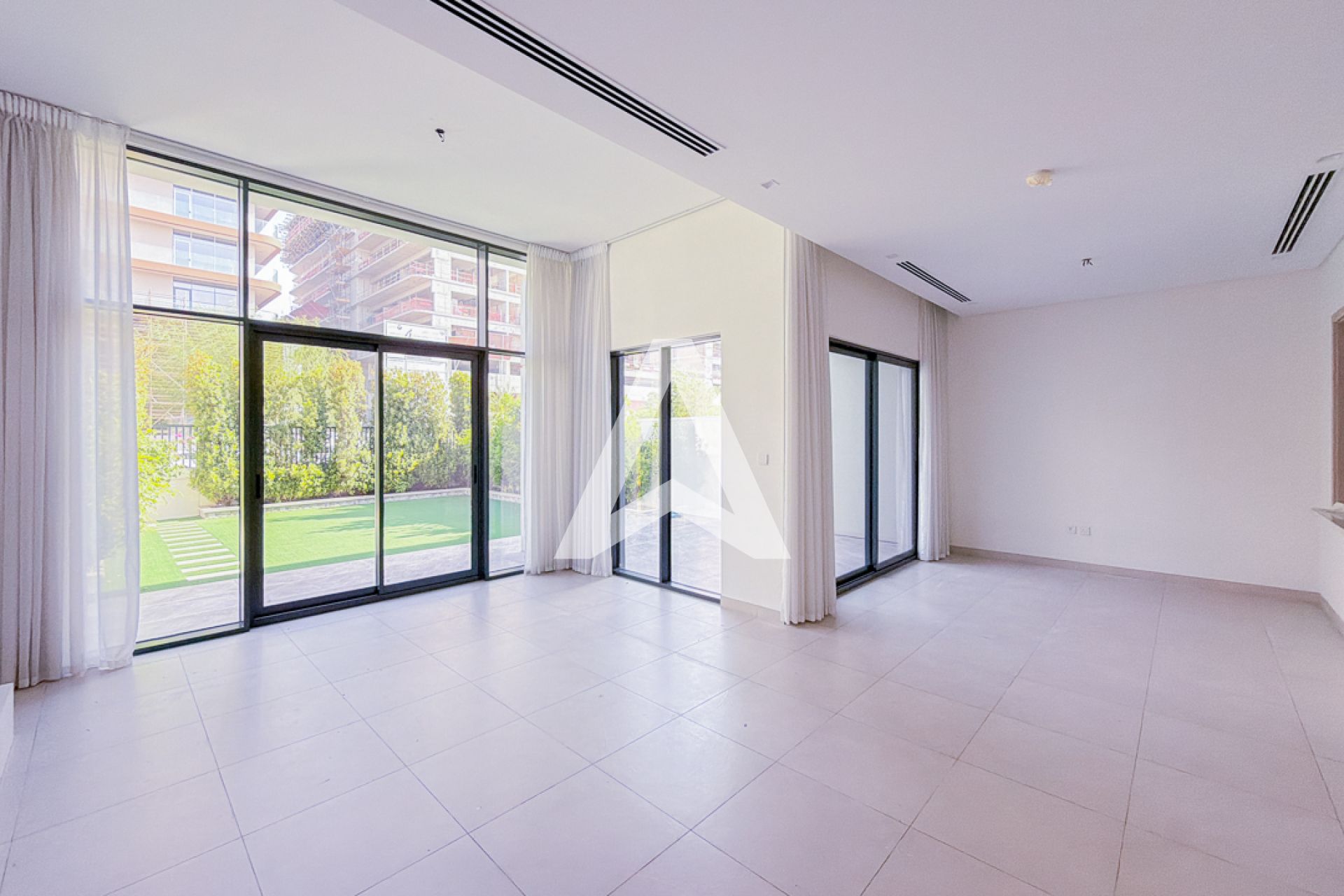
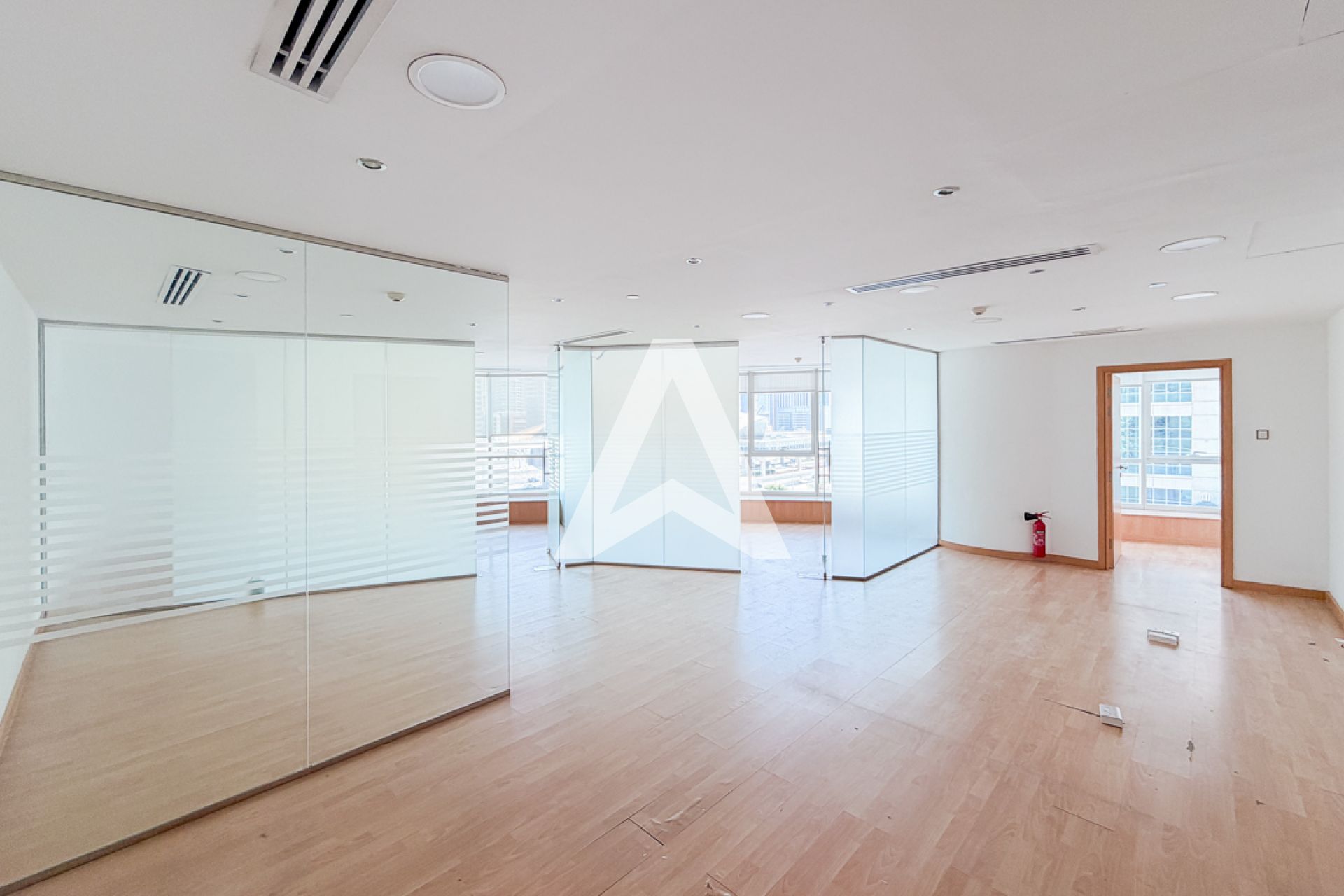
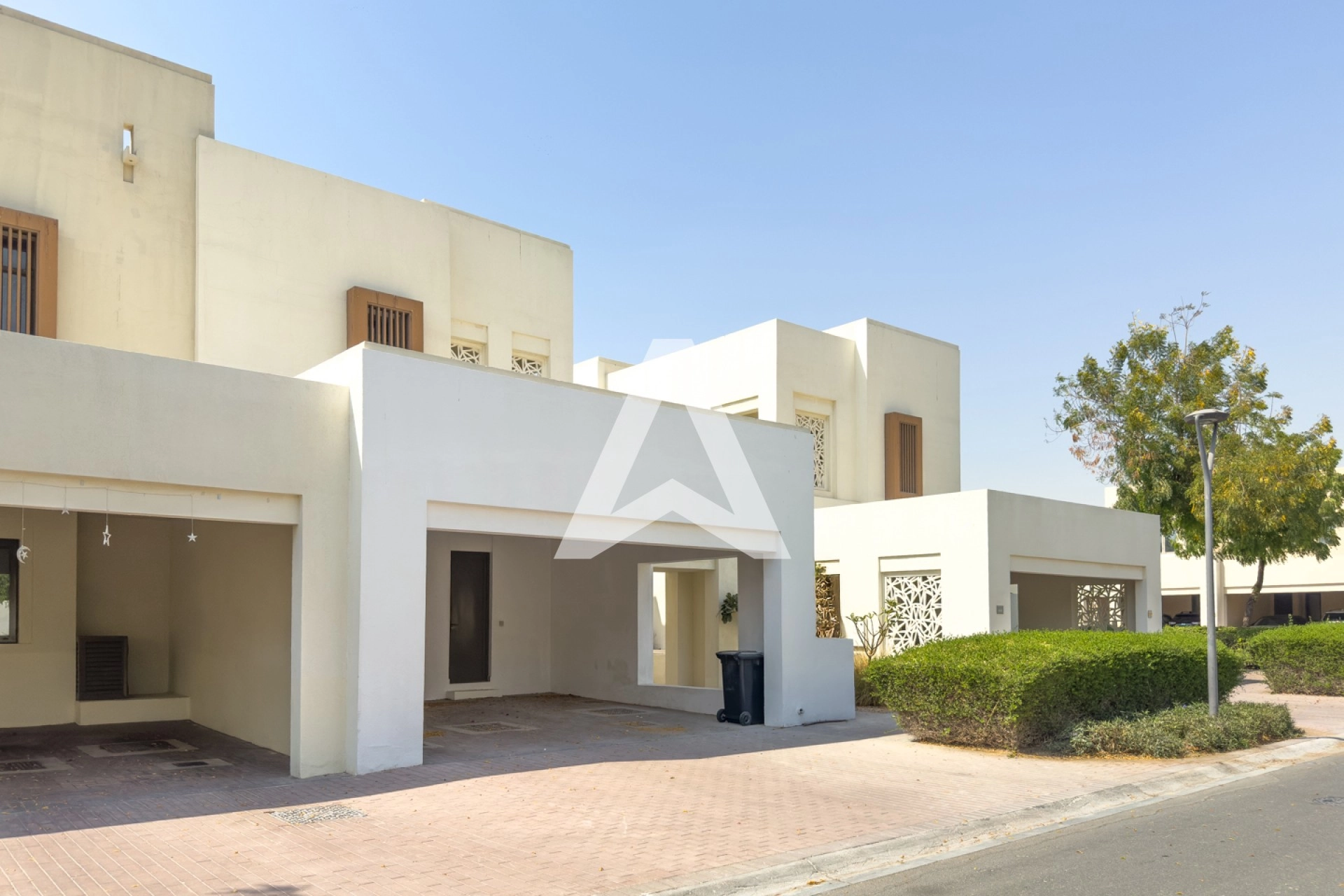
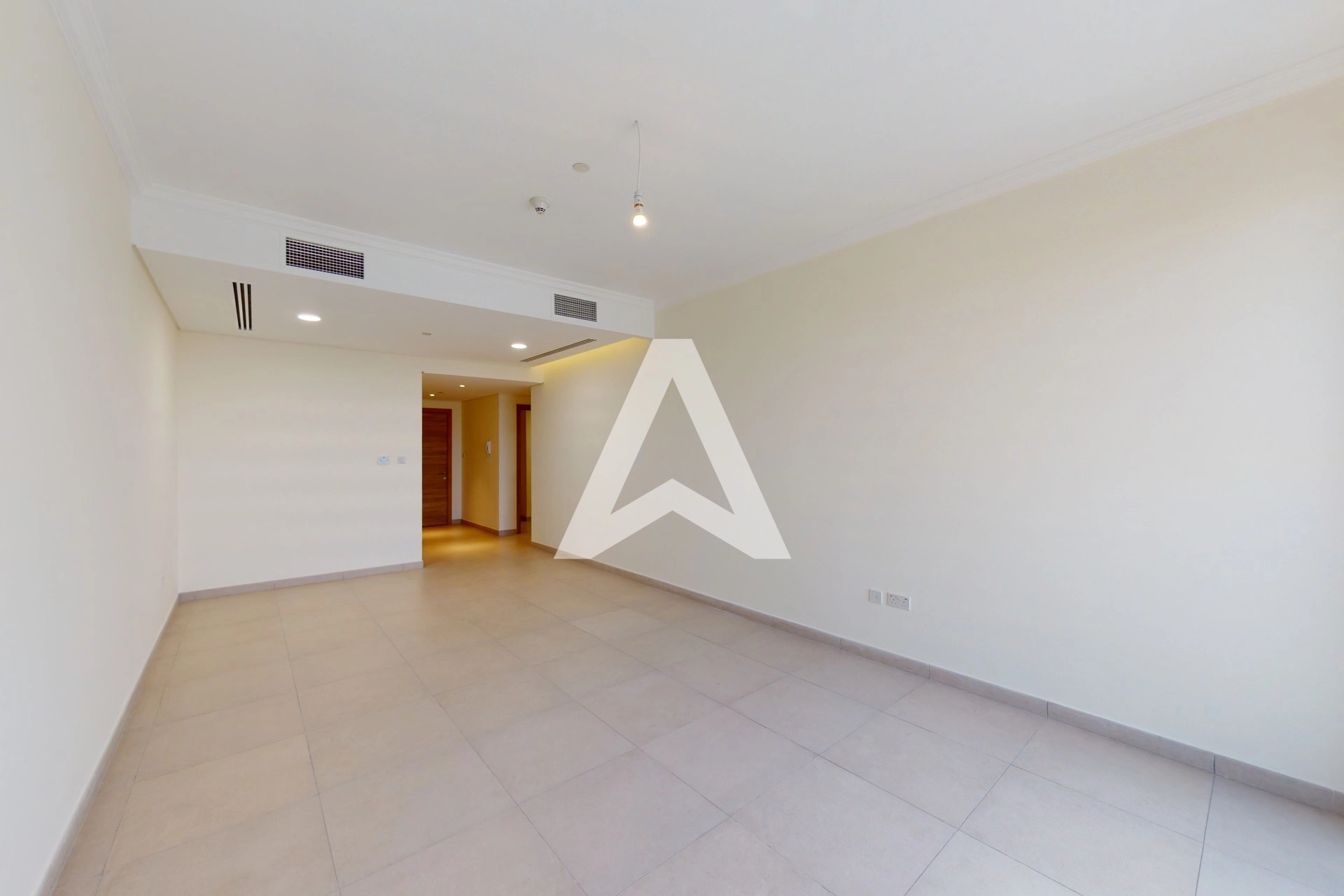
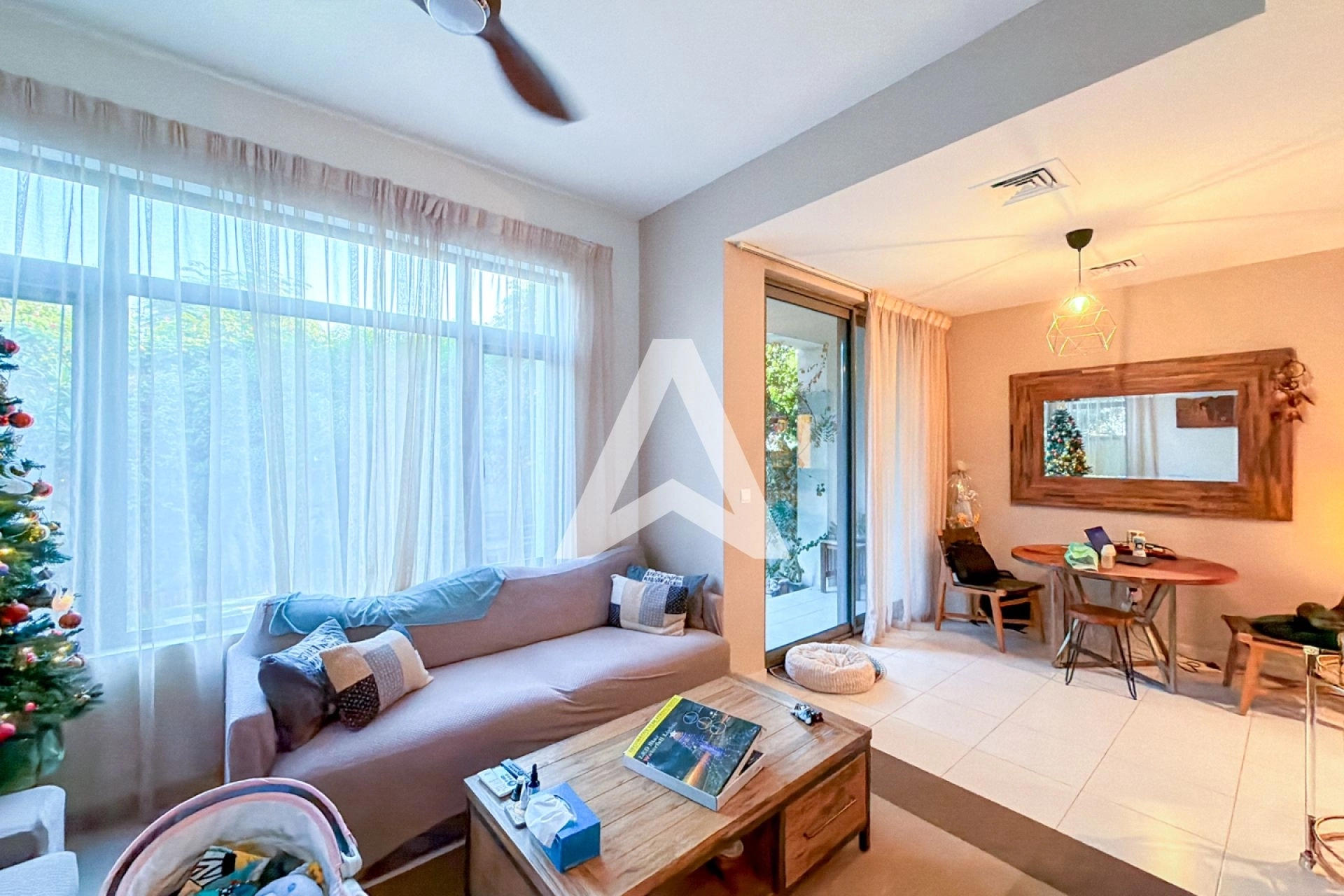
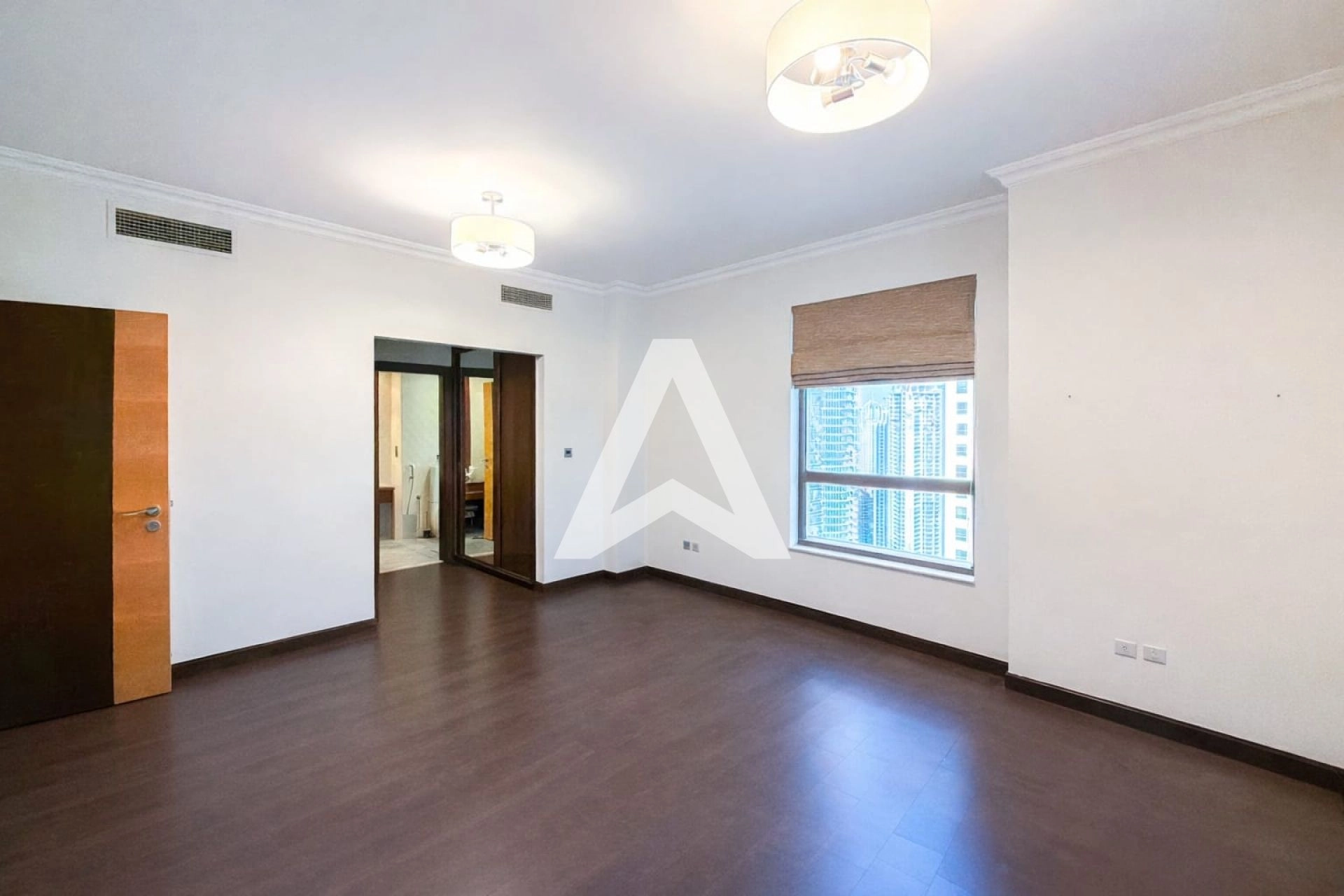
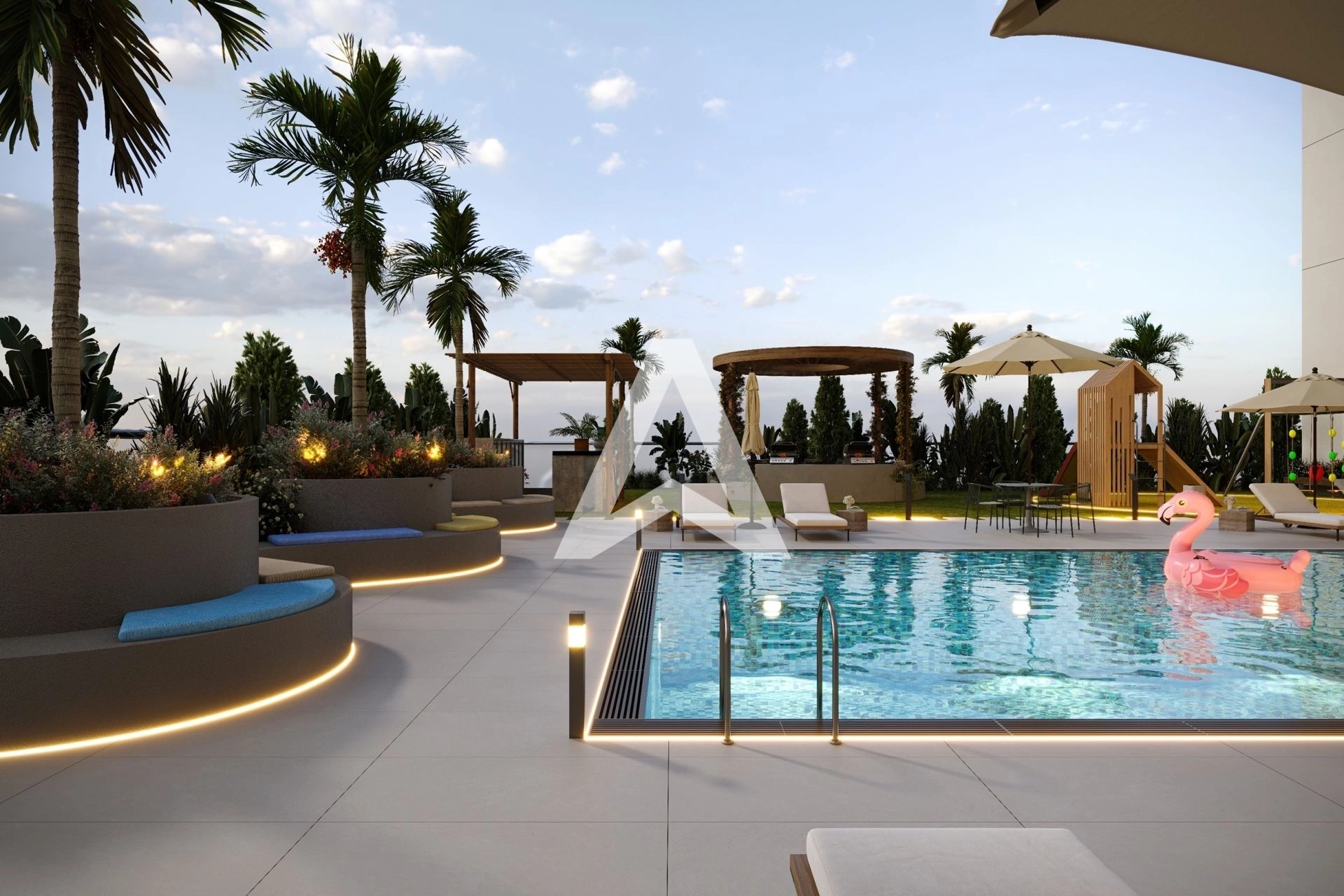
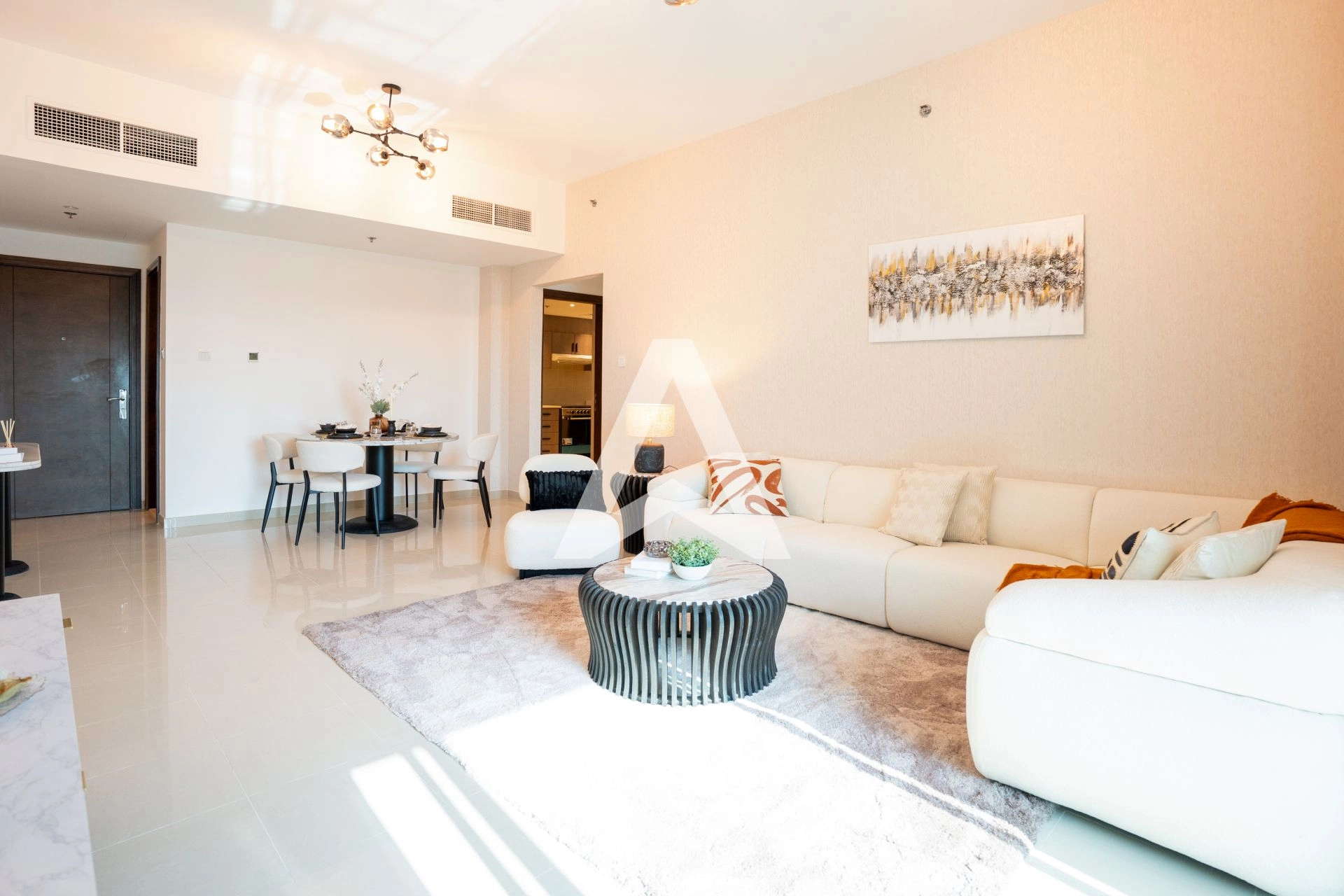

Smart leasing aligned with your brand and future plans.
Your business premises are about more than square footage – they're a reflection of your brand and a catalyst for growth. At Artha, we see our role as a partner in your property journey. Whether it's office or retail space, a new hotel, or state-of-the-art industrial facilities, we take the time to understand your business, listen to your goals, and provide expert advice – before matching you with the right property to power your vision.
Renter’s guide
You bring the investment.
We bring the insights.
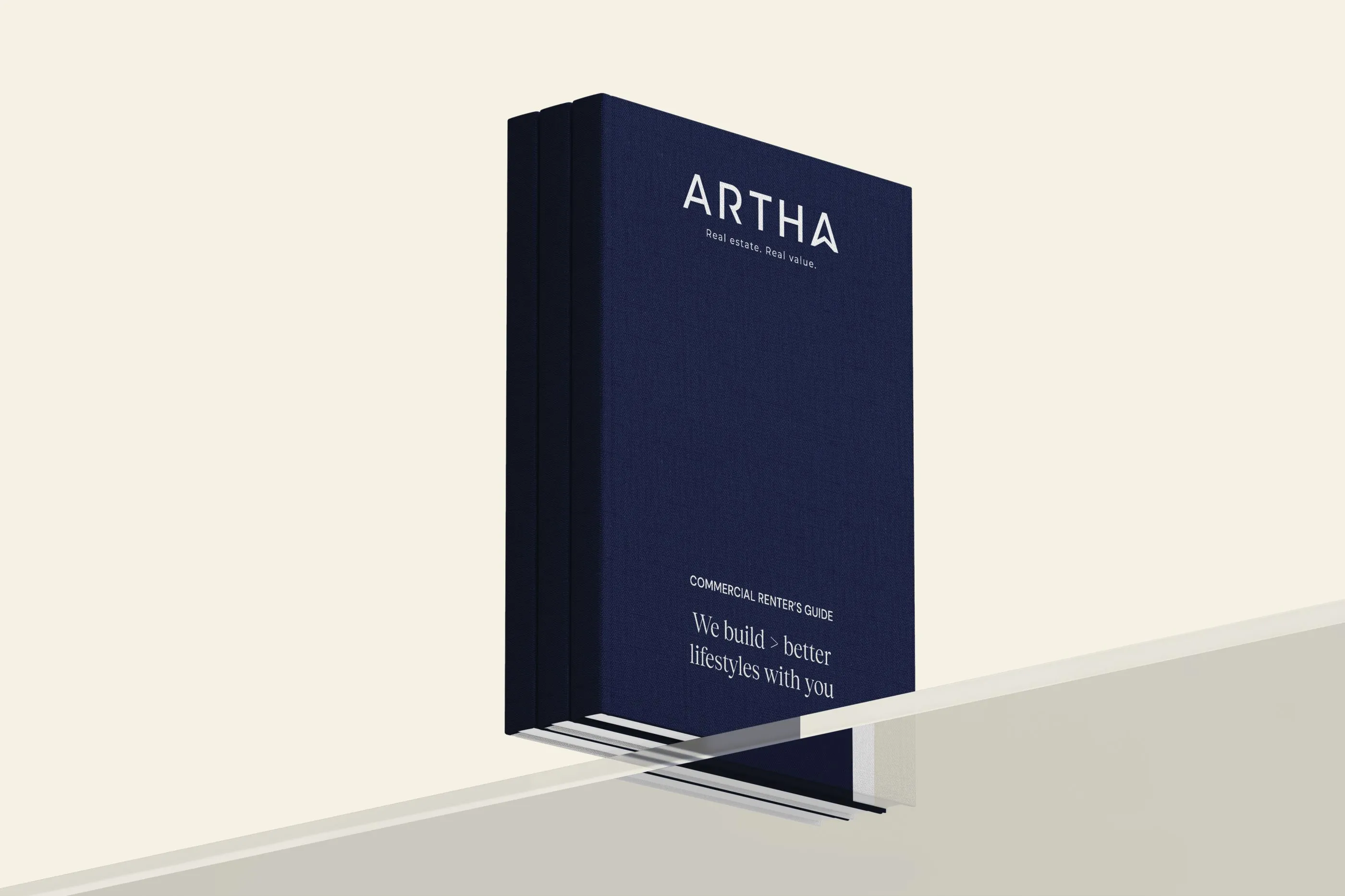
Renting the right commercial space can shape your brand and operations. Our Commercial Rent Guide simplifies key considerations — from lease terms to location insights — so you can choose a space that supports your business from day one.
Get in touch with us
FAQs
You can expect the following fees:
● Agency fee: Usually 5–10% of annual rent (negotiable)
● Security deposit: 5–10% of annual rent, refundable at end of term
● Ejari registration fee: AED 220
● VAT: 5% applies to most commercial leases under Federal Decree-Law No. 8 of 2017(VAT Law)
Sources: Dubai Land Department – Fees Schedule, Federal Tax Authority – VAT Law
Yes. Every commercial property in Dubai has a zoning classification (office, retail, industrial, etc). set by the Dubai Municipality’s Urban Planning Department. Your business activity must match the zoning code on your DED trade licence. If you operate outside the approved zoning, you could face licence suspension or even eviction.
Source: Dubai Municipality – Urban Planning & Building Permits
Companies need:
● Valid trade licence and UAE establishment card.
● Passport copies and Emirates IDs of authorised signatories.
● Memorandum of Association (MOA).
● Power of Attorney (if applicable).
● Signed lease agreement and Ejari registration form. Individual traders need:
● Copy of professional or commercial licence (if applicable).
● Emirates ID and passport copy.
Source: Ejari Requirements – DLD
Under Law No. 26 of 2007 and Law No. 33 of 2008 (Amendment):
● Landlord’s duties: To deliver a usable, compliant space, maintain building integrity, and ensure utility access.
● Tenant’s duties: To use the property only for licensed activities, obtain DED and civil defence approvals, and maintain cleanliness and safety standards. Breaches by either party can be resolved through the RDSC.
Sources: RERA Tenancy Law – DLD, Rental Dispute Settlement Centre
Commercial rents follow market value and location, but rent increases are regulated by RERA’s Commercial Rent Index.
● Rent can only be increased within the limits set by the index
● Both sides must receive 90 days’ notice before any rent change This system keeps rent adjustments fair and in line with the market
Source: RERA Rental Index – Dubai REST App
Commercial leases are typically signed for one to five years, depending on what both parties agree to. Renewal terms, exit clauses, and rent escalation should be clearly stated in the contract. If neither party gives notice before the lease expires, the contract automatically renews on the same terms, as outlined in Law No. 26 of 2007 (Regulating Landlord-Tenant Relationships).
Source: Law No. 26 of 2007 – RERA
Registration is mandatory for all mainland commercial leases in Dubai. Ejari records lease details in the RERA-approved tenancy database, ensuring legal validity. Ejari enables:
● Business licence renewals with DED.
● Electricity, water, and telecom connections.
● Legal recourse through the Rental Dispute Settlement Centre (RDSC).
Source: Dubai Land Department – Ejari Registration
Yes. Both UAE-based and foreign-owned entities can lease commercial space in Dubai, as long as they hold a valid trade licence.
● Mainland companies lease property under the Dubai Economic Department (DED) framework.
● Free zone companies lease space within their respective free zones and follow that authority’s rules (e.g., DIFC, DMCC, DAFZA). If located outside a free zone, all commercial leases must be registered with the Dubai Land Department’s Ejari system.
Sources: Dubai Land Department – Ejari Services, Dubai DED – Business Setup Guide
In most cases, the tenant pays:
● Agency fees (usually 5% of annual rent)
● Ejari registration fee (AED 220) Some developers or landlords cover these costs in promotional offers, but legally the responsibility can be negotiated and must be stated in the lease.
Source: Dubai Land Department – Service Fees
Individuals need:
● Passport and valid UAE residence visa.
● Emirates ID.
● Signed tenancy agreement (Ejari format).
● Security deposit receipt and post-dated cheques. Additionally, companies leasing staff housing will need:
● Trade licence, authorized signatory documents, and tenant list. All must be submitted for Ejari registration.
Source: Ejari – DLD Requirements
If negotiation fails, either party can file a case with the Rental Dispute Settlement Centre (RDSC) under DLD. Tenants or landlords will need to submit:
● Ejari contract
● Proof of payments
● Copies of any notices exchanged RDSC decisions are legally binding and enforceable under Law 26 of 2007. Common disputes involve illegal rent increases, eviction notices, and maintenance issues.
Source: Dubai Land Department – RDSC Services
Security deposits are typically 5% of annual rent for unfurnished units and 10% for furnished units. Landlords must refund the deposit once the lease ends, unless there is documented damage beyond normal wear and tear. Deposits do not earn interest and must be stated in the Ejari contract.
Source: RERA – Tenant & Landlord Guidelines
Under Law 26 of 2007 and Law 33 of 2008:
● Tenant’s duties:
○ Keep the property clean
○ Pay rent and utility bills on time
○ Avoid making structural changes without the landlord’s approval
● Landlord’s duties:
○ Maintain the property’s structure and essential systems
○ Ensure basic utilities are available
○ Hand over the unit in good, livable condition Any maintenance disputes are resolved through the Rental Dispute Settlement Centre (RDSC) at DLD.
Source: DLD – Rental Dispute Centre
Rent increases in Dubai are regulated by the RERA Rental Index (also known as the Dubai Rent Calculator). This tool compares your rent to the average rent in your area and decides whether an increase is allowed.
● If your rent is less than 10% below the average market rate, the landlord cannot increase it.
● The maximum permissible increase varies from 5% to 20%, depending on how far below market rate the current rent is.
Source: RERA Rental Index – Dubai REST App
A typical residential lease in Dubai is one year, and it can be renewed if both the landlord and tenant agree. Under Law No. 26 of 2007 (as amended by Law 33 of 2008): ● Both landlord and tenant must serve a 90-day written notice for non-renewal or rent changes before the contract expires. ● If no notice is served, the lease automatically renews under the same terms.
Source: RERA – Tenancy Law No. 26 of 2007
Ejari is Dubai’s official system for registering tenancy contracts, managed by the Dubai Land Department (DLD) through RERA. Registering your lease with Ejari protects both tenant and landlord, and is required for:
● Residency visa renewal.
● Setting up utilities (DEWA).
● Legal protection in rent disputes. Registration must be done through the Ejari portal or app within 30 days of signing the lease.
Source: Dubai Land Department – Ejari Registration
.svg)